To develop the ability to integrate, we must become both an Artisan and an Artist.
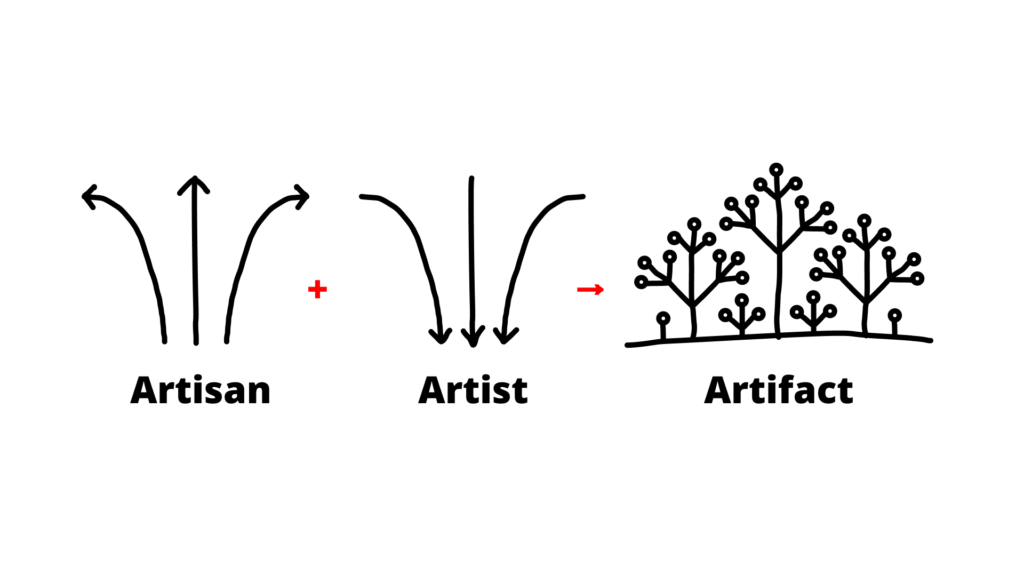
By alternating between the Artisan and Artist mindsets, our thinking evolves into a more differentiated and integrated system.
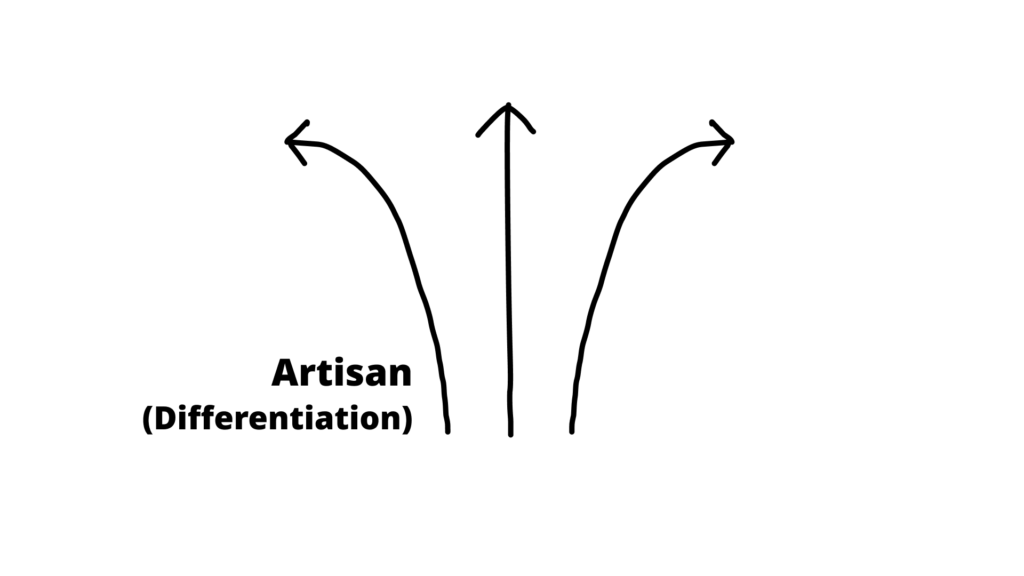
To develop differentiation, we must become an Artisan;
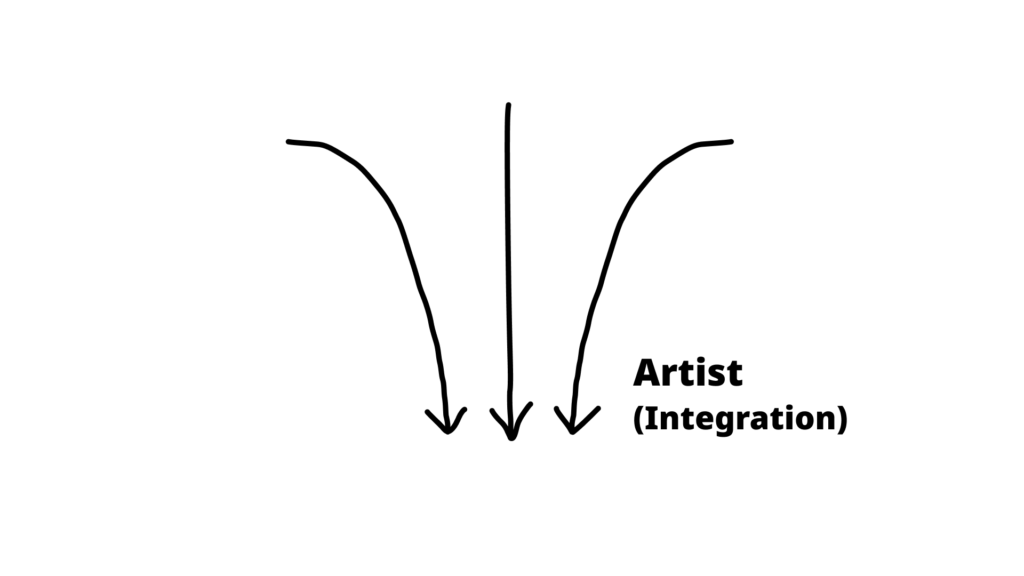
to develop integration, we must become an Artist.
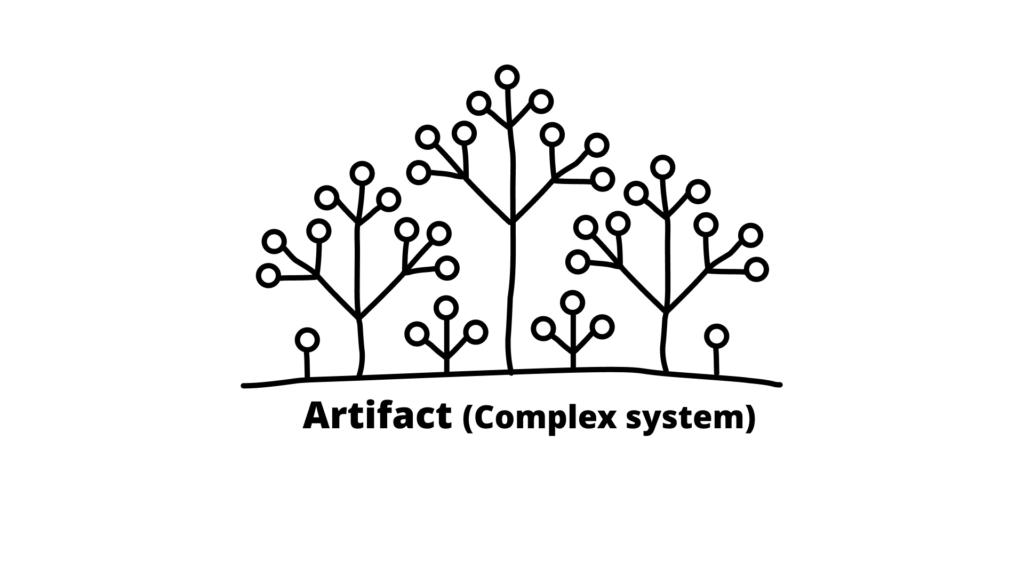
A highly intricate system like this is referred to as a “complex system.”
The reason complex systems are important is that higher complexity leads to a greater potential for evolution.
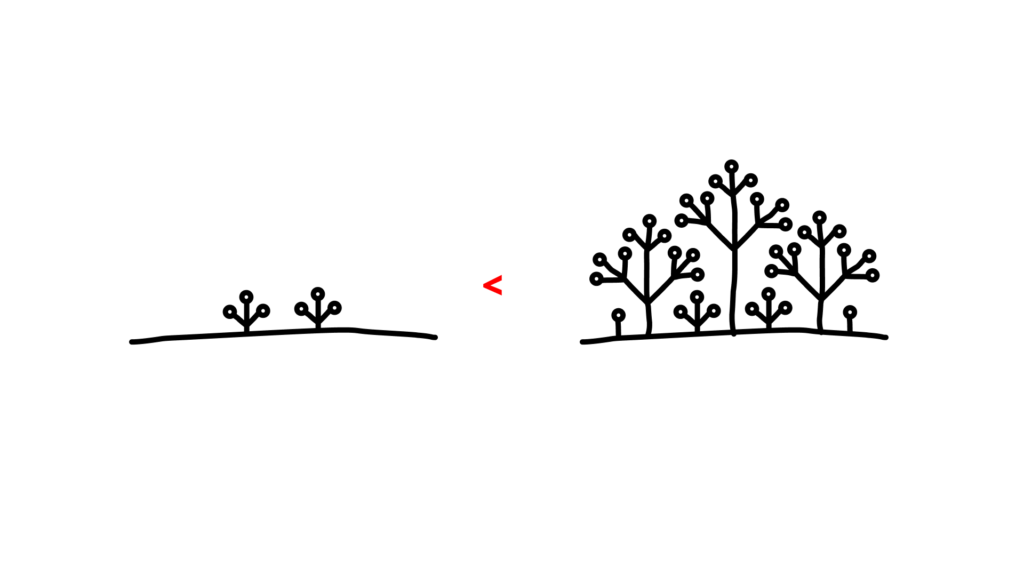
A more complex system can respond in more diverse and harmonious ways within a changing environment.
In other words, to solve complex problems, we must nurture our tree of knowledge until it becomes sufficiently complex.
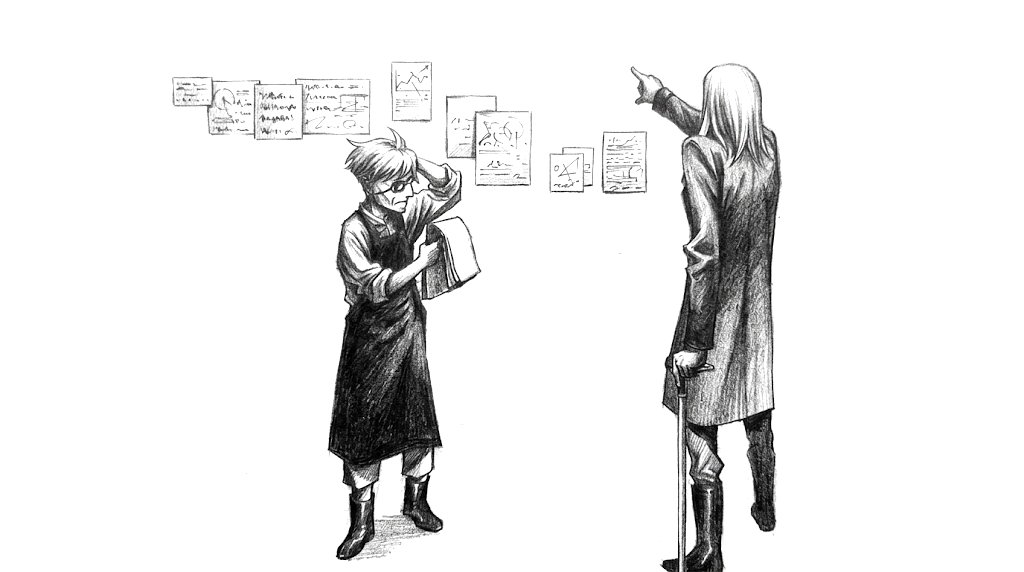
Then, what must we do to become an Artisan or an Artist?
1. Artisan
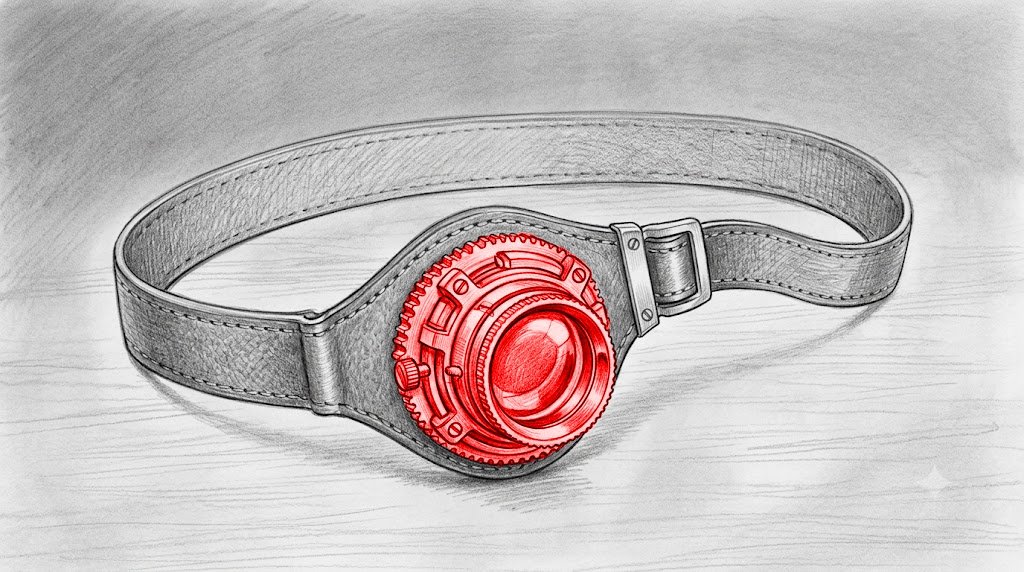
An Artisan’s perspective is like a loupe.
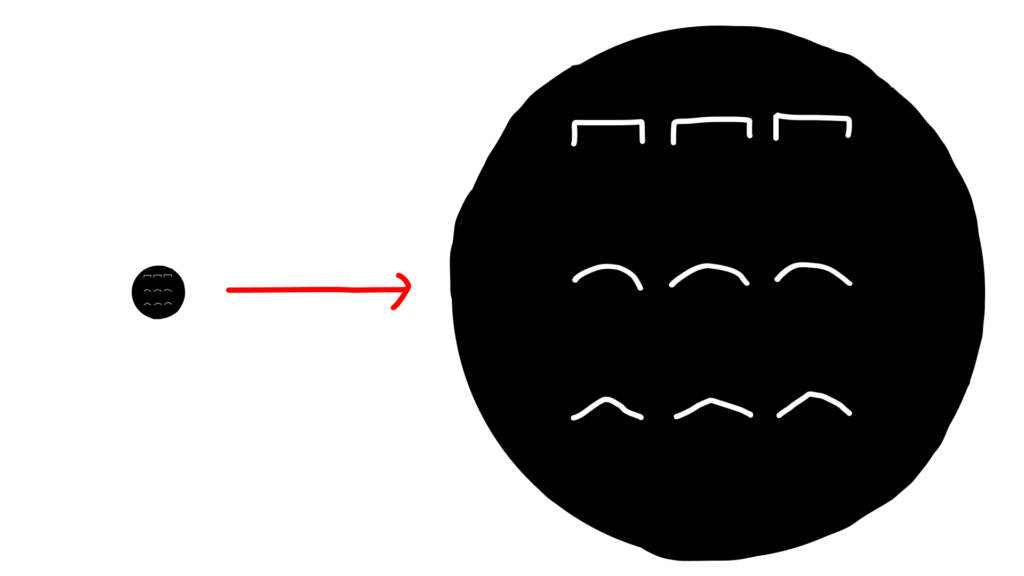
A loupe is a tool that magnifies and allows us to examine an object from a single perspective.
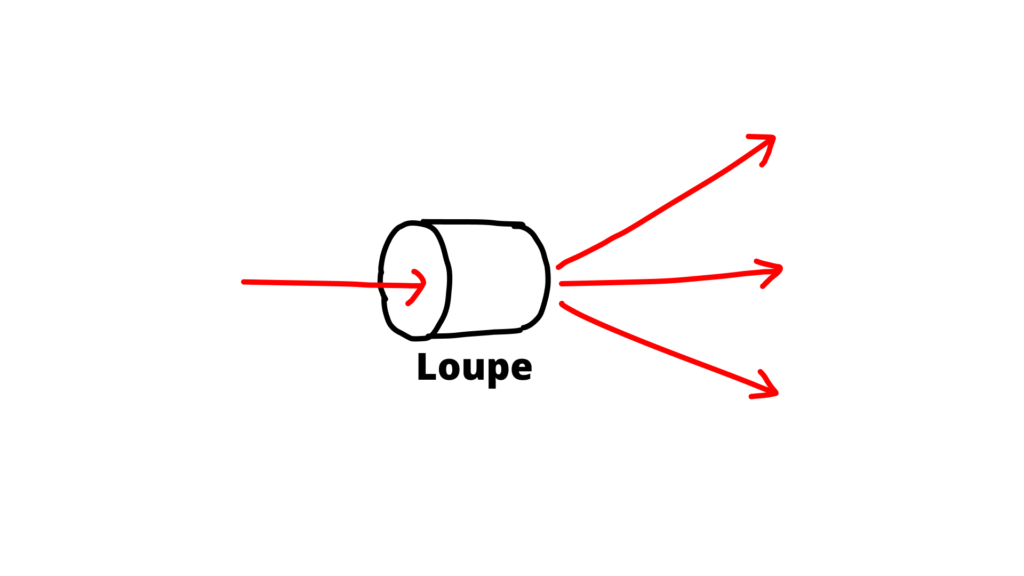
Through a convex lens, it magnifies the object, revealing increasingly fine distinctions.
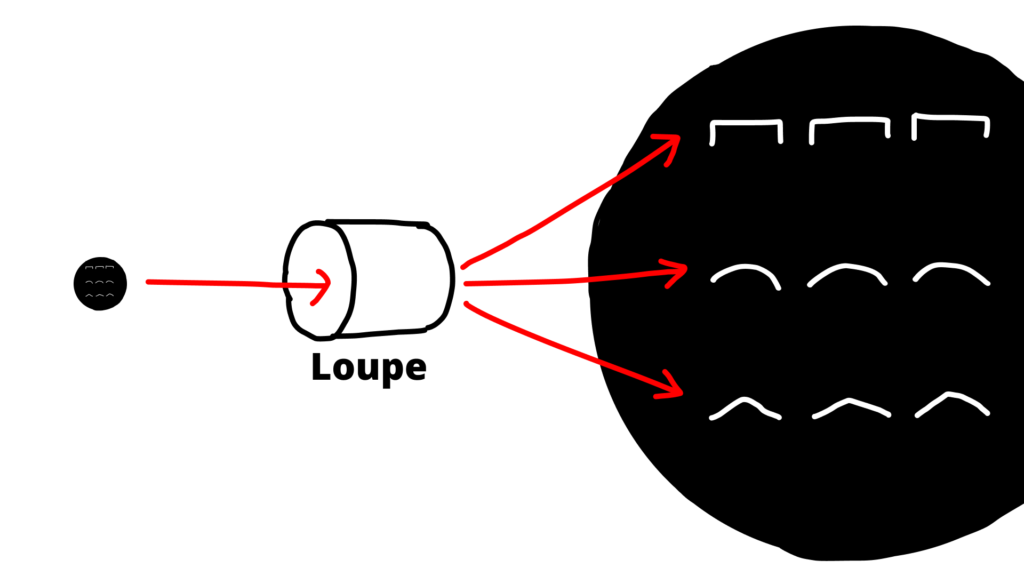
When you place your eye to a loupe made of a clear convex lens, you see a single object through the lens.
The object is magnified and broken down through the lens, vividly highlighting the differences between its individual parts.
Therefore, to use a loupe effectively, one must know how to achieve precise focus.

Depending on the observer’s perspective
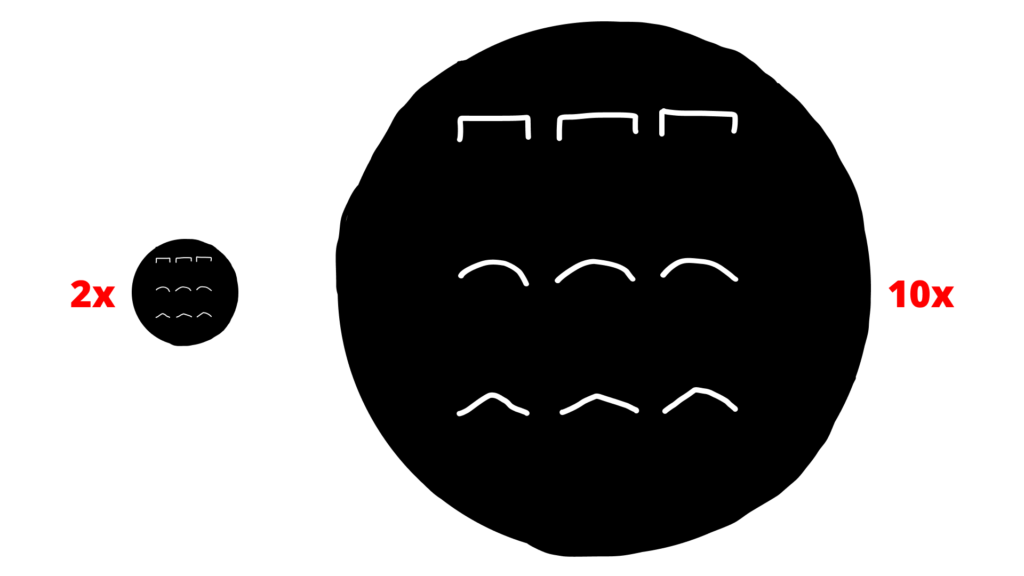
—what aspect of the object they choose to examine and what magnification they use—their focus naturally shifts.
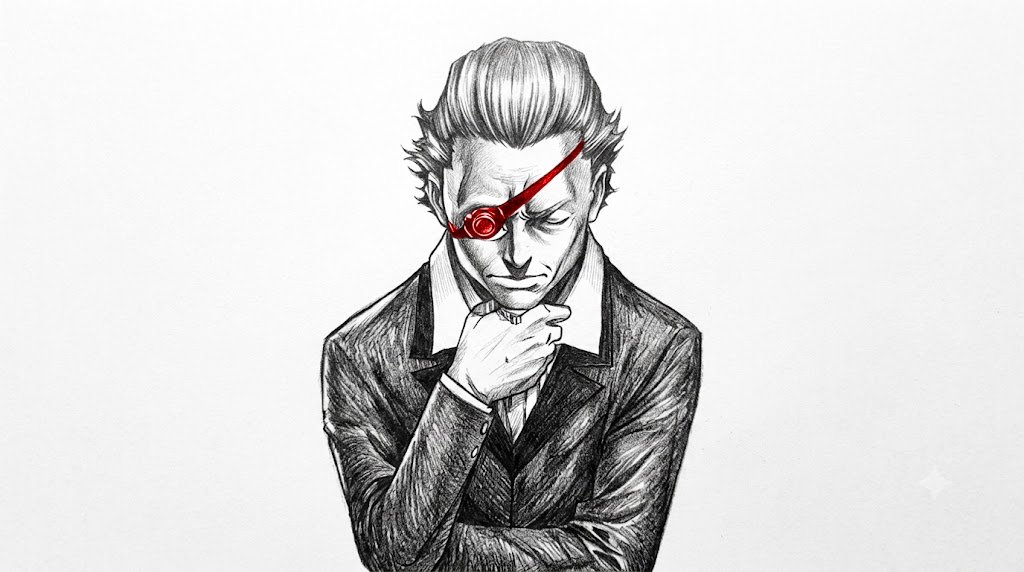
An Artisan’s ability stems from having an eye for distinctions.
To sharpen this eye for distinctions, we must develop a deep understanding of knowledge all the way down to the level of sub-domains.
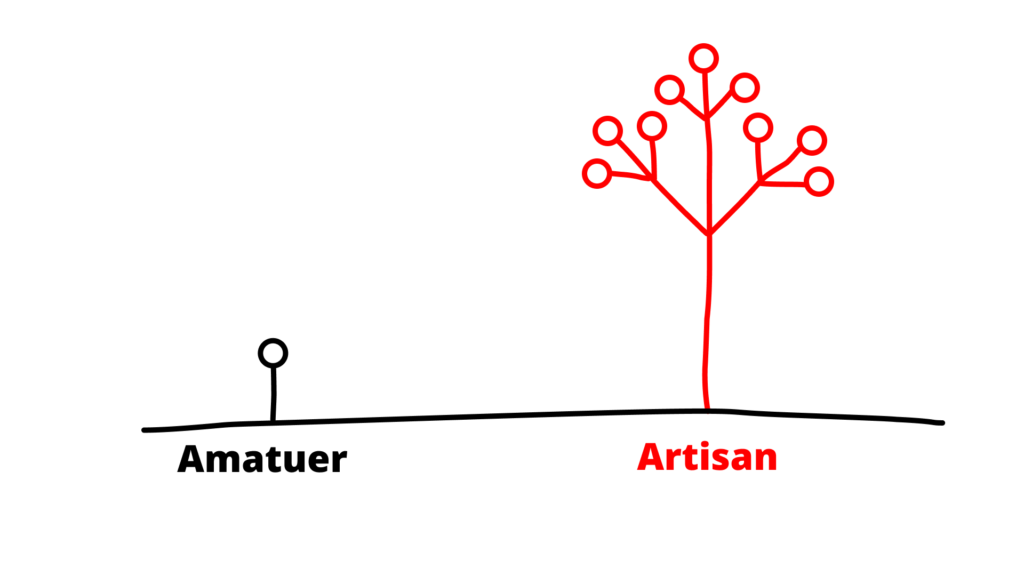
In short, to become an Artisan, one must nurture their tree of knowledge more deeply than others.
As we accumulate more detailed criteria for evaluating the world, it becomes much easier to break a single object down into finer distinctions.
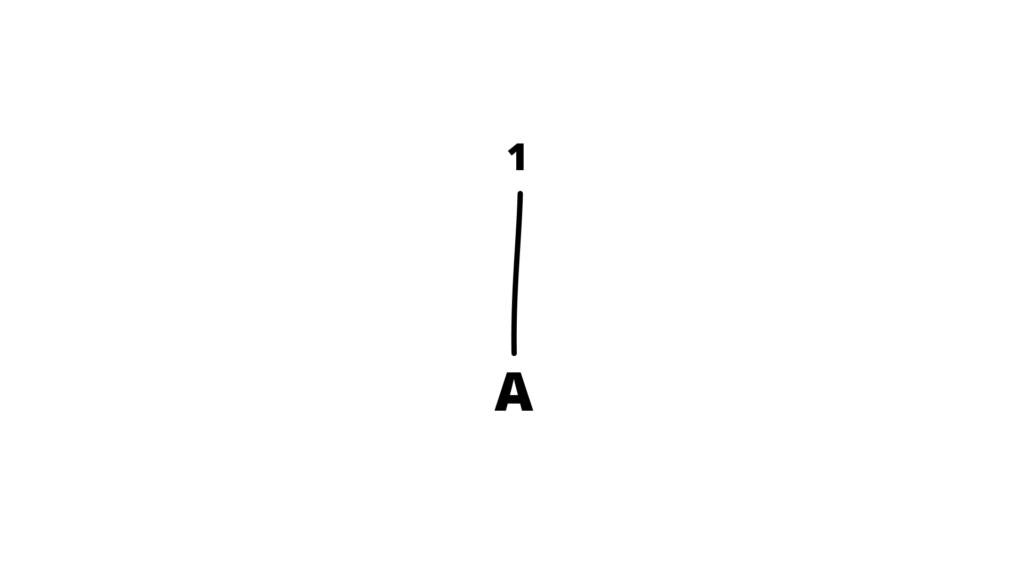
Differentiation breaks down what once appeared
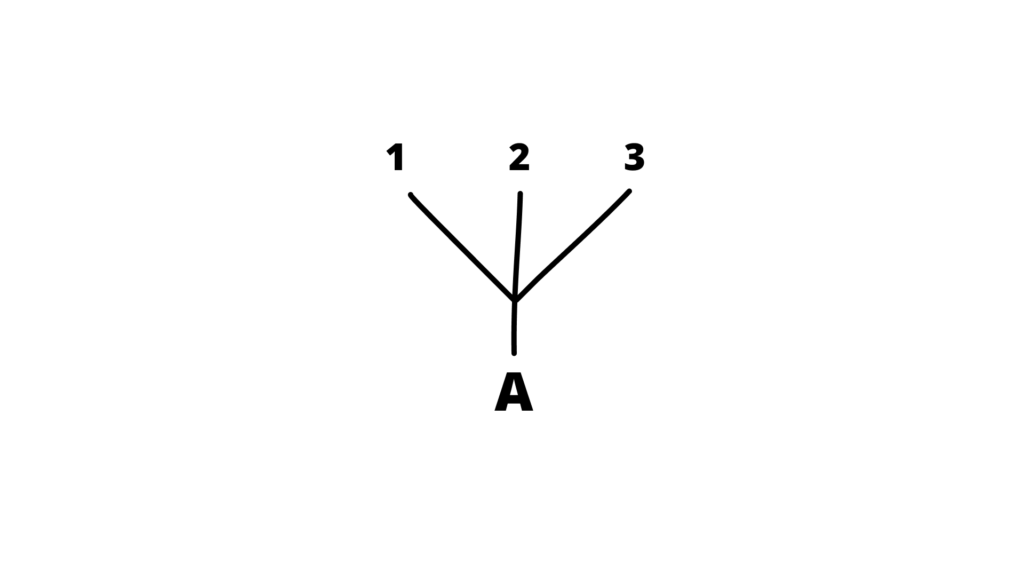
to be a single phenomenon into many finer distinctions.
Through this eye for distinctions, an Artisan analyzes a phenomenon in detail from a single perspective.
So, what exactly is the benefit gained through differentiation?
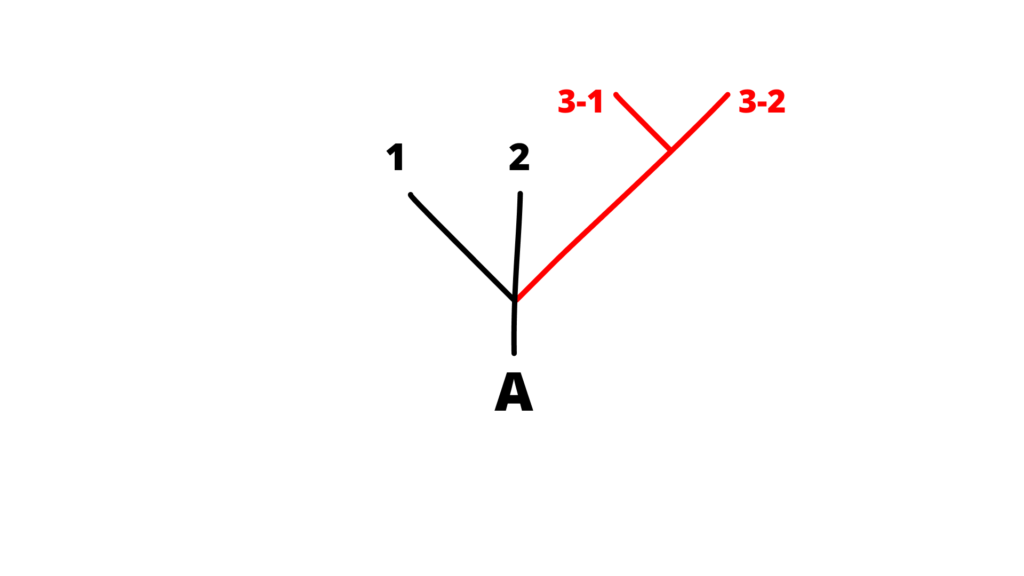
It allows each part to become specialized.
By selecting and focusing on the areas that require attention, it becomes much easier to develop specialized functions for solving a problem.
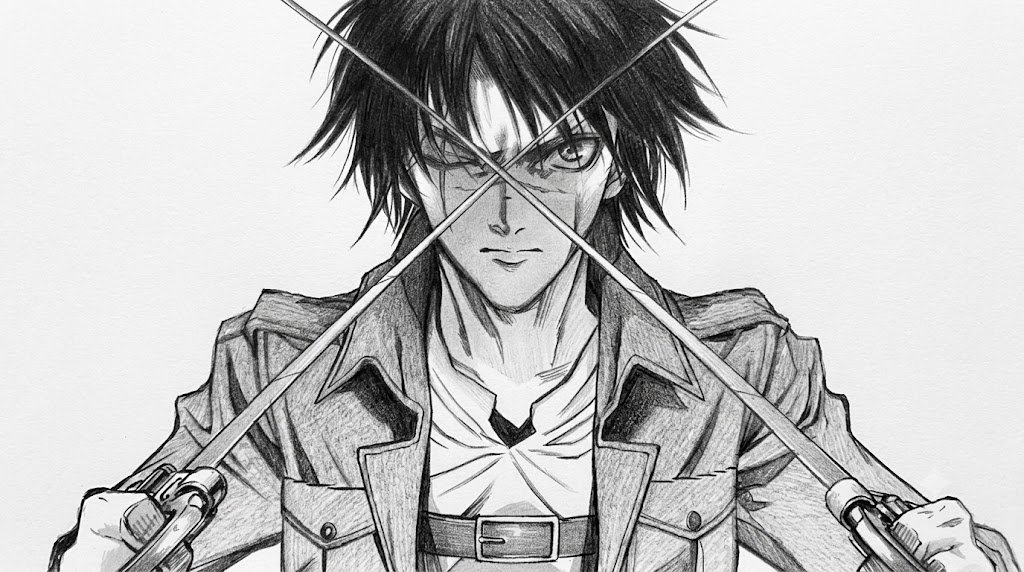
The development of the Snap Blades for the Omni-directional Mobility Gear clearly demonstrates the Artisan approach to problem-solving.
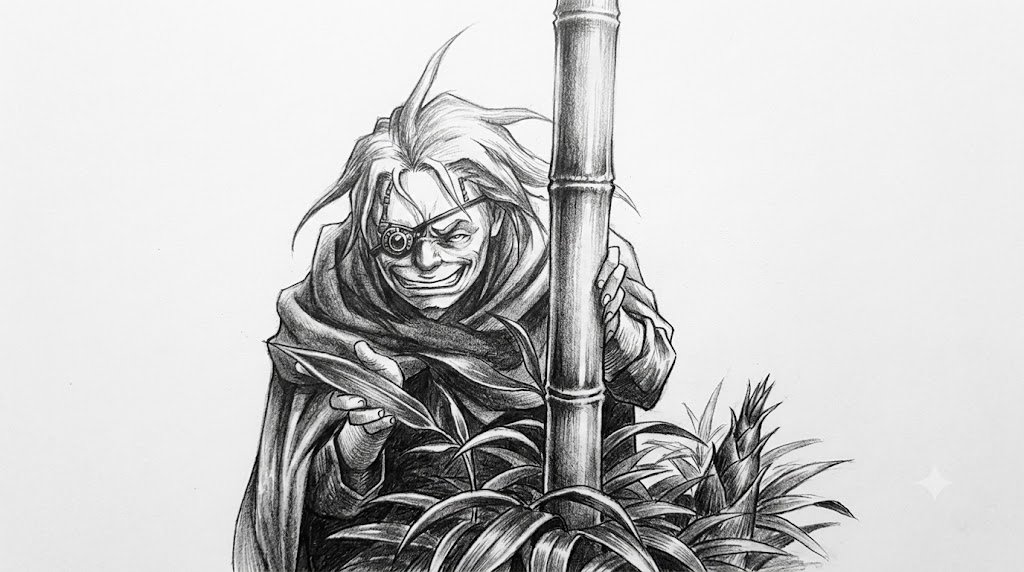
Attack on Titan: Before the Fall features Xenophon, the craftsman who created the Iron Bamboo sword.
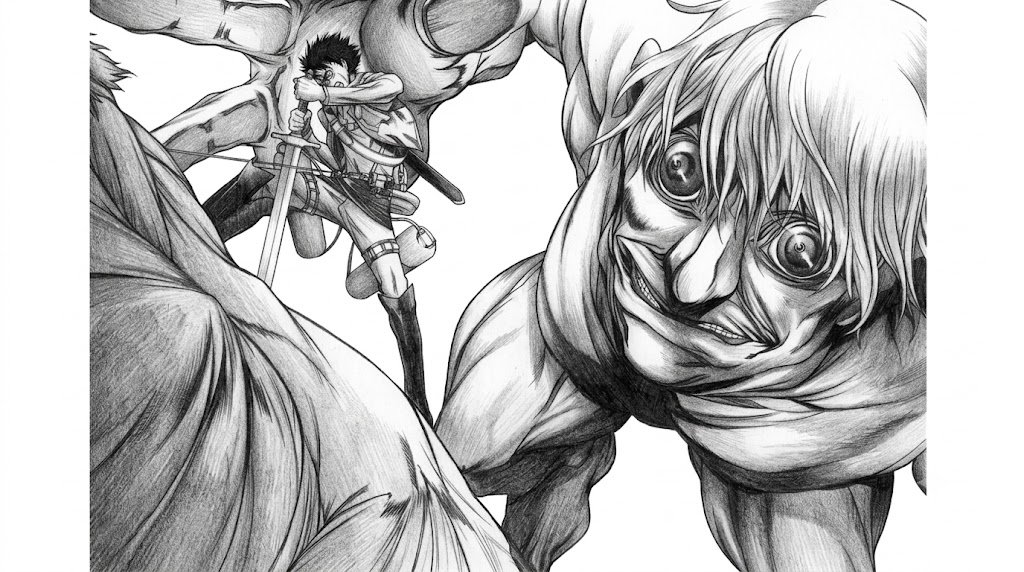
While regular swords could not wound the Titans, the Iron Bamboo sword was able to do so.
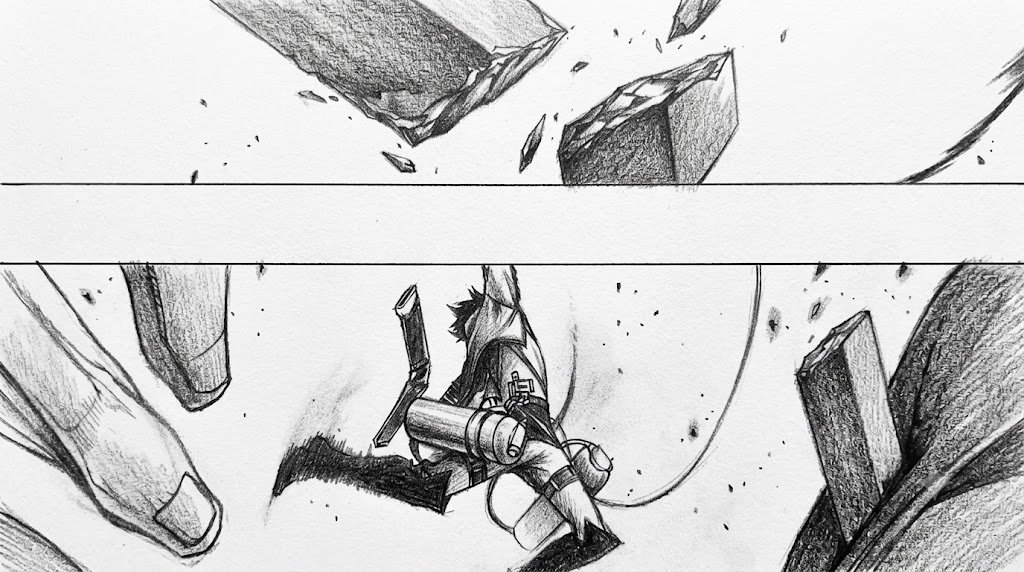
However, even the Iron Bamboo sword broke in battle against the Titans.
An ordinary person might simply think, “The sword broke because it wasn’t strong enough,” but as an Artisan, Xenophon breaks the problem down into finer distinctions.
Xenophon condenses the critical elements of a sword into three aspects: first, strength; second, flexibility; and third, sharpness.
He believed that to solve the problem, he needed to focus on the second and third elements—flexibility and sharpness—rather than the first element, strength.
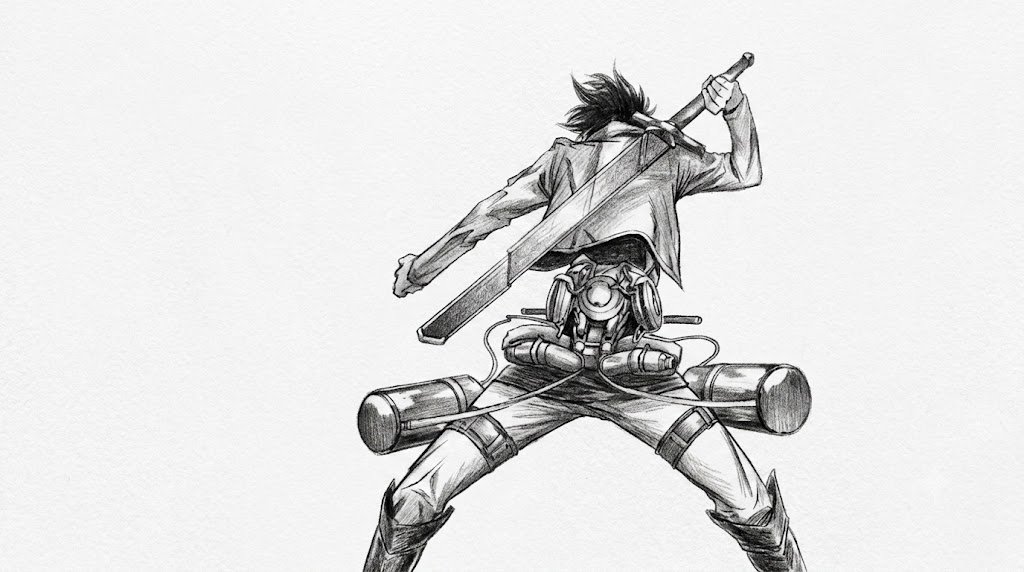
This was because the Iron Bamboo sword itself was the very solution Xenophon had created by focusing on that first element, strength.
He could have made the sword thicker and stronger by focusing on strength once again, but that would make it heavy.
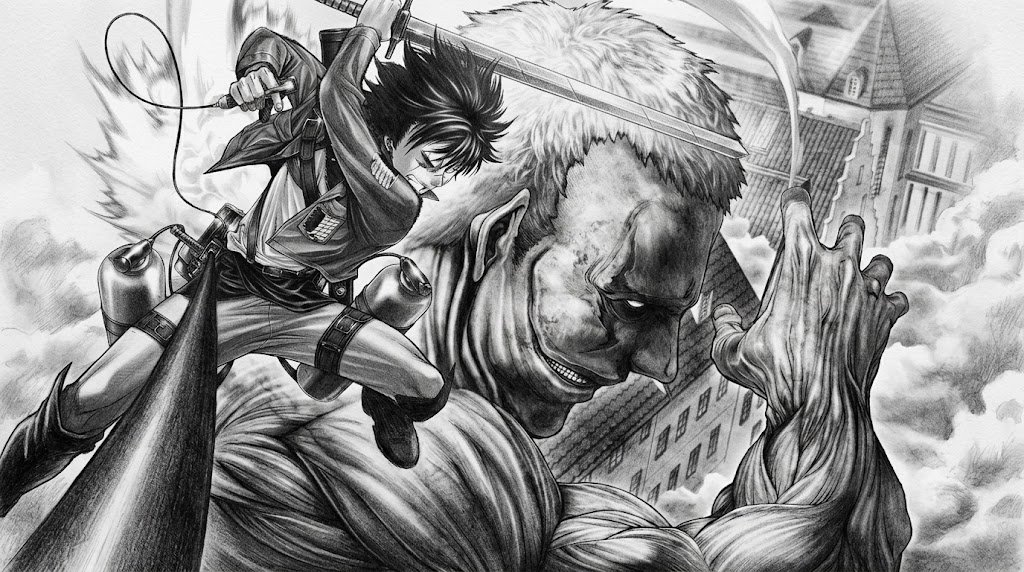
If it became heavy, the maneuverability, which is the very essence of the Omni-directional Mobility Gear, would be compromised.
Therefore, rather than focusing on the first element of strength again, Xenophon redesigned the sword by shifting his focus to the second and third elements: flexibility and sharpness.
The solution that emerged from this process was the Snap Blades.
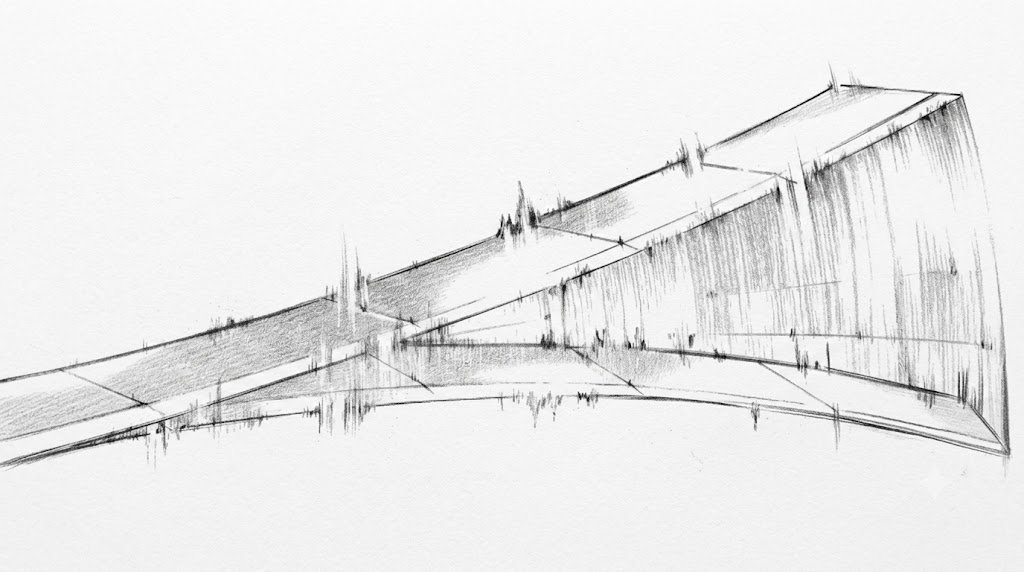
As you can see, rather than being a rigid sword, it is a lightweight blade that bends smoothly.
Although thin, it is sharp, made by refining metal from Iron Bamboo and adding various rare metals.
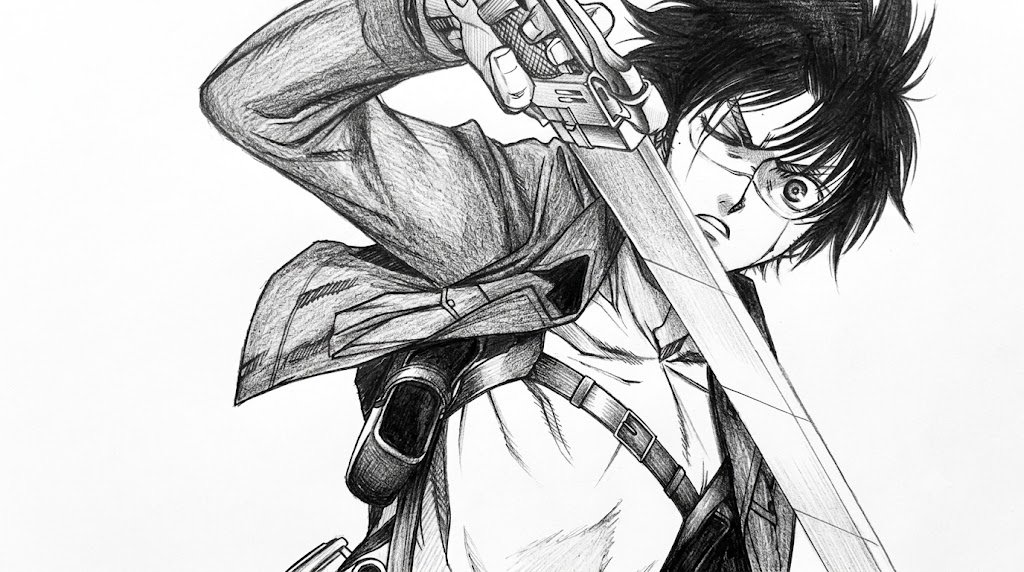
Of course, while it looks sharp, it also seems as if it would easily break.
Then, how did Xenophon solve this remaining issue of strength?
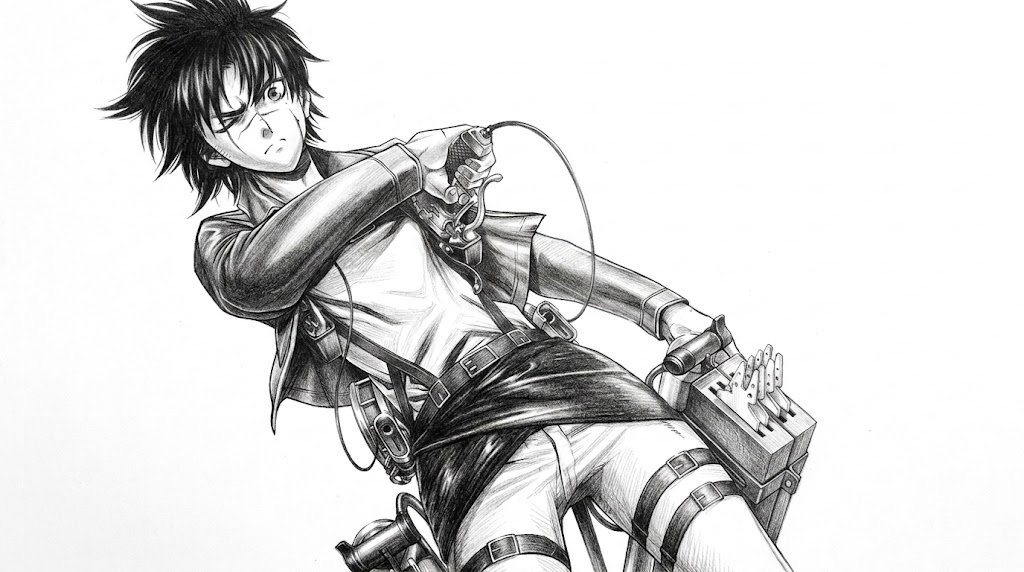
Xenophon did not even attempt to solve this problem.
This was because it would not be an issue as long as the sword was easy to replace when it broke.
Xenophon refined the system by designing scabbards worn on the hips that could hold multiple thin blades.
This allowed them to be easily replaced even if a blade broke.
In this way, because Xenophon was able to break the problem down through his eye for distinctions, he could decide what to focus on and prioritize.
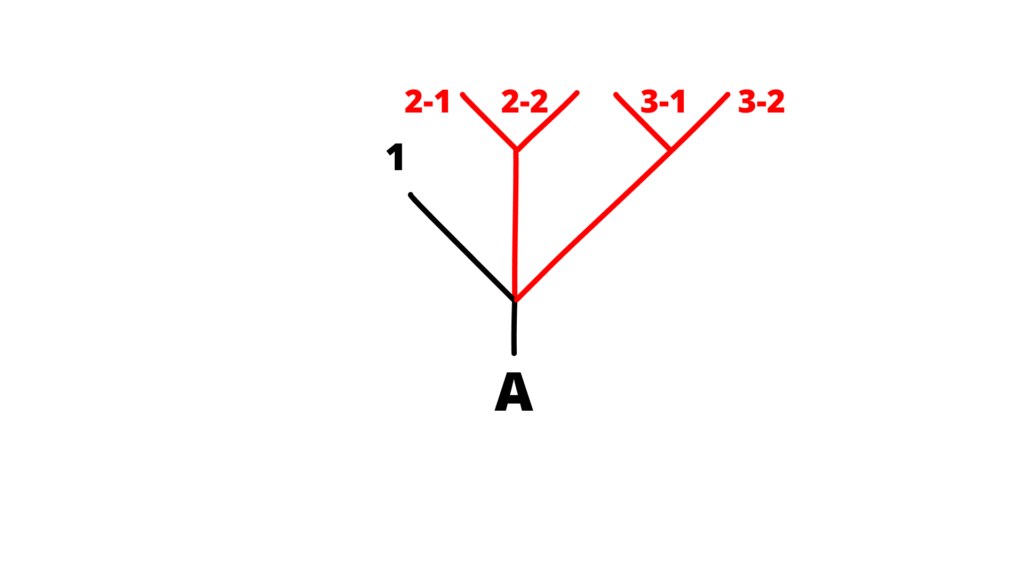
He decided how to allocate his limited attention and which functions to specialize.
The development of the Snap Blades clearly demonstrates the Artisan approach to problem-solving.
However, this raises a question.
If an Artisan excels at seeing distinctions, what does an Artist excel at?
2. Artist
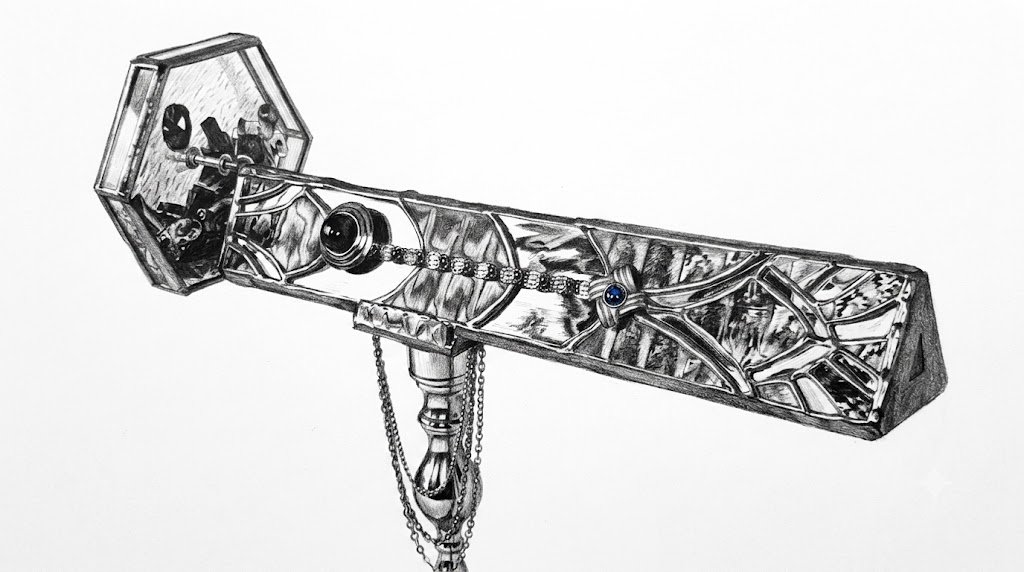
An Artist’s perspective is like a kaleidoscope.
A kaleidoscope creates a unified pattern by combining multiple reflections.
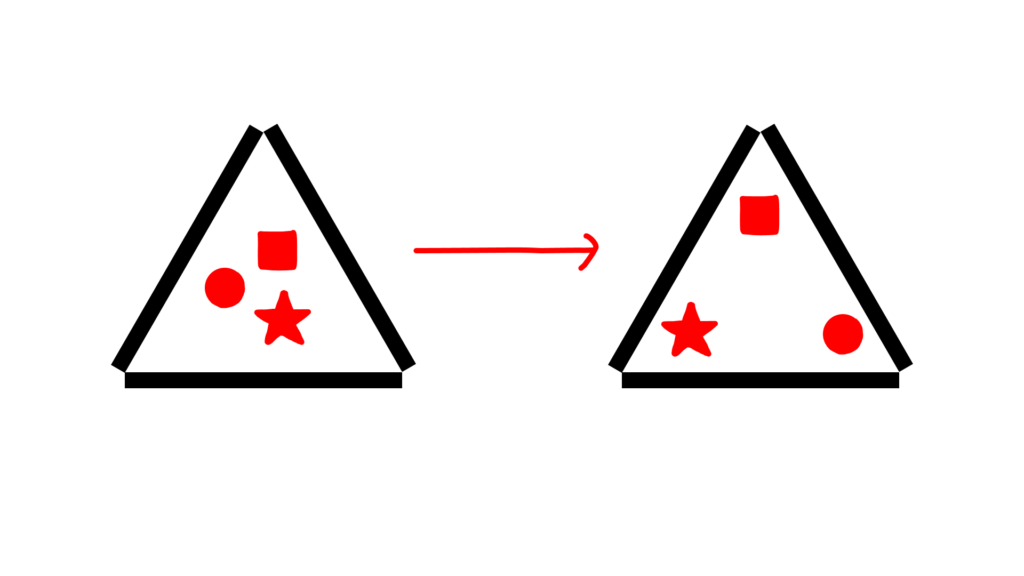
When you look through the opening of a kaleidoscope built around a triangular arrangement of mirrors, you see the fragments at the opposite end.
These fragments are continuously reflected and connected within the mirrors, becoming a vibrant new whole.
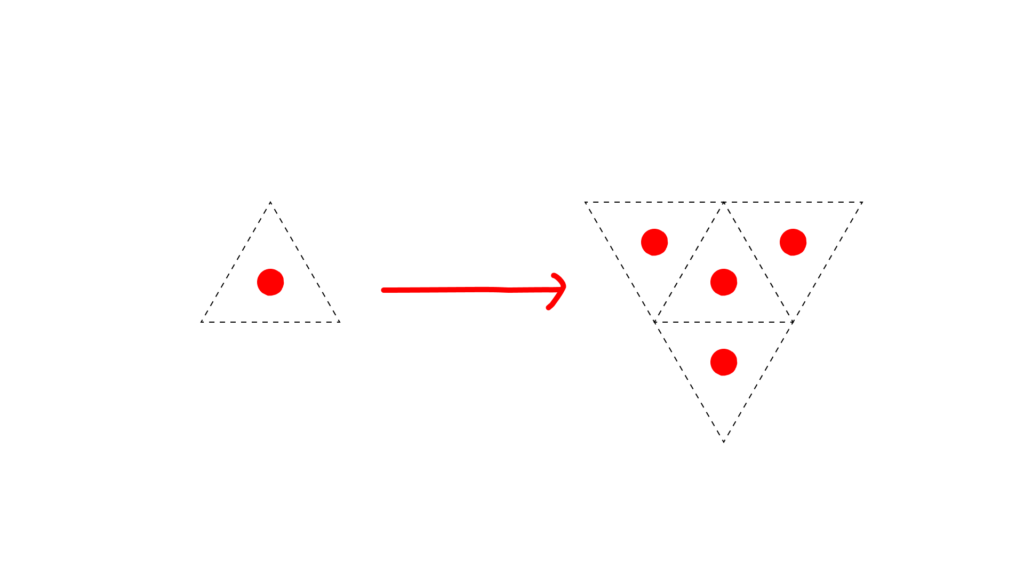
A kaleidoscope integrates images through its mirrors.
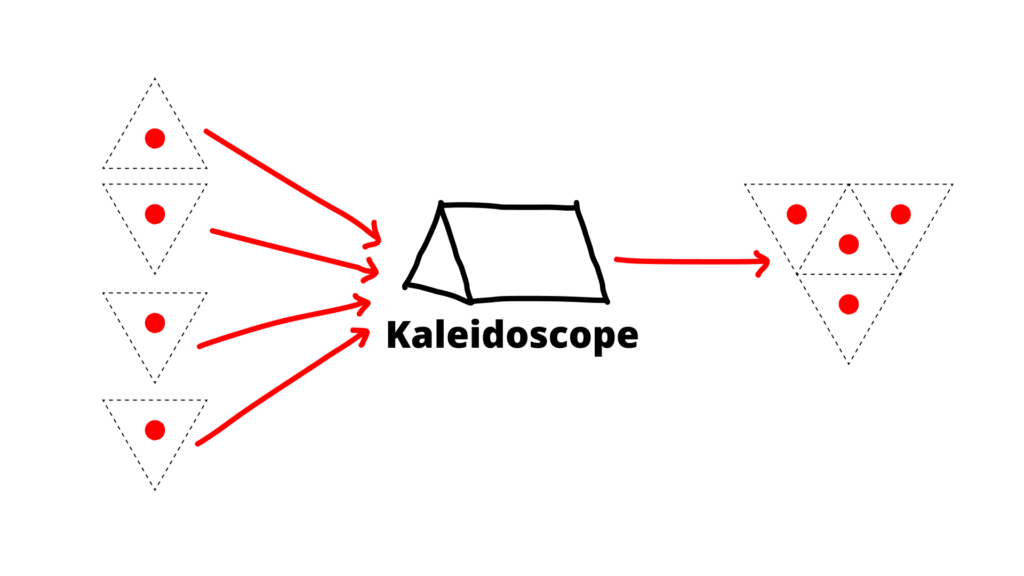
Looking into a kaleidoscope lined with mirrors, you see not only the object itself but also its reflections from many different angles.
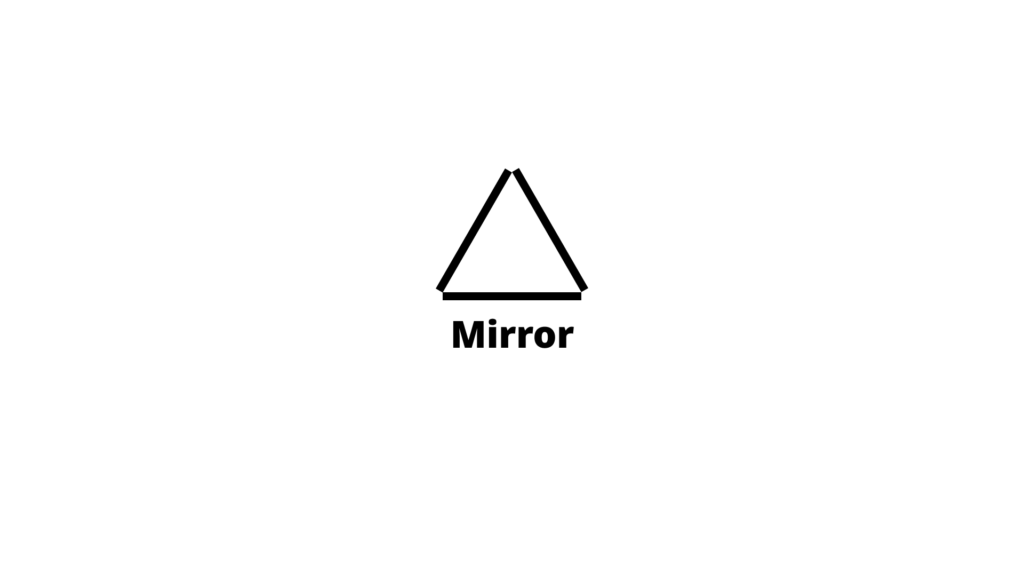
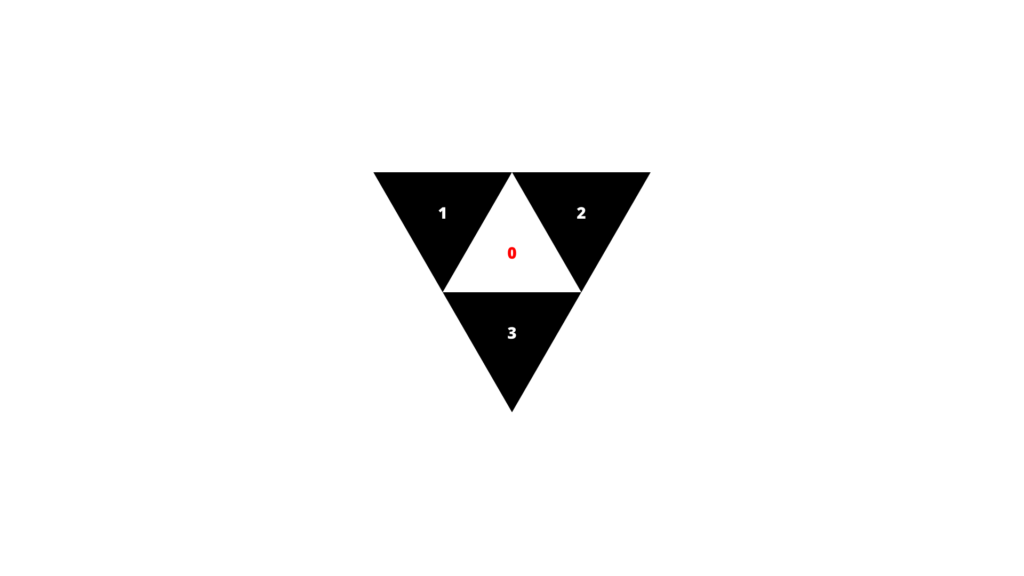
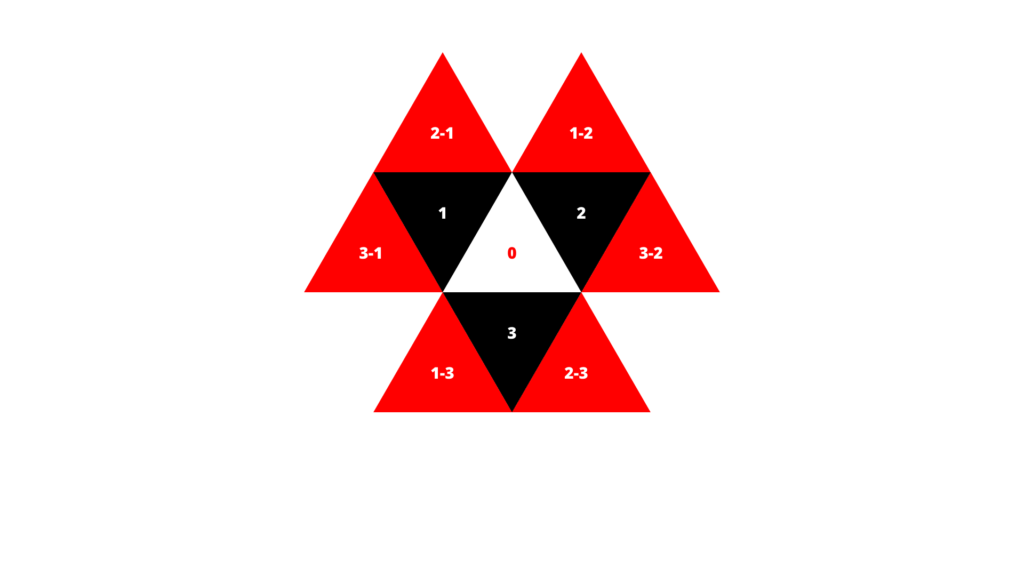
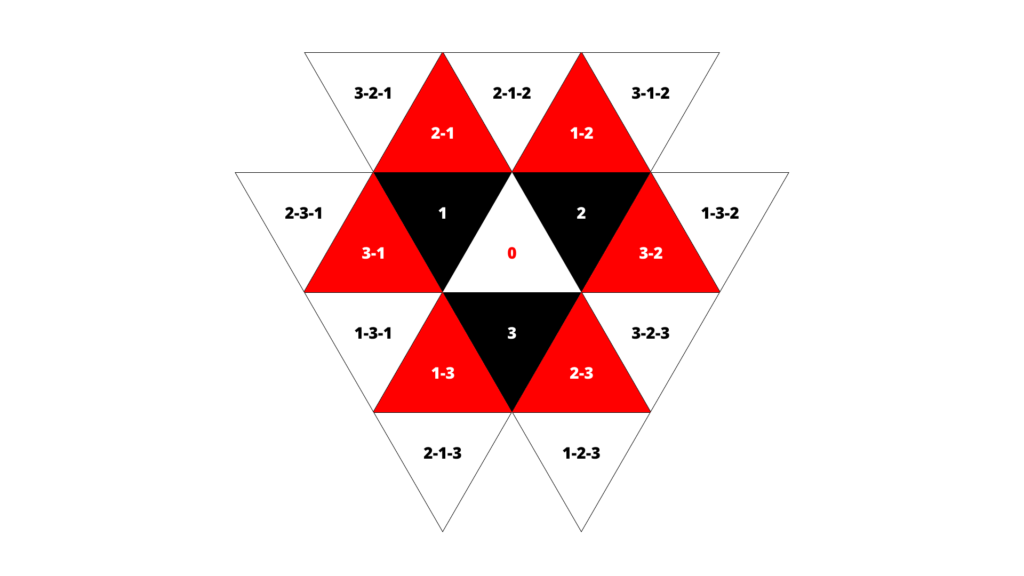
Furthermore, the reflections overlap far beyond double or triple layers, causing the patterns to become unpredictably complex.
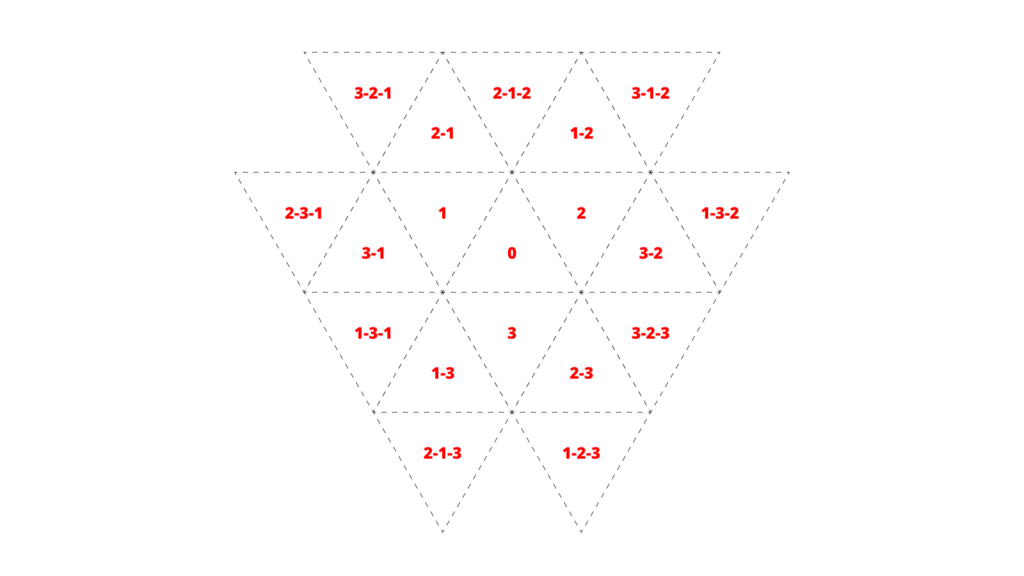
As the object is reflected and integrated through the mirrors, its separate parts are seamlessly woven together into a new whole.
Therefore, to use a kaleidoscope effectively, one must know how to create serendipitous connections.
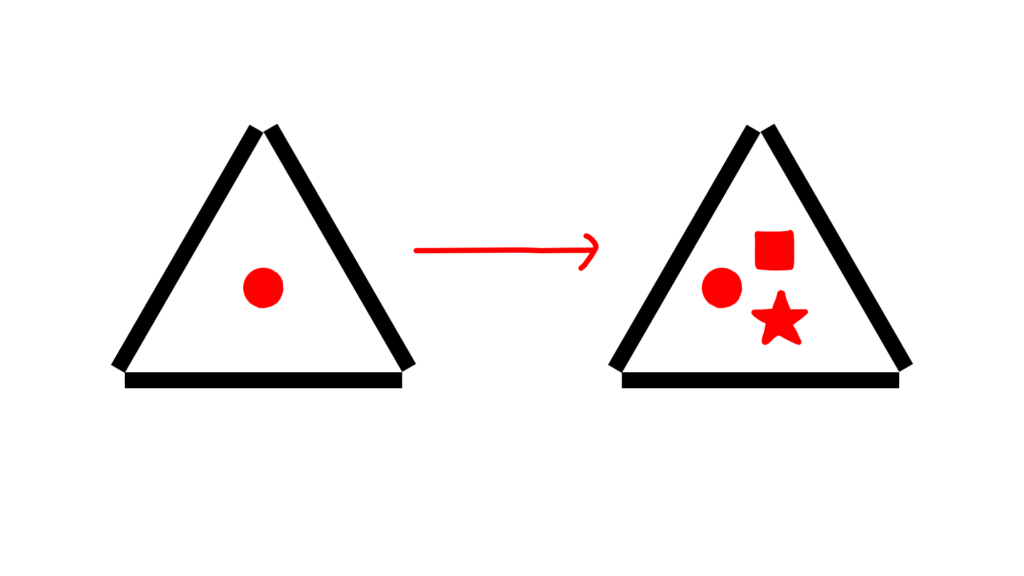
Depending on the observer’s perspective
—such as choosing which objects to place inside the kaleidoscope or how to arrange them—different unexpected combinations emerge.
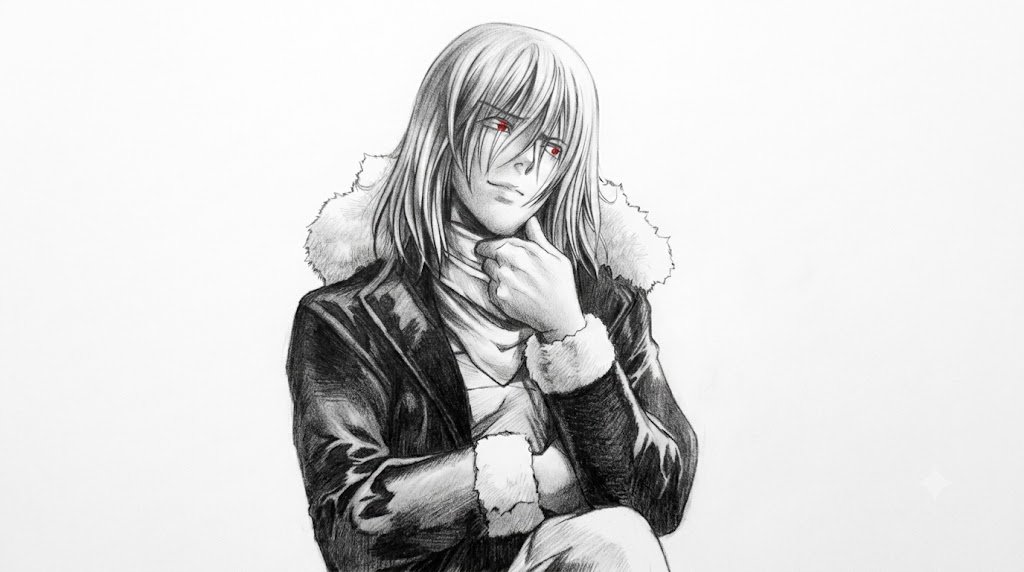
An Artist’s ability stems from having an eye for hidden connections.
To sharpen this eye for hidden connections, we must explore knowledge broadly across chess diverse domains.
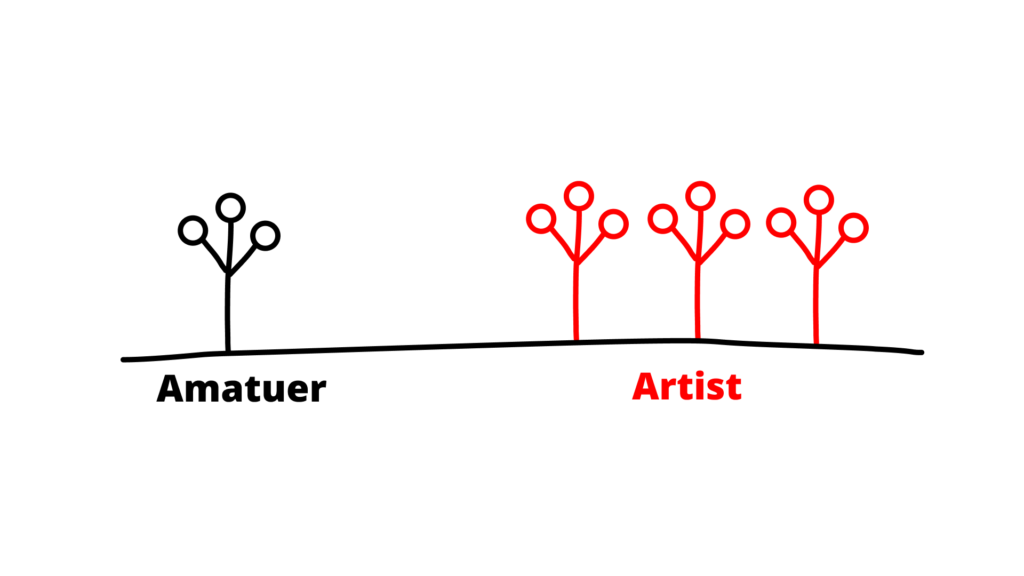
In short, to become an Artist, one must nurture their tree of knowledge more broadly than others.
When we have diverse criteria for evaluating the world, it becomes much easier to view an object from multiple perspectives and integrate them.
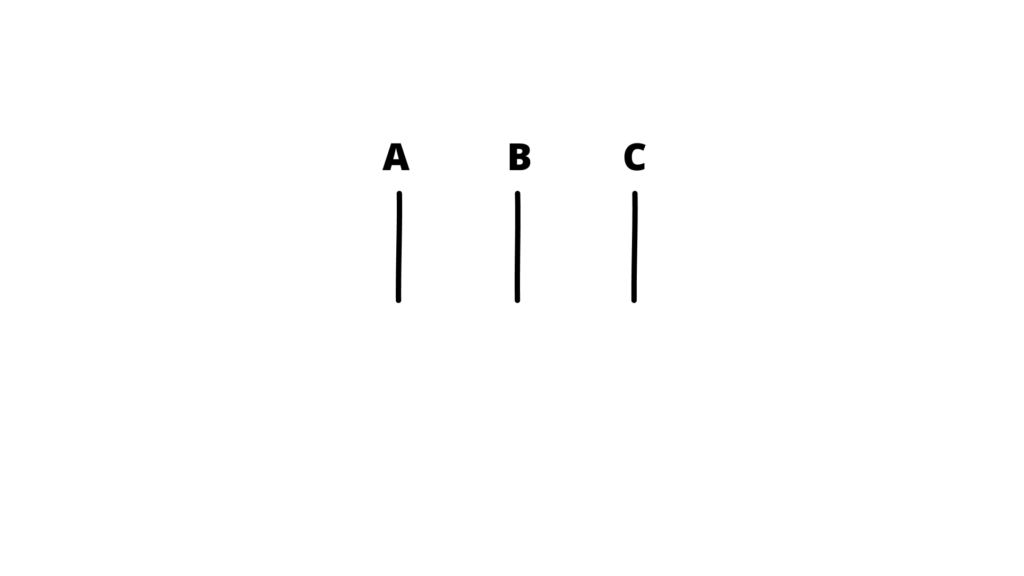
Integration combines phenomena once considered separate into a unified whole,
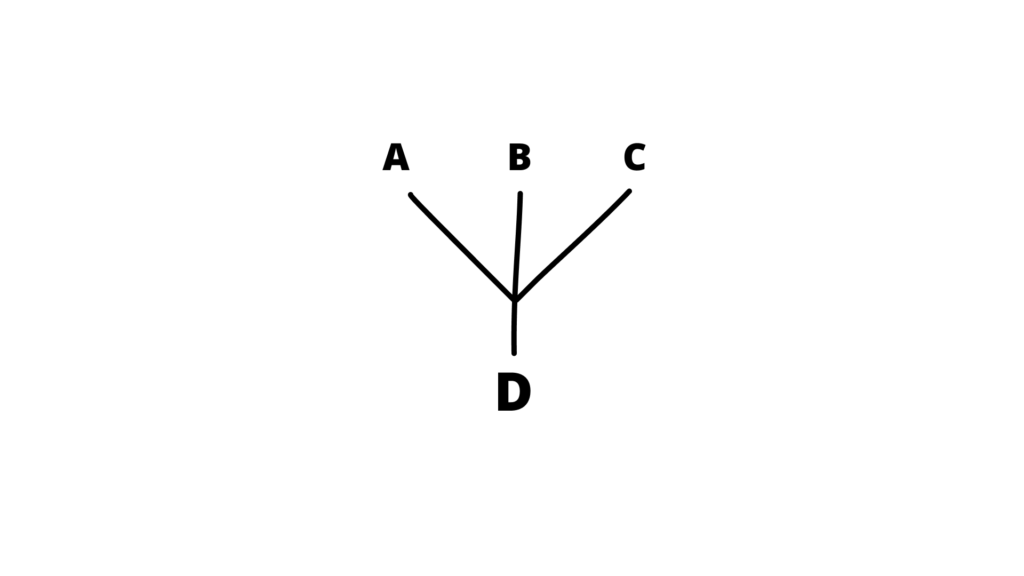
allowing them to work together toward a common goal.
Through this eye for hidden connections, an Artist weaves a phenomenon together from multiple perspectives.
So, what exactly is the benefit gained through integration?
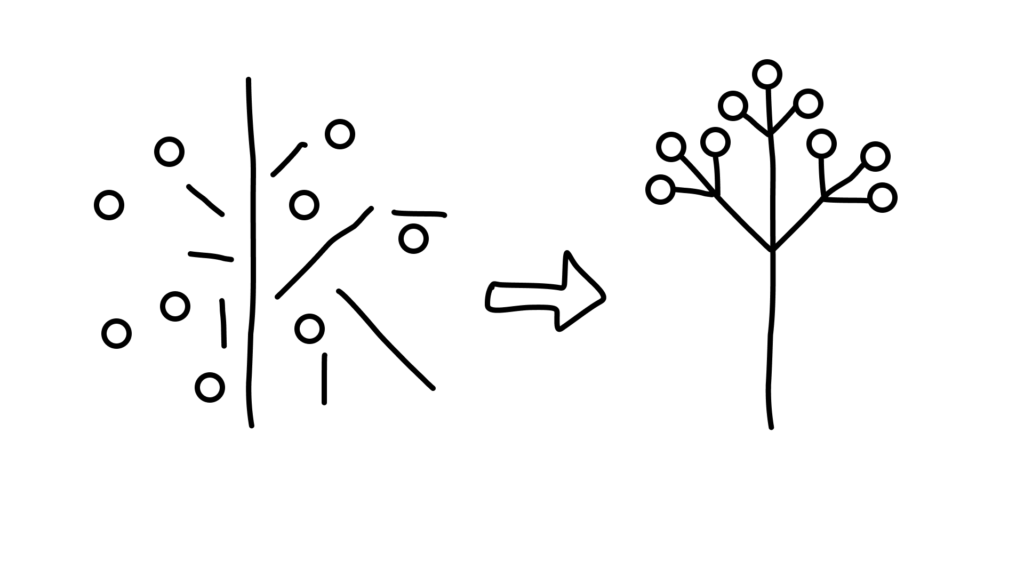
It allows us to create a new whole that is greater than the sum of its parts.
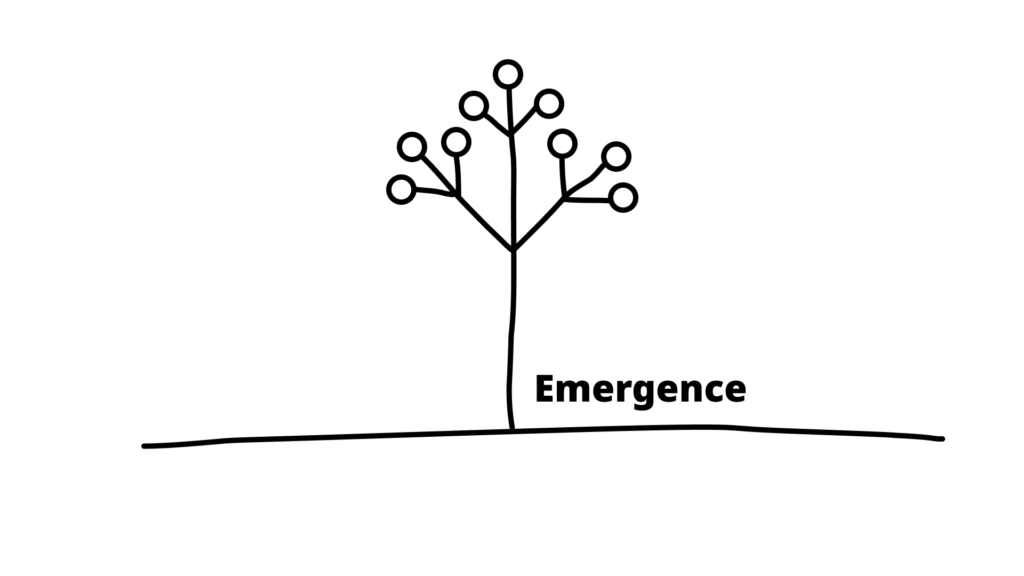
By creating meaningful connections between parts that could not previously communicate, we allow new, higher-level functions to emerge—functions that were impossible for the individual parts alone.
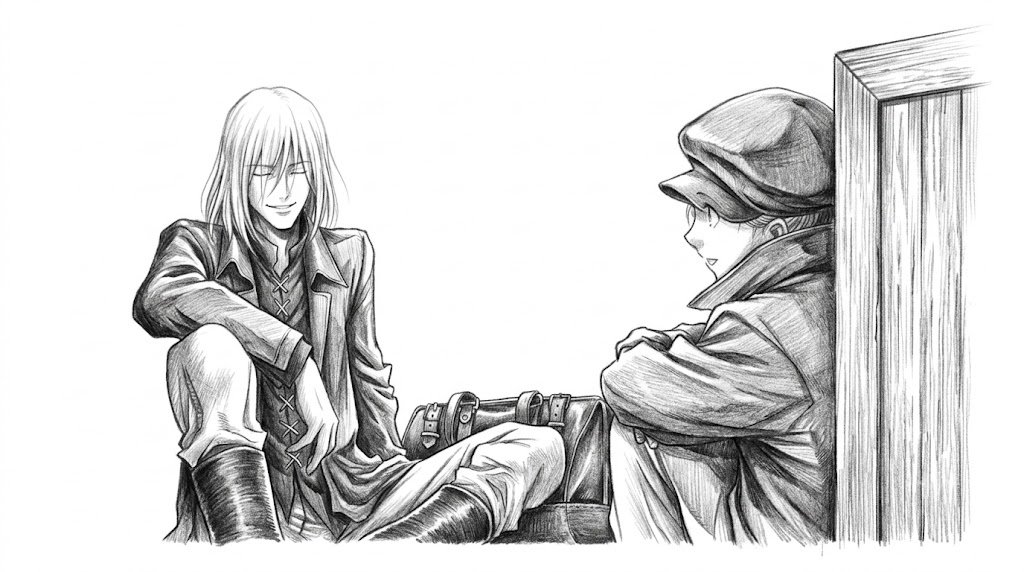
The conversation between Angel and Sharle during their discussion on improving the new device clearly demonstrates the Artist approach to problem-solving.
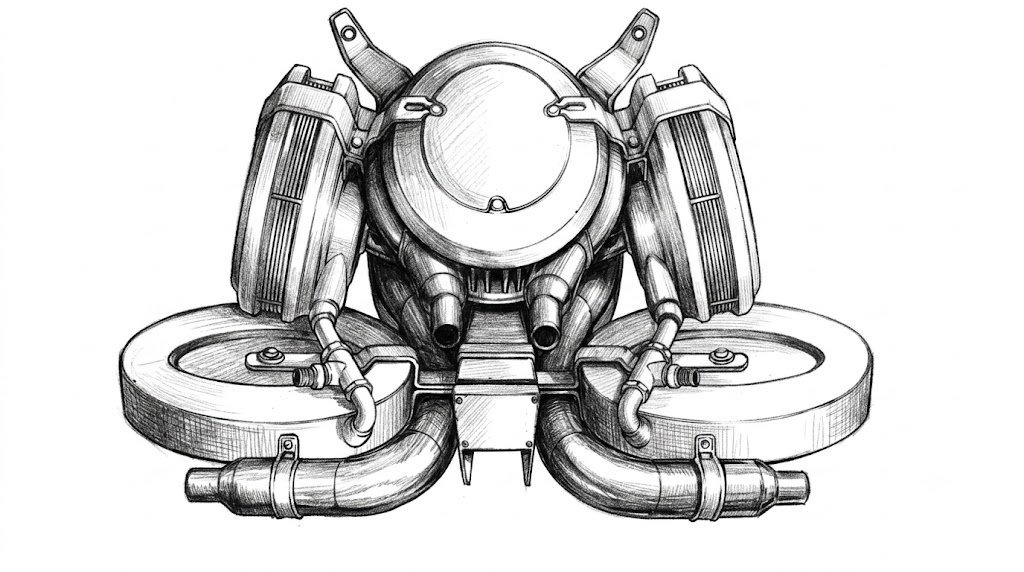
In Attack on Titan: Before the Fall, Angel and Sharle engaged in a heated debate regarding the problems of the new device, the predecessor to the Omni-directional Mobility Gear.
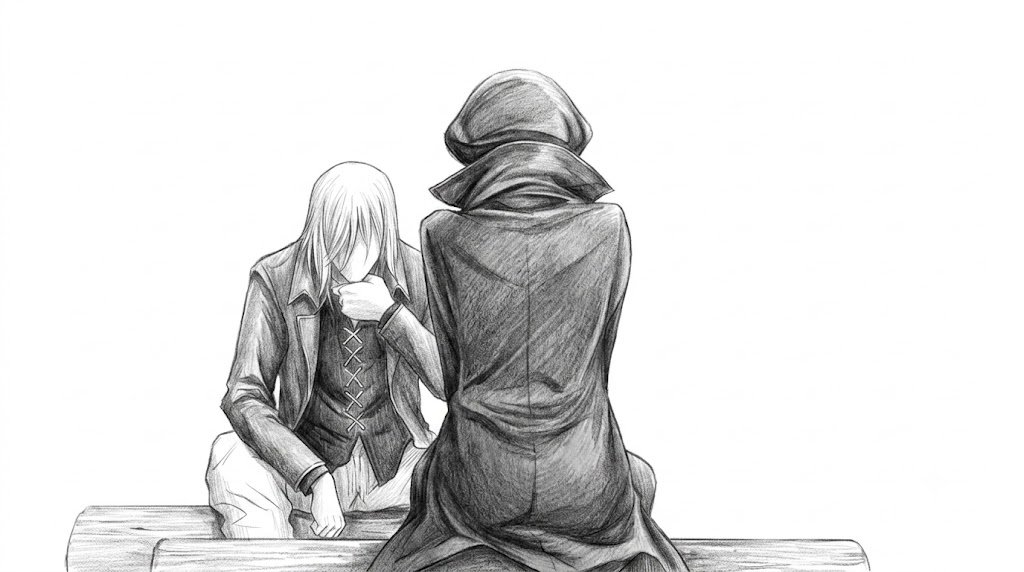
Angel asks Sharle, who was learning the craft under the artisan Xenophon, if she has any thoughts on what could be improved, welcoming any opinion.
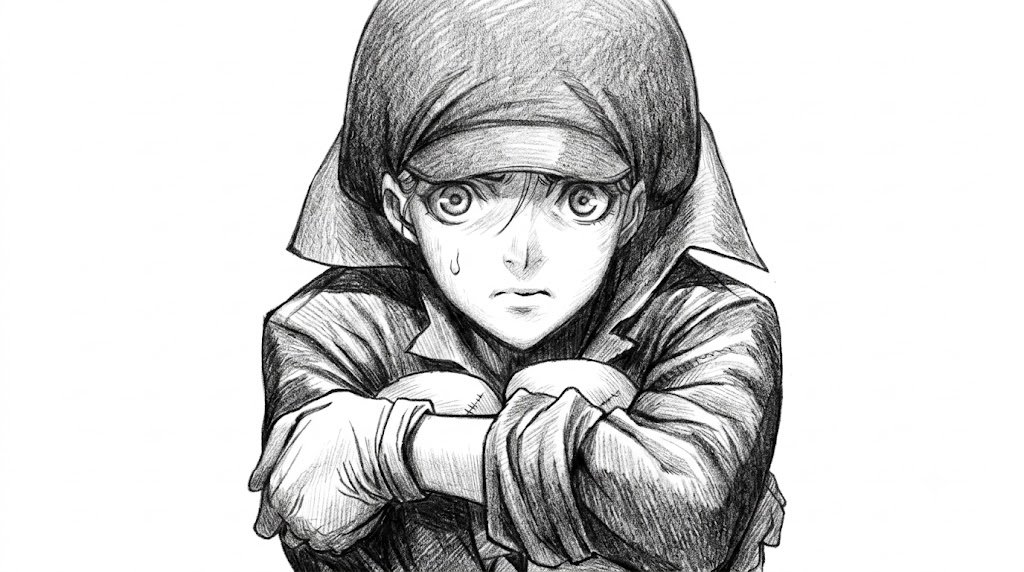
It was a situation where an expert with decades of experience was asking for the opinion of a layperson who had just begun learning the craft.
Yet, perhaps because of that very reason, Sharle offers a fresh perspective.
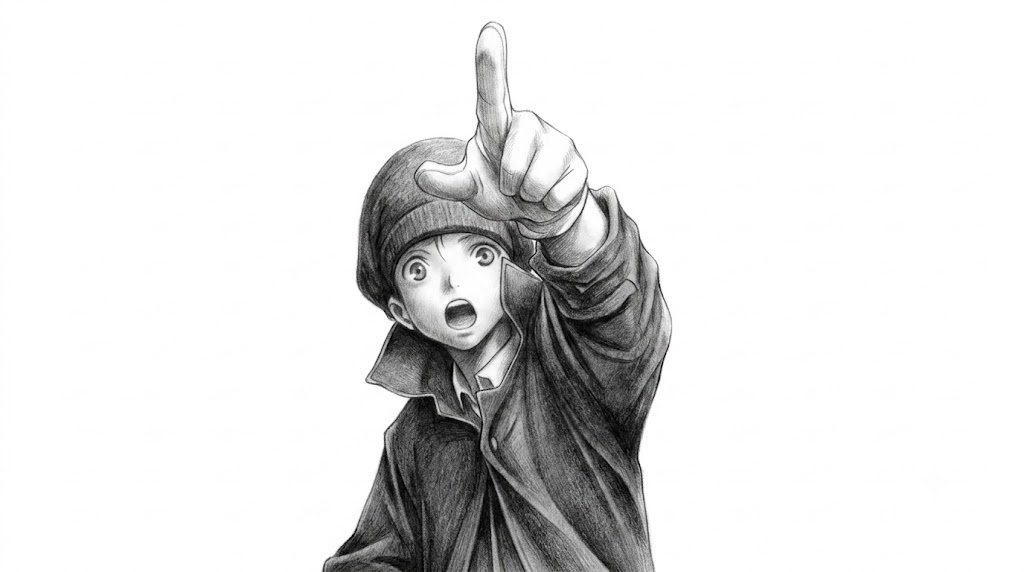
Sharle pointed to a person juggling nearby.
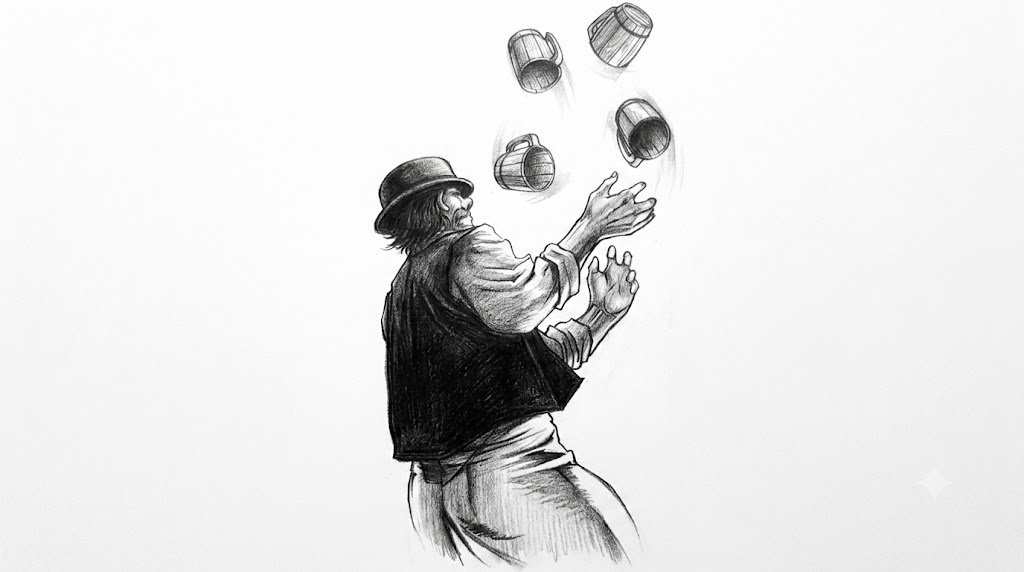
She suggested it would be much more convenient if the device were redesigned so the user could freely use both hands, just like that person.
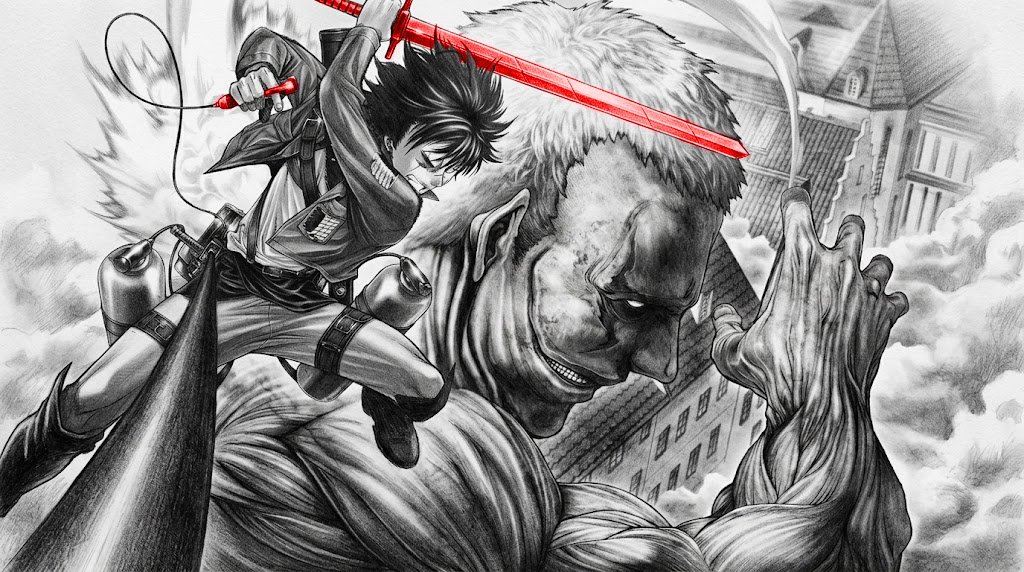
The reason Sharle said this was because, in the new model, the sword and the control levers were separate.
One hand had to hold the sword, while the other hand held the control lever.
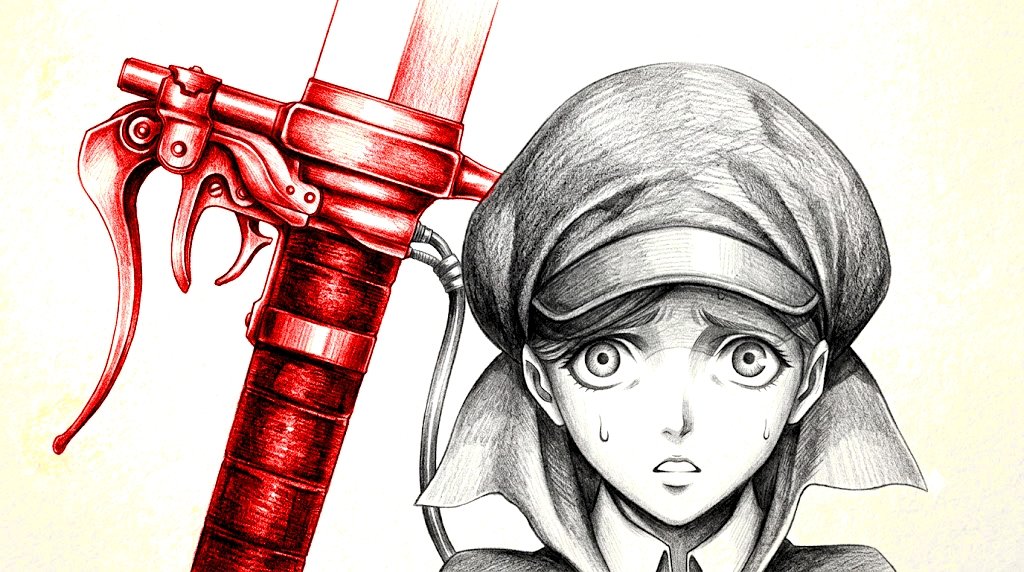
Instead, she asked why they couldn’t integrate the control grips directly into the sword handles so that both hands could remain on the swords.
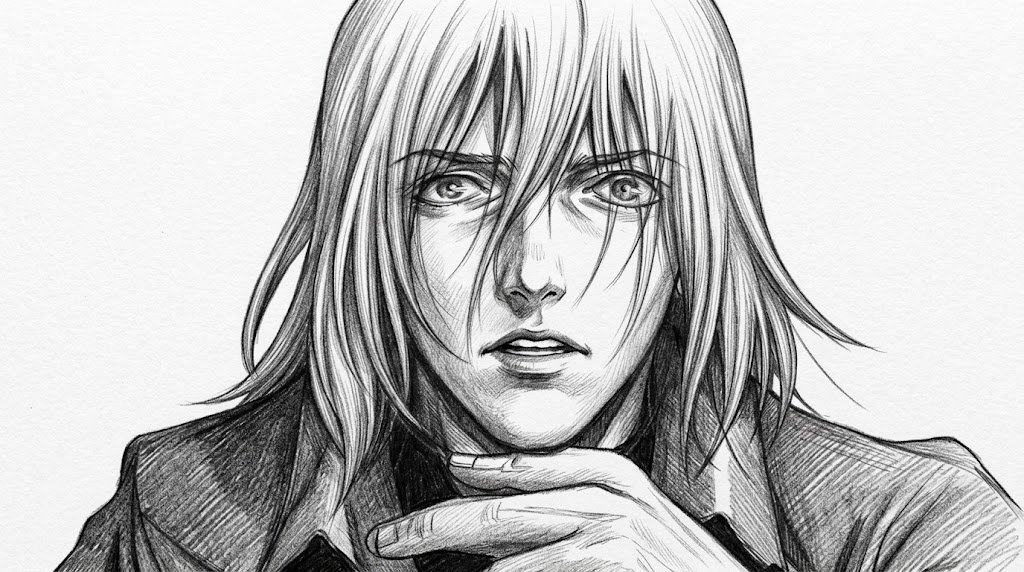
Hearing Sharle’s idea, Angel was astonished.
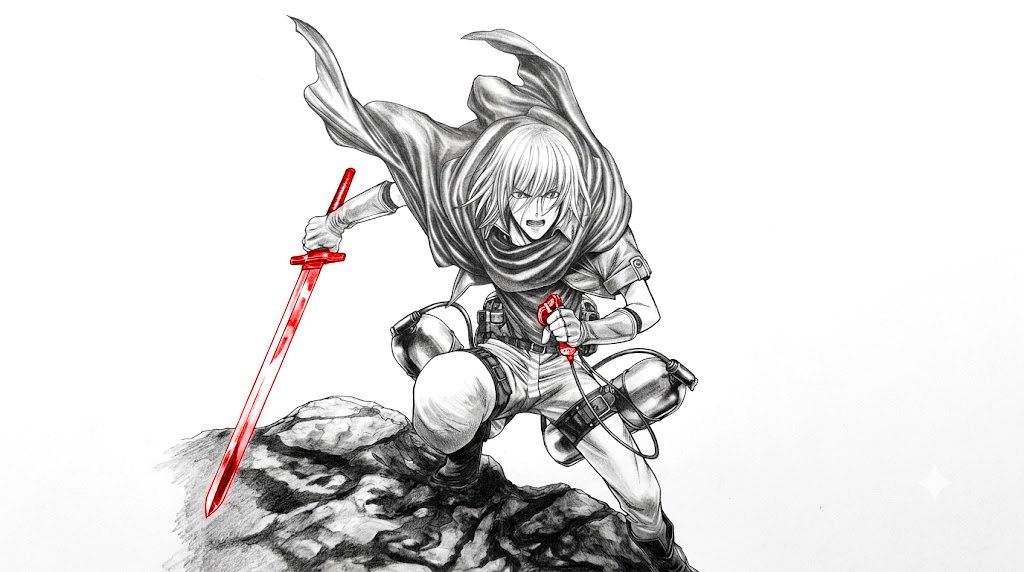
He realized that while he had always insisted on challenging common sense, he himself had been trapped in the preconceived notion that the device was just a device and the sword was just a sword.
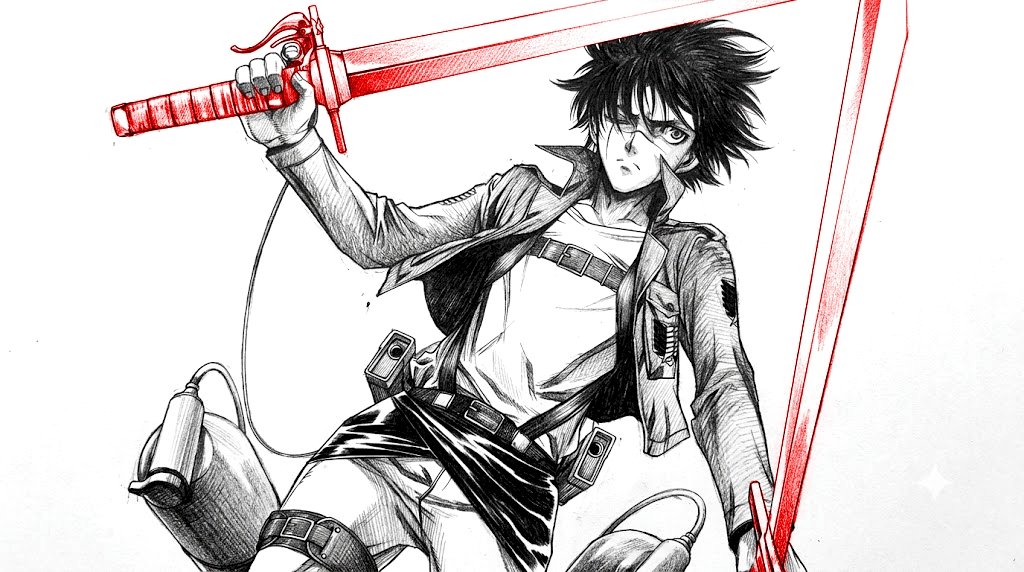
Angel embraced Sharle’s fresh perspective, and together they created a more differentiated and integrated system: the Omni-directional Mobility Gear.
3. Artifact
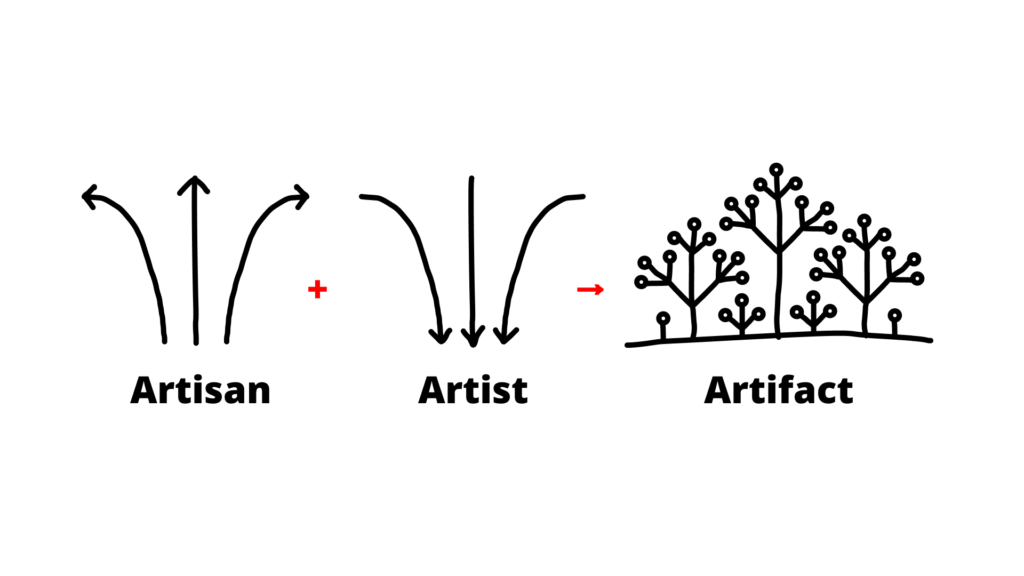
By alternating between the disciplined Artisan mindset and the flexible Artist mindset, an Artifact emerges.
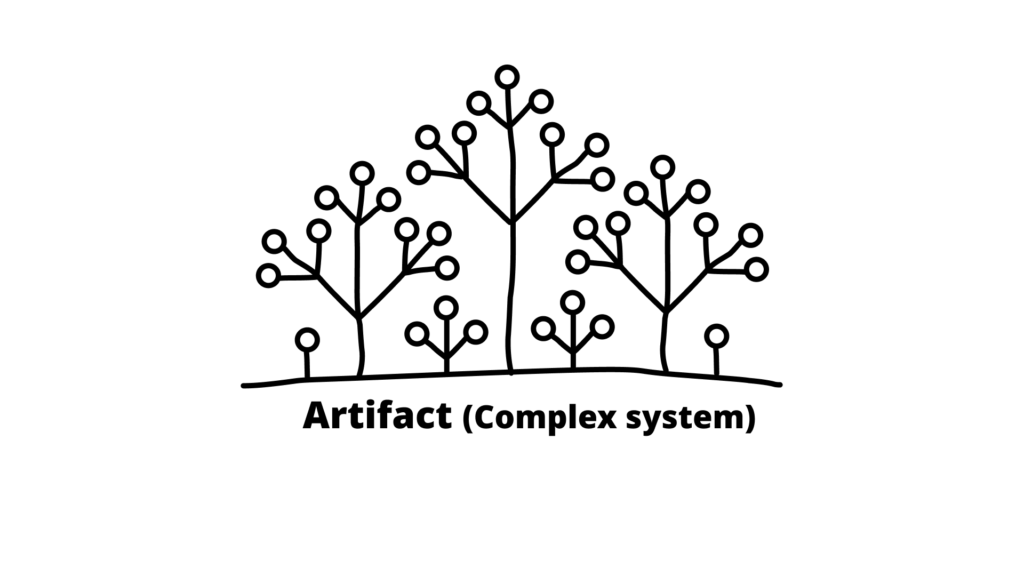
The term “Artifact” refers to a human-made creation.
Here, the term “Artifact” is used in its broadest sense.
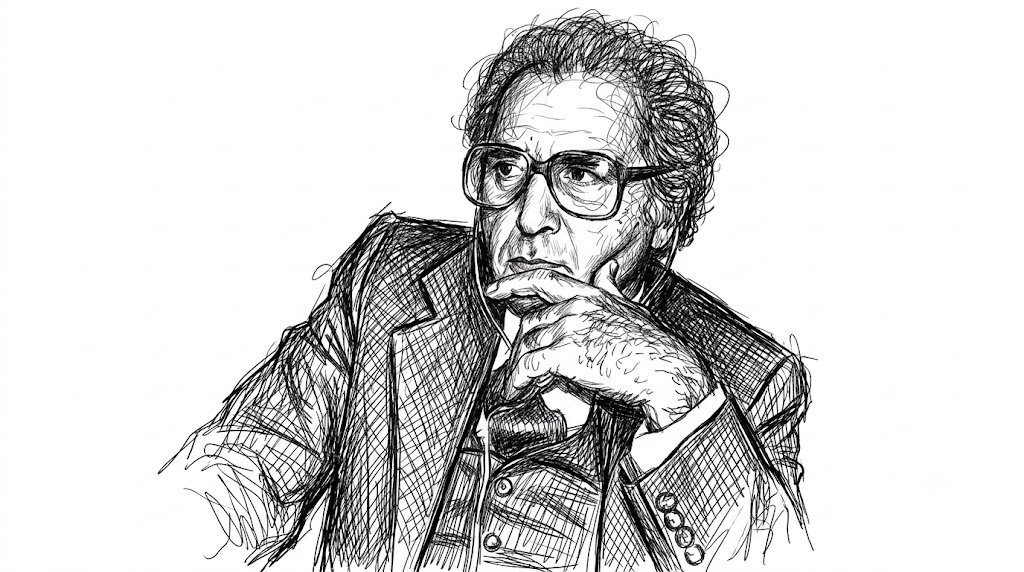
Drawing on Aristotle’s philosophy, Marx Wartofsky broadly defined an Artifact as anything humans create by transforming both nature and themselves.
In other words, everything created through the tree of knowledge is an Artifact.
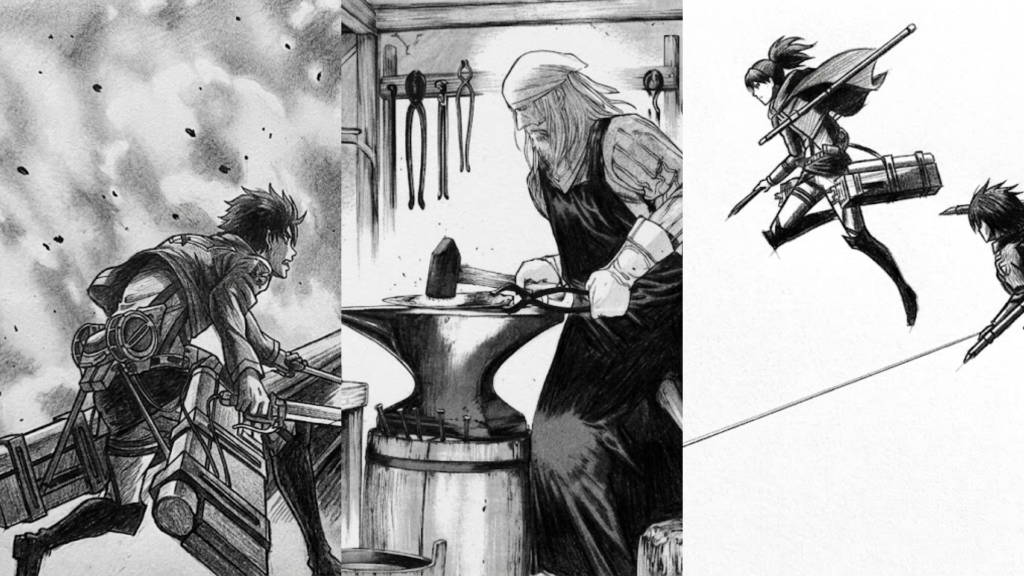
Not only the Omni-directional Mobility Gear we looked at earlier, but also the technology used to create it and the tactics used to defeat Titans can be viewed as Artifacts.
Examining the Artifact that is the Omni-directional Mobility Gear allows us to see how the Artisan and Artist mindsets intertwine to create a dynamic whole.
The Omni-directional Mobility Gear is a dynamic system that has evolved through Differentiation and Integration.
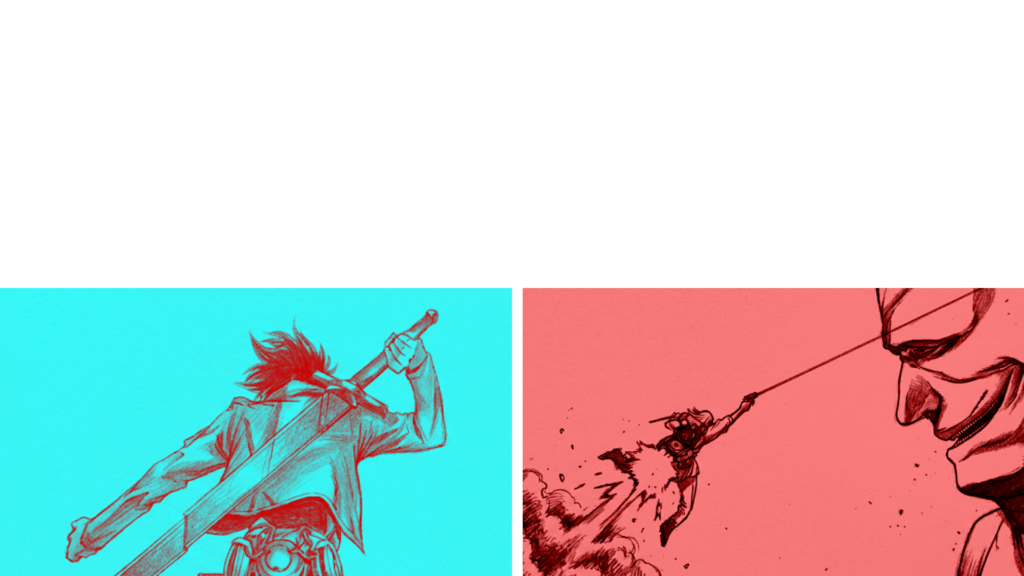
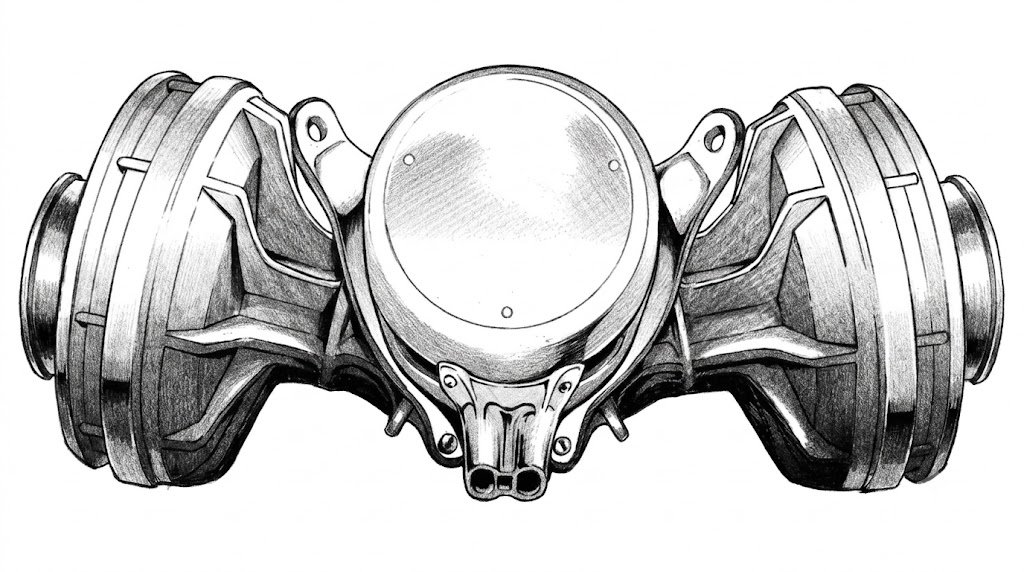
First, the Omni-directional Mobility Gear developed by differentiating into two specialized components: the Iron Bamboo sword and the mobility device.
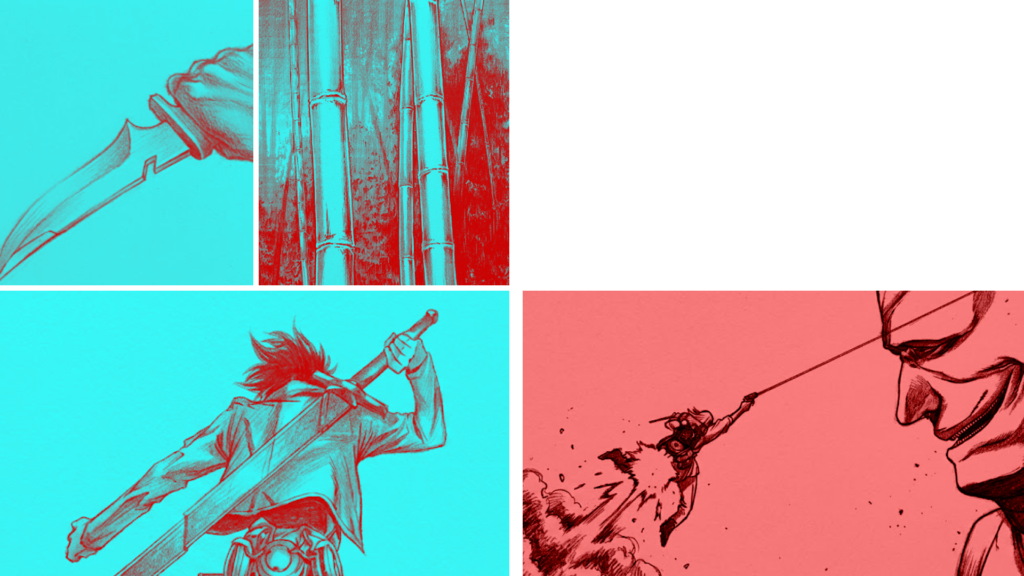
The Iron Bamboo sword differentiated its function of slashing enemies by integrating the blade with a new material, Iron Bamboo.
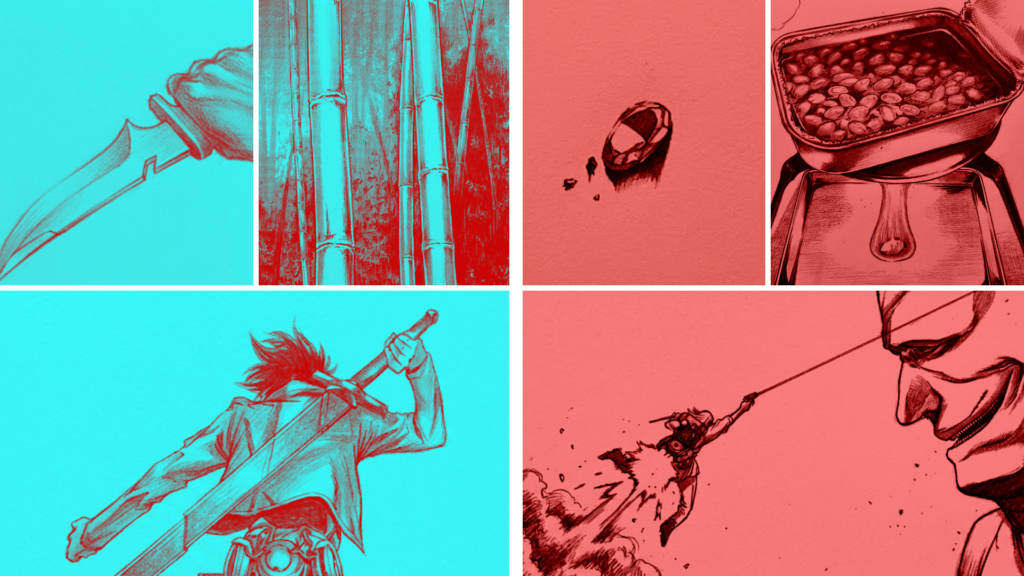
On the other hand, the device differentiated its mobility function by integrating a new material, Iceburst Stone, into a high-pressure gas cylinder based on the principle of canning.
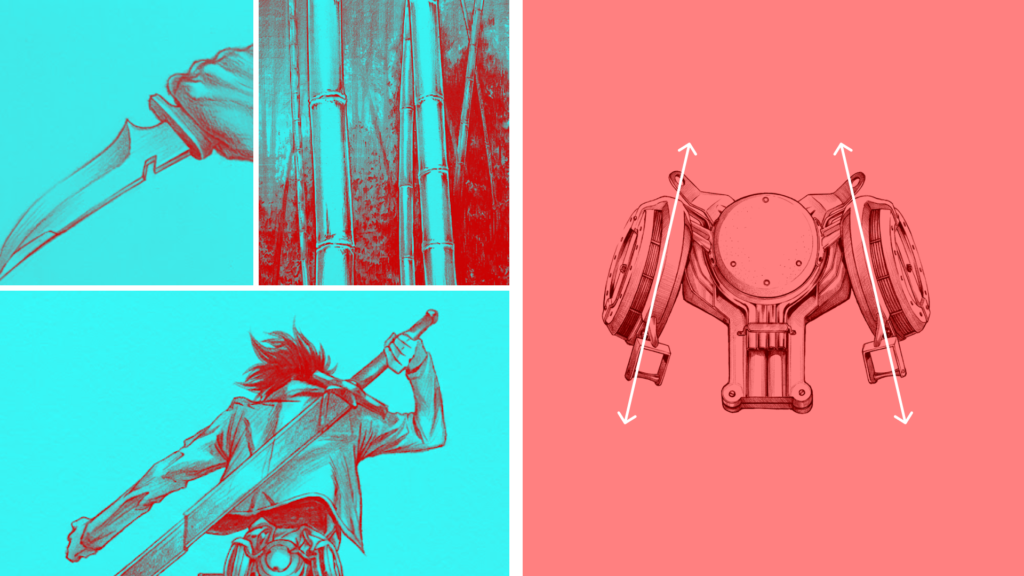
Later, the device’s function was further differentiated to overcome the limitation of moving only vertically,
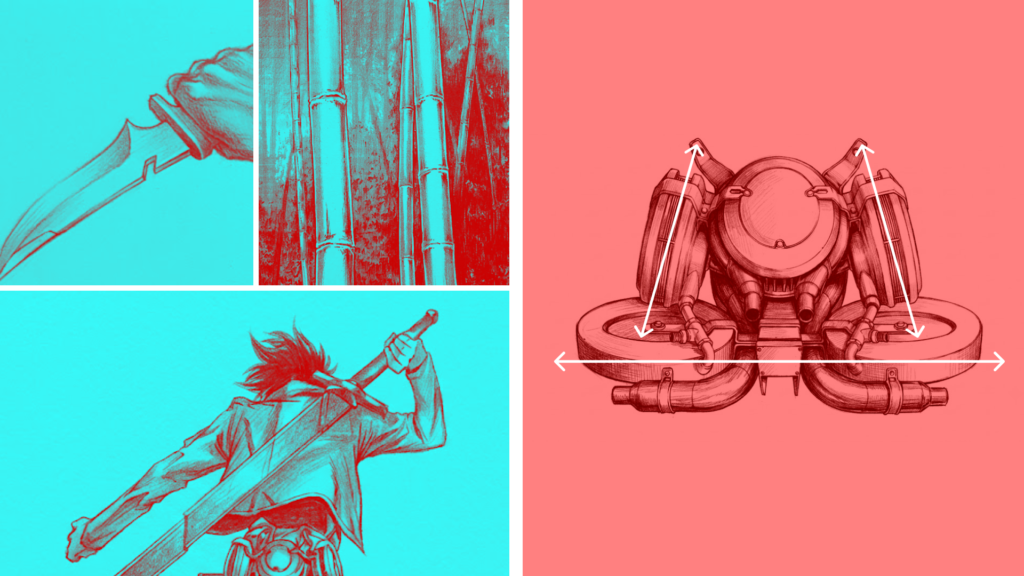
allowing for horizontal movement as well.
However, this was an unnecessary branch that needed to be pruned.
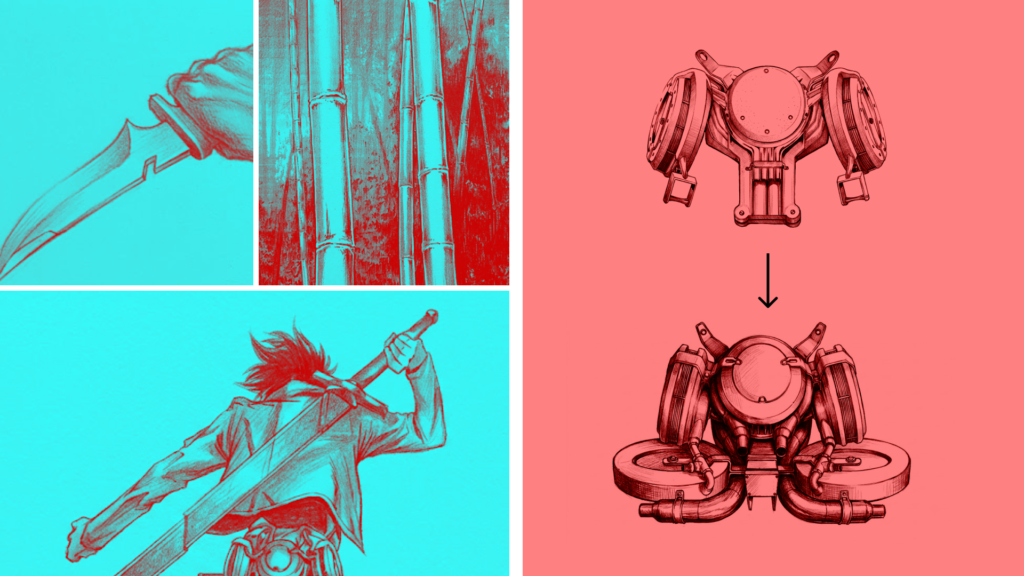
Originally, the device only required two vertical nozzles, but adding horizontal nozzles caused the weight to double.
No matter how much they refined it to reduce the weight, it remained heavy.
Furthermore, because movement was strictly limited to up, down, left, and right, it was still difficult to defeat a moving Titan.
This problem was resolved by integrating the differentiated Iron Bamboo sword with the mobility device.
The Omni-directional Mobility Gear became a unified whole, far more than the simple sum of its parts—the Iron Bamboo sword and the mobility device.
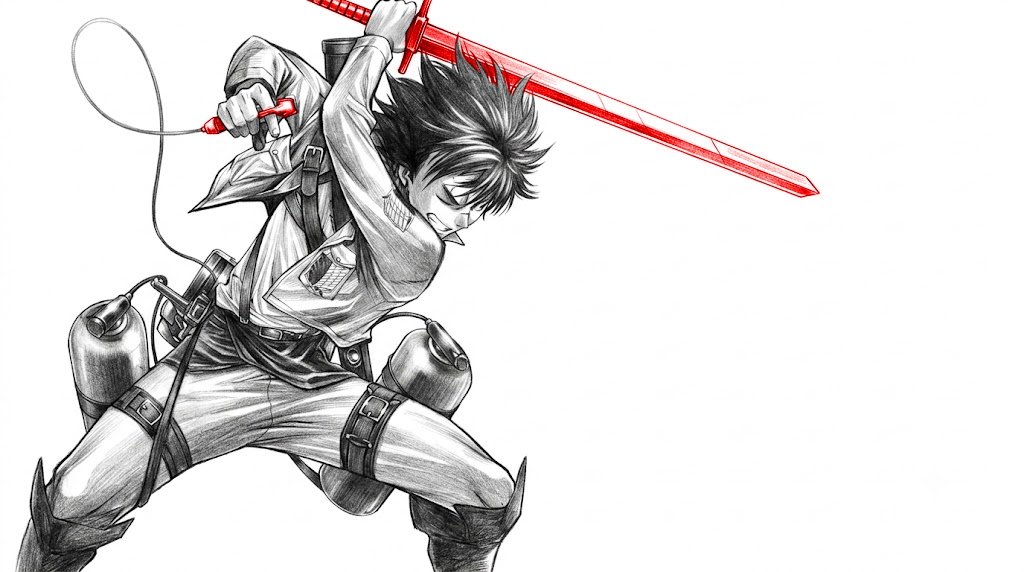
A new, higher-level function emerged that could not be achieved by using the Iron Bamboo sword and the device as separate parts:
the freedom of both hands.
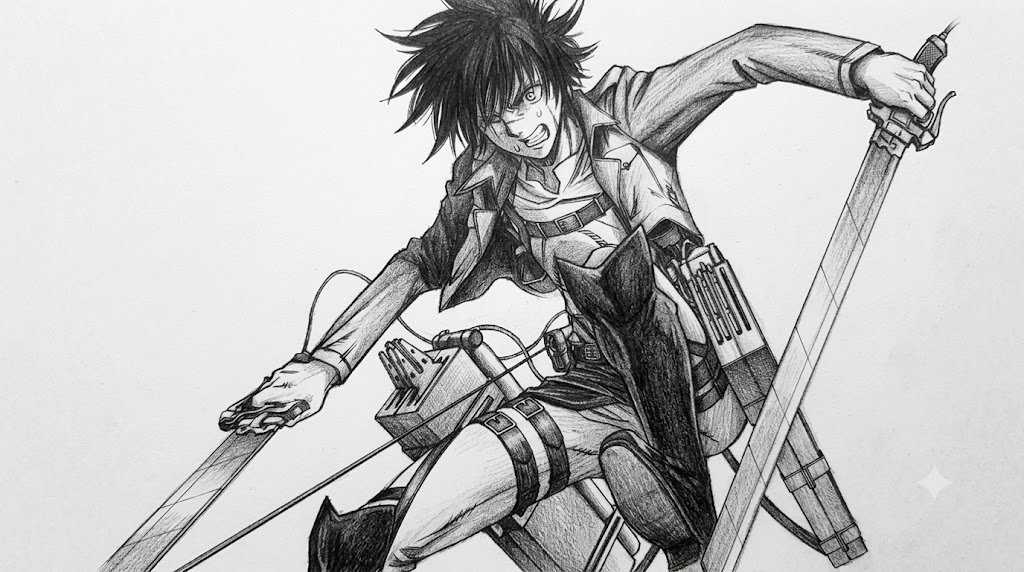
The reason this freedom of both hands is a higher-level function is that it enables simultaneous attack and mobility.
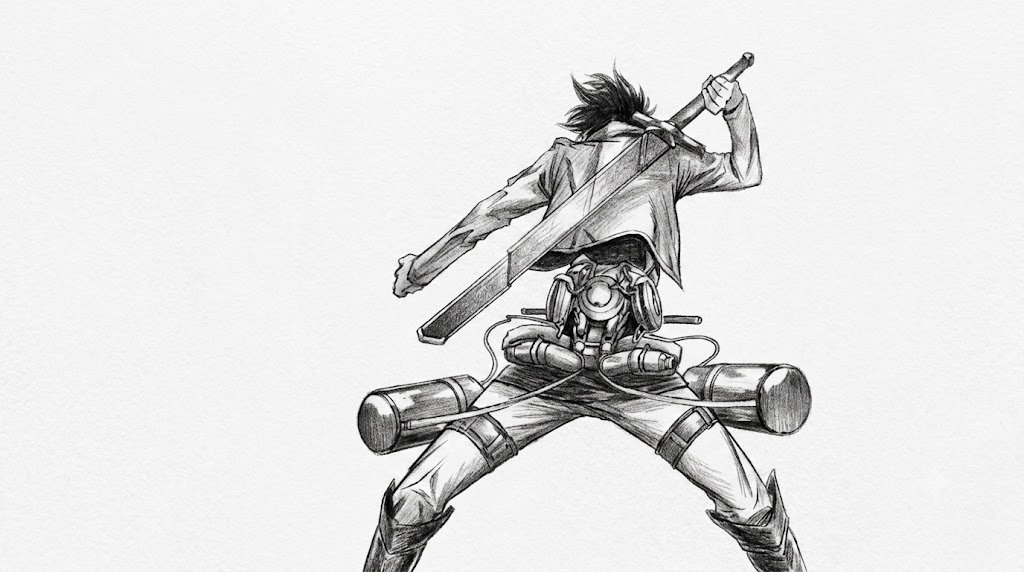
No longer did users need to finish their movement first and then draw the swords strapped to their backs to attack.
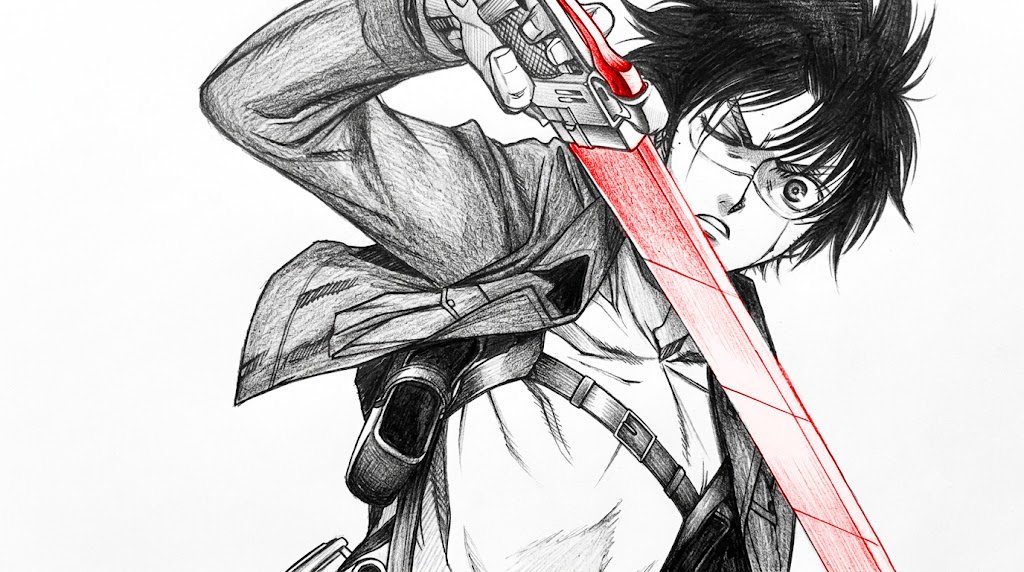
This was because the control grips of the mobility device were already integrated into the swords, allowing for a seamless transition between maneuvering and attacking.
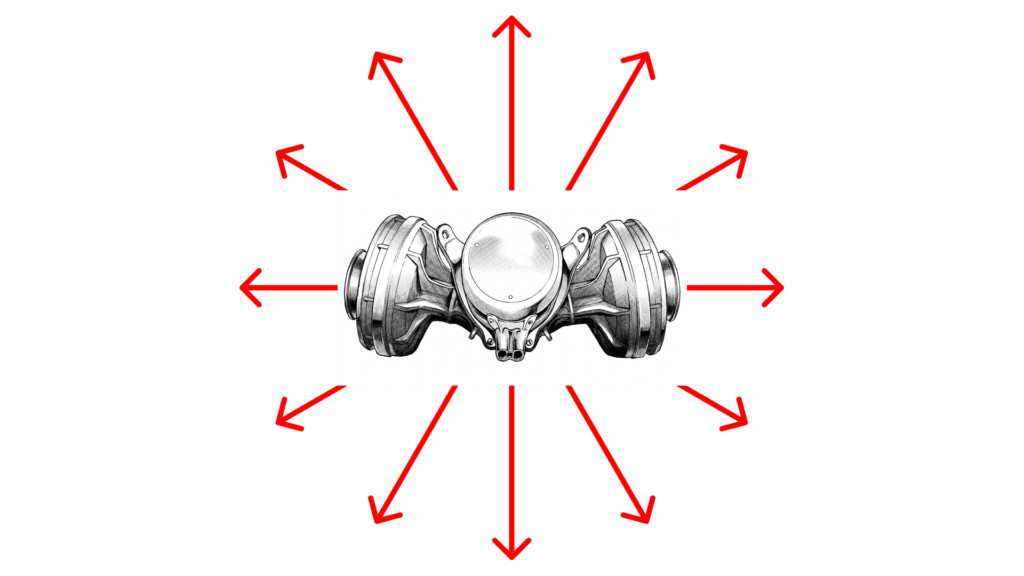
Furthermore, the launch angle of the wires was no longer fixed to up, down, left, and right, but changed to a system where operators could freely control it through their own bodily movements.
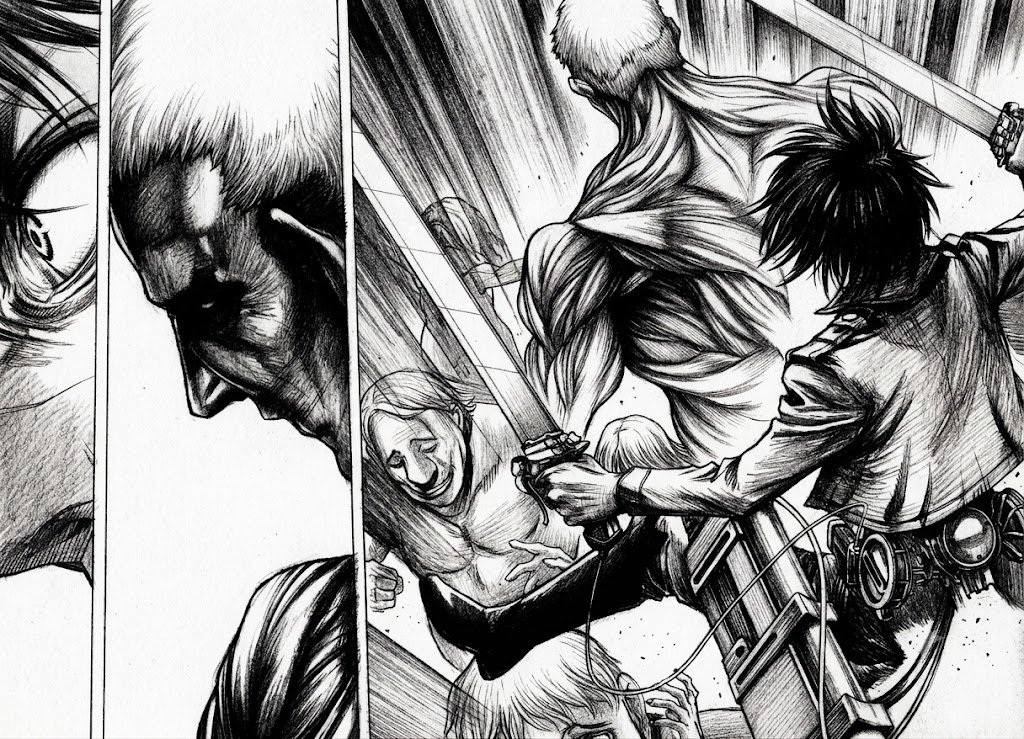
This approach fundamentally transformed the flow of combat.
Because attack and movement were woven into one and users could maneuver freely in 360 degrees, they were able to swiftly evade immediate crises.
In this way, to achieve evolution, we must be able to integrate and differentiate the branches of knowledge to create a complex system.
This video explored what an information system should look like.
Then, how should we manage such an information system?
In the next video, we will apply these principles to examine in detail how Commander Erwin from Attack on Titan solves problems.
You can watch the full version on YouTube ‘Mutant Creativity, vol 4-3’