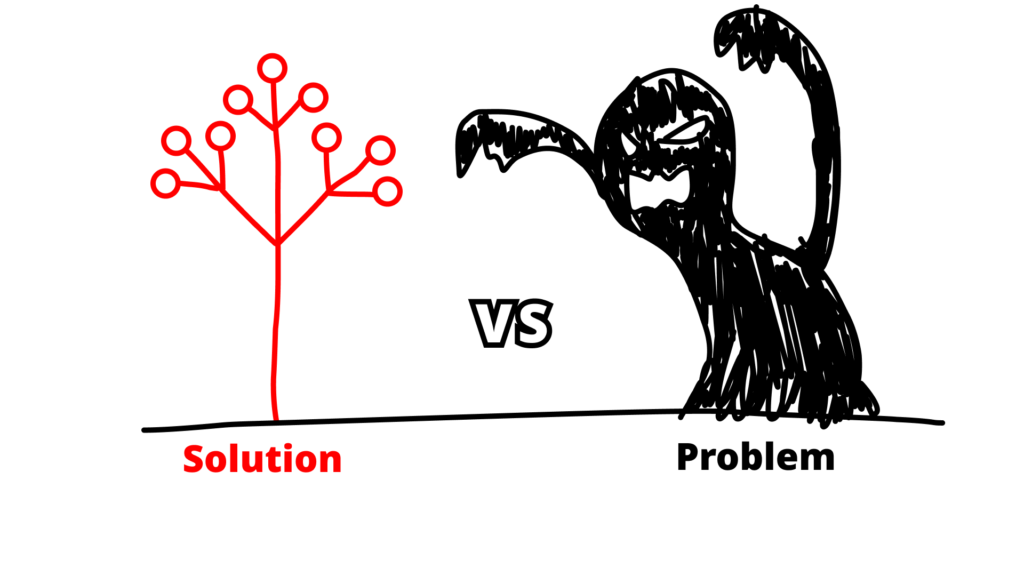
To solve complex problems, you need to be able to build complex systems of information.
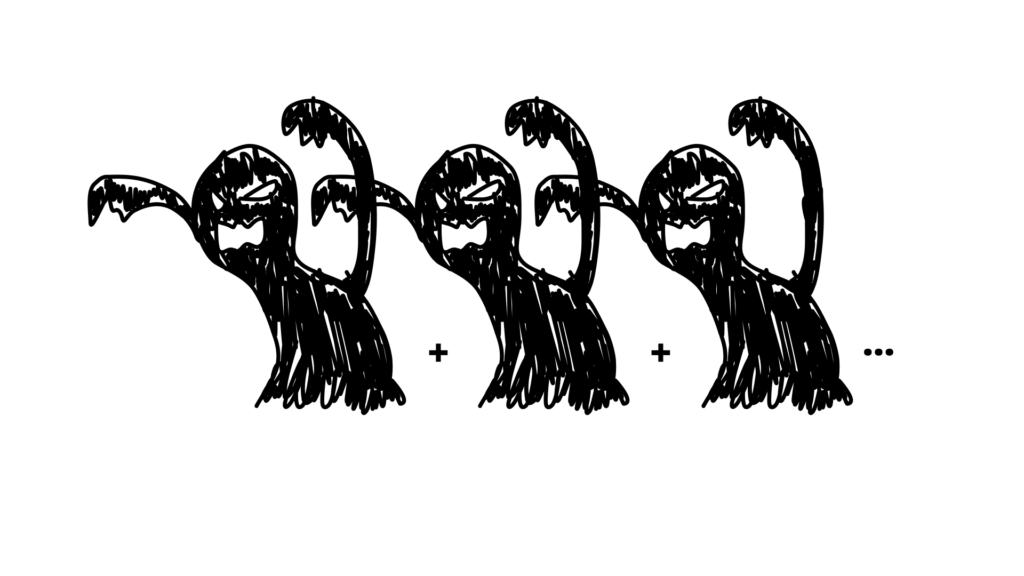
The reason a problem seems so complex is that multiple issues, both big and small, are deeply tangled together.
We’ve all had moments when problems get so tangled up and overwhelming that we have no idea what the actual issue is or how we’re supposed to solve it.
I call this complex problem “Mr. Noname.”
That’s because, as an undifferentiated mass of pure potential, it is far too unformed to easily grasp or name.
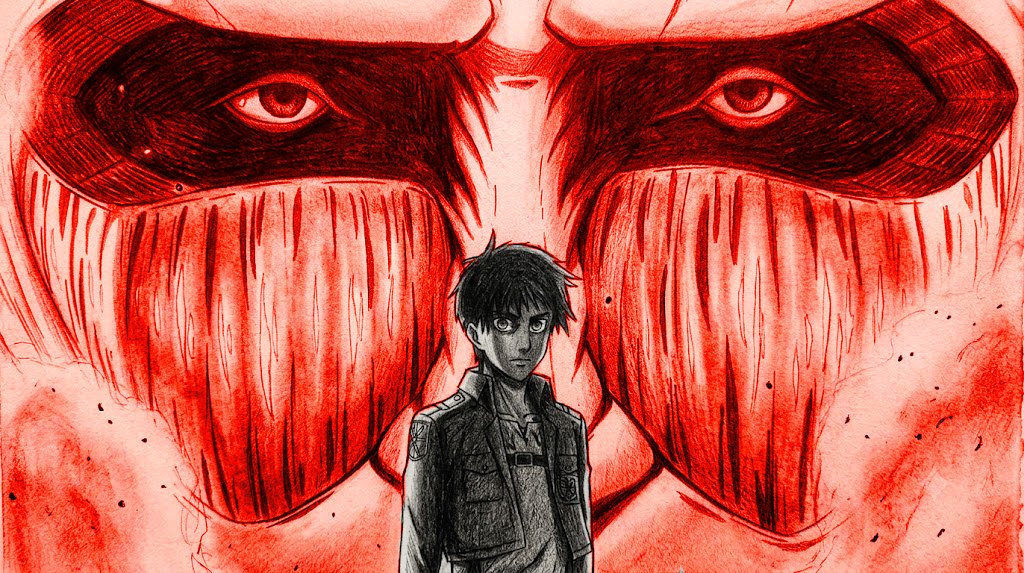
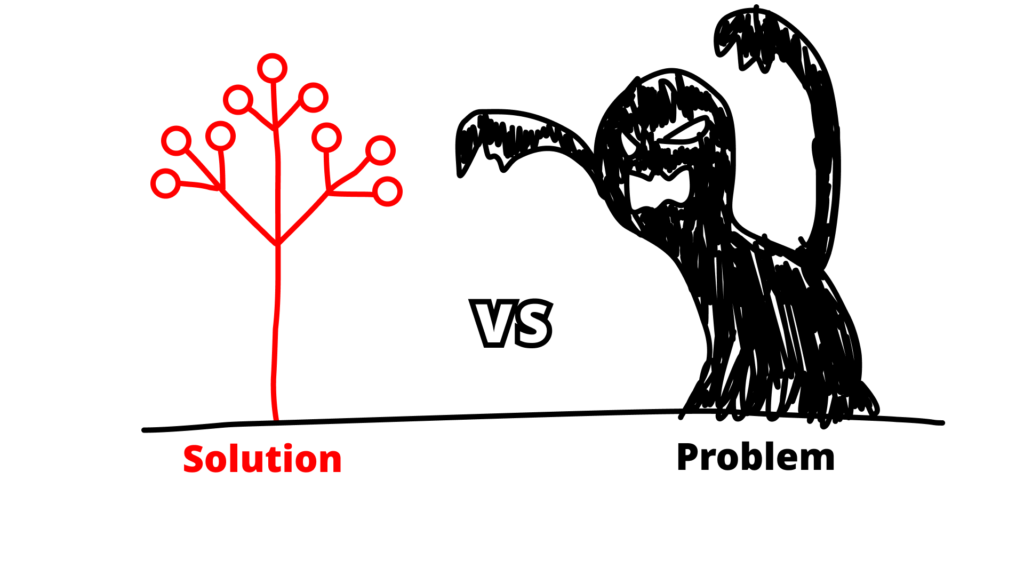
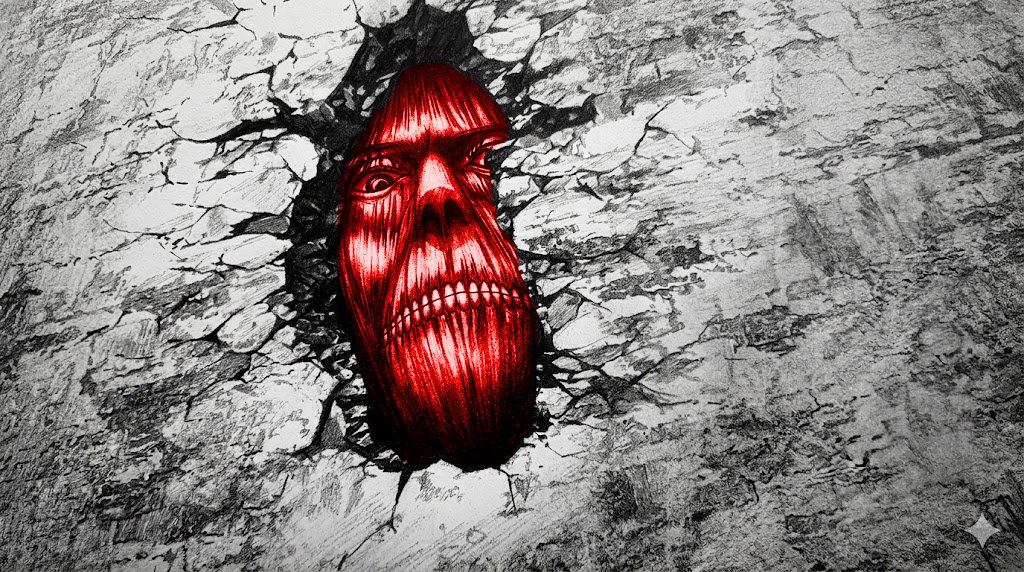
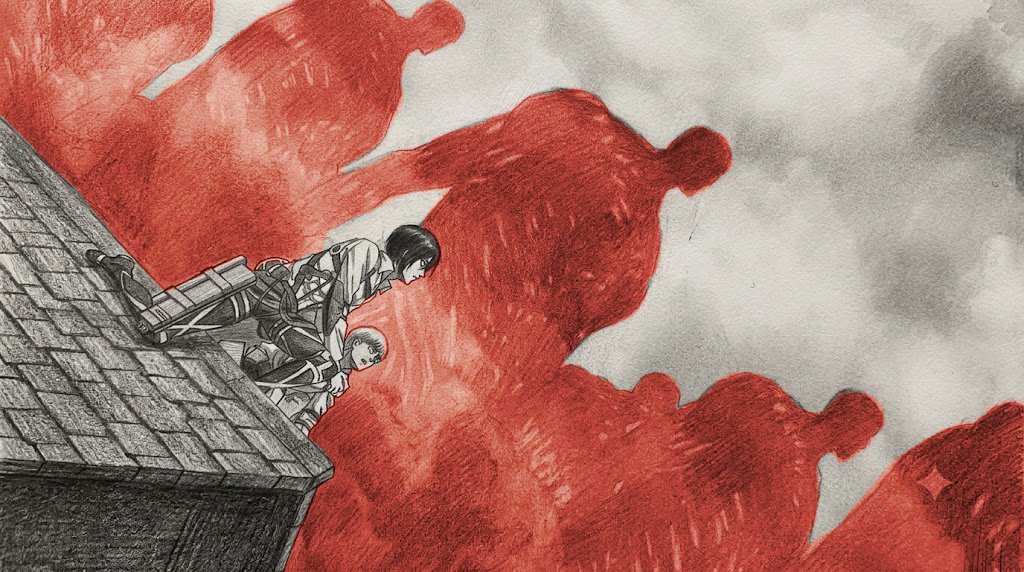
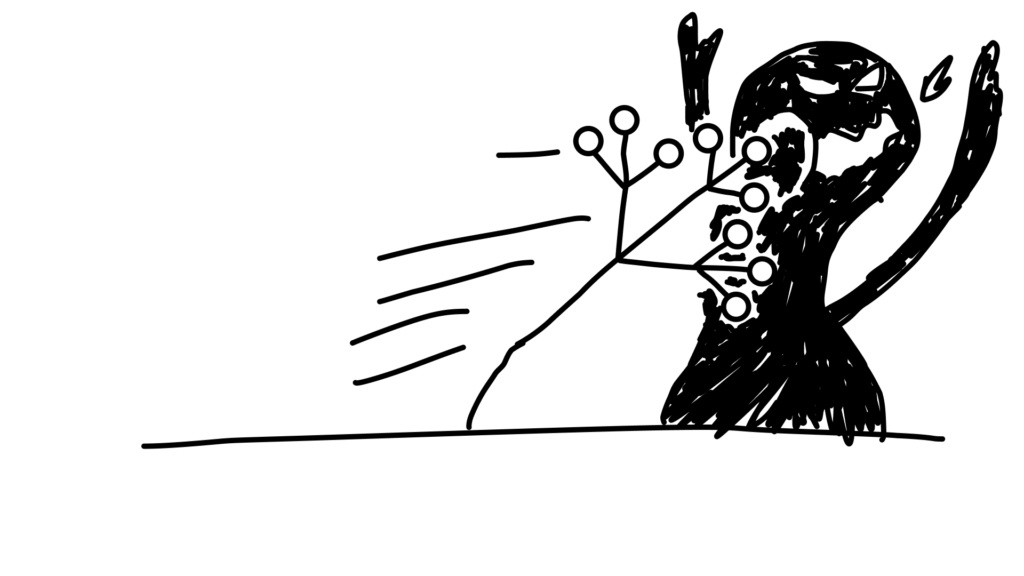
I often imagine that if a complex problem were a person, it would probably be like one of the Titans from Attack on Titan.
A problem far too massive to handle attacks us in cruel and unexpected ways.
So, what do we need to do to fight back against these Titans?
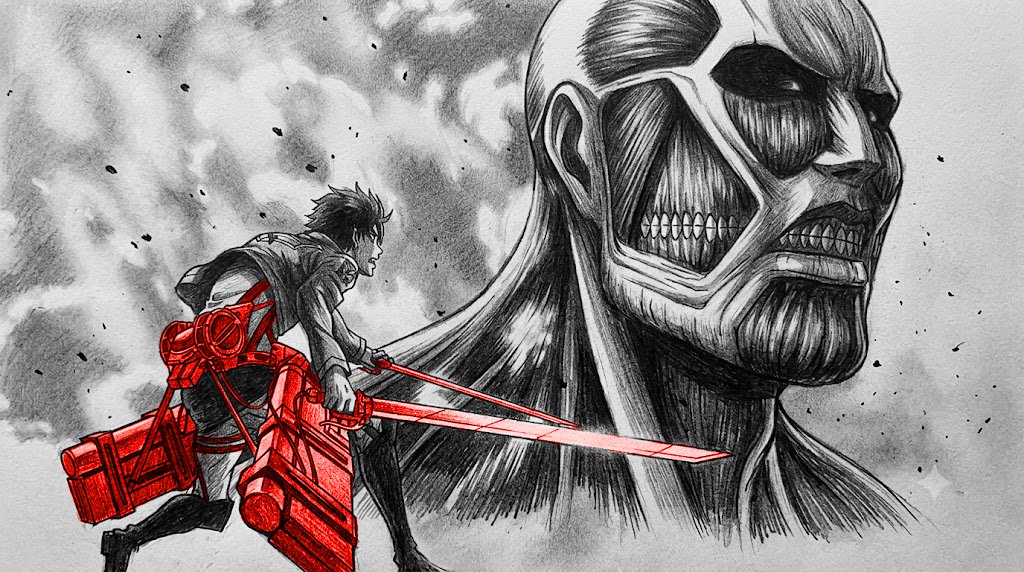
We have to come up with a solution.
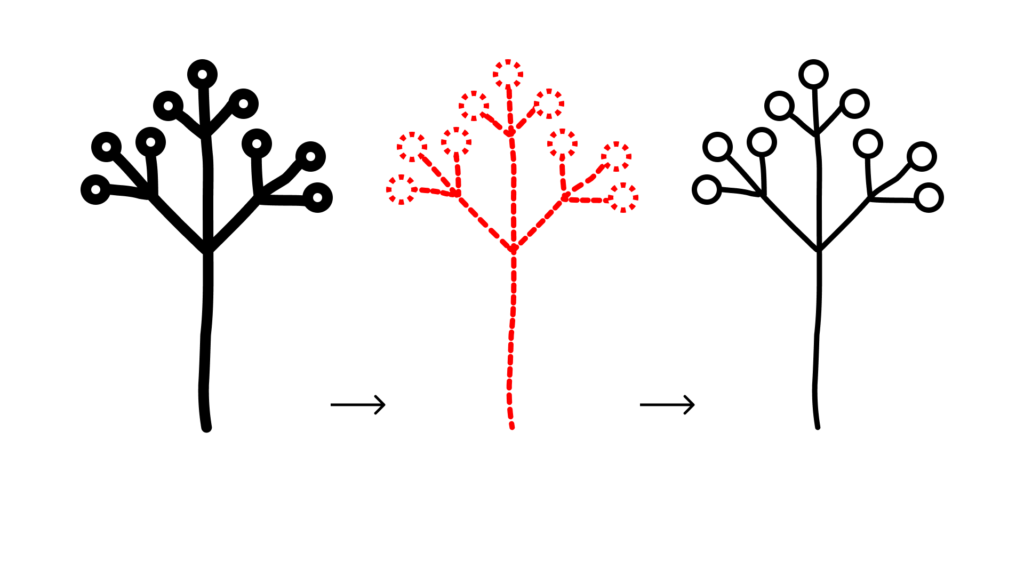
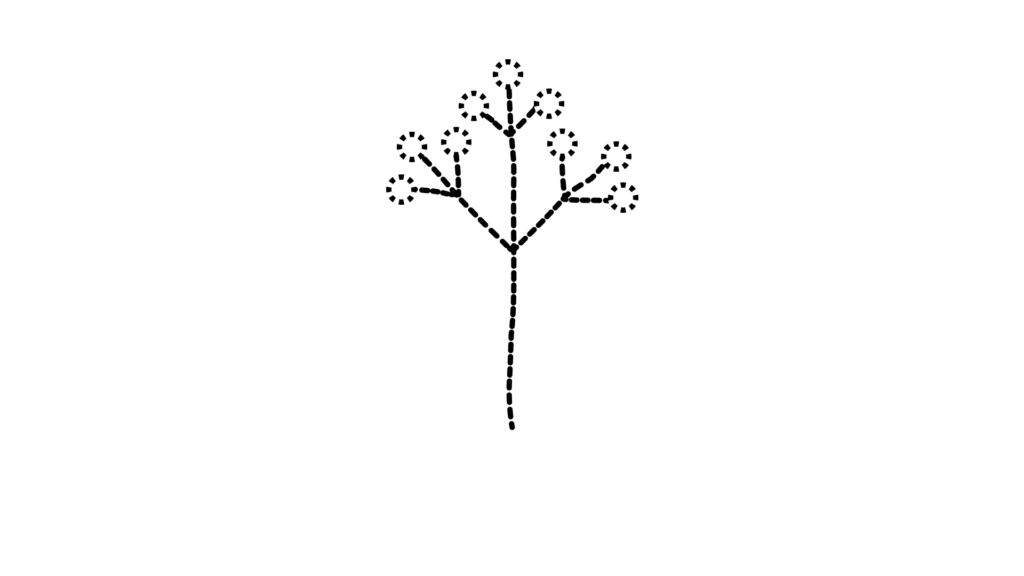
If the complex problem is a Titan, the solution is a tree.
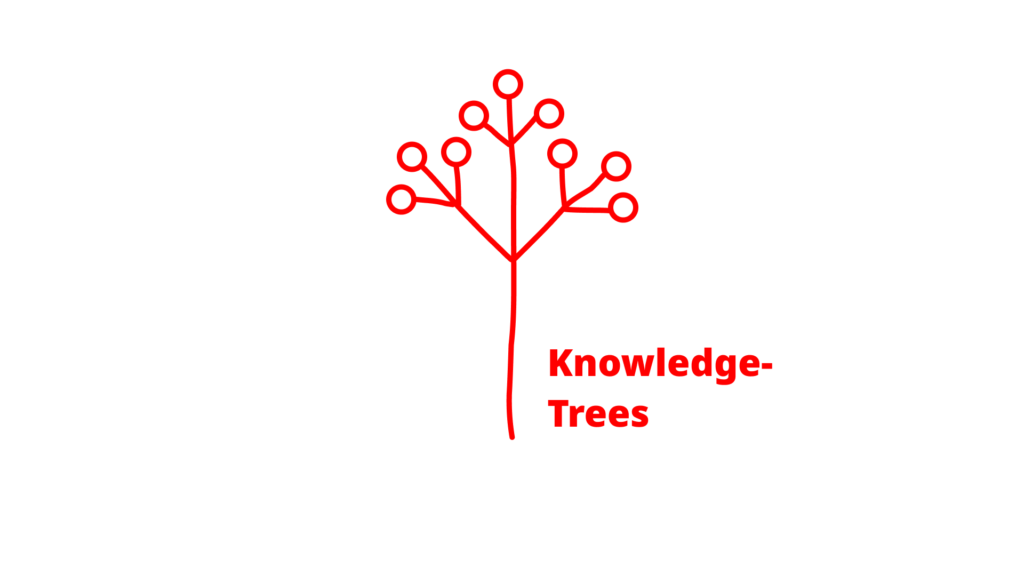
I call this the “Knowledge Tree.”
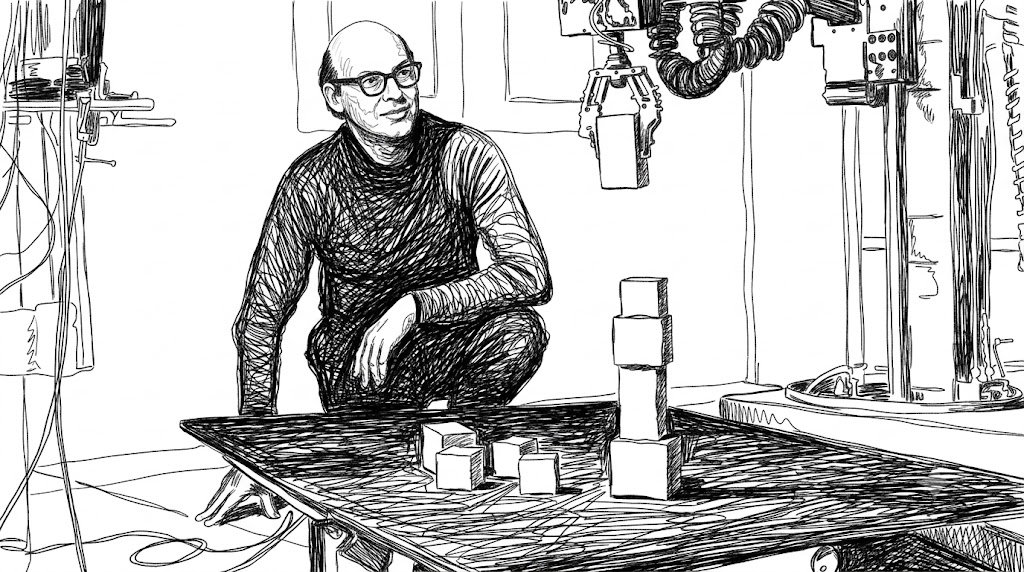
This is a concept introduced by Marvin Minsky, widely known as the father of AI.
Minsky used the concept of a Knowledge Tree to visually explain how human beings think.
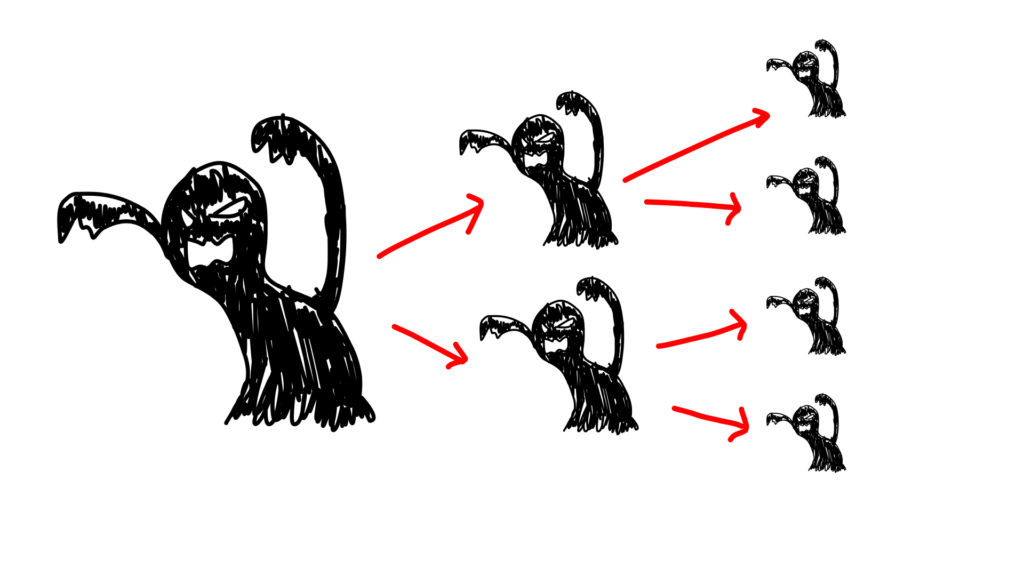
He believed that the only way to solve a difficult problem is to break it down into smaller problems.
And if those are still too difficult, he advises us to divide those smaller problems yet again.
By doing this, the difficult problem branches out into sub-goals and sub-problems, taking the shape of a tree and making the overall outline of the problem crystal clear.
Minsky called this tree a “Knowledge Tree.”
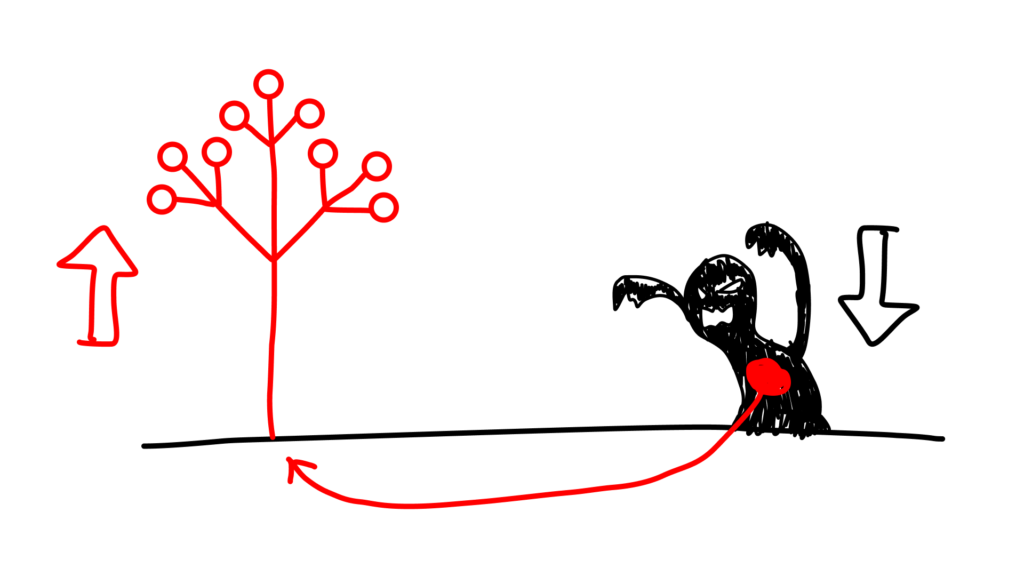
To grow the Knowledge Tree, you must find the answer within the problem itself.
We need to untangle the large and small clusters of issues within the complex problem, using them as nourishment for the Knowledge Tree.
Inside the problem lie the clues about which branches should receive more nourishment and which ones need to be pruned.
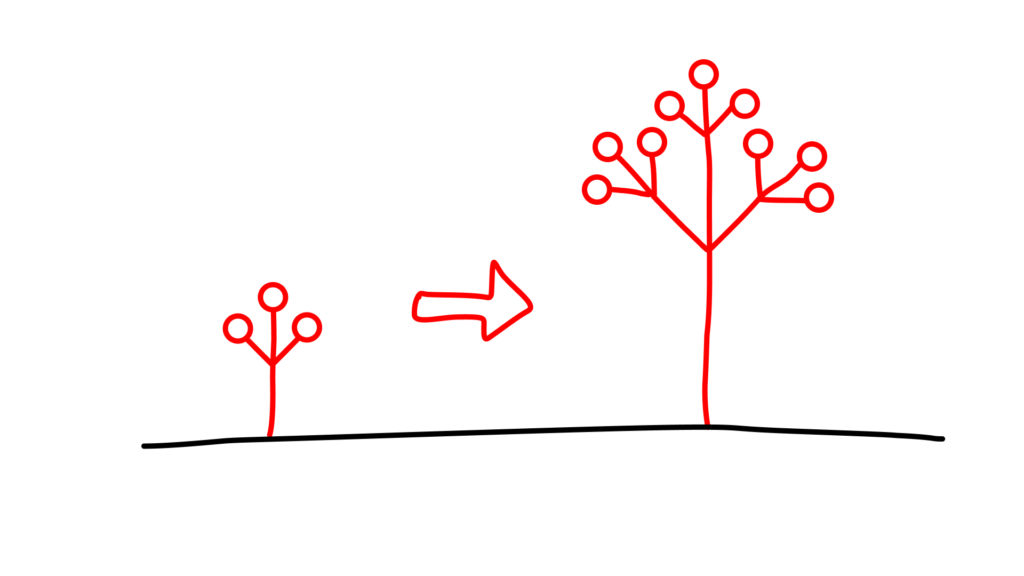
Once this network of ideas—the Knowledge Tree—has fully matured, we must use the fruit it bears to come up with a solution to fight against Mr. Noname.
A solution can be a concept, but it can also be a physical object.
In Attack on Titan, the Omni-directional Mobility Gear appears as the solution to the Titan threat.
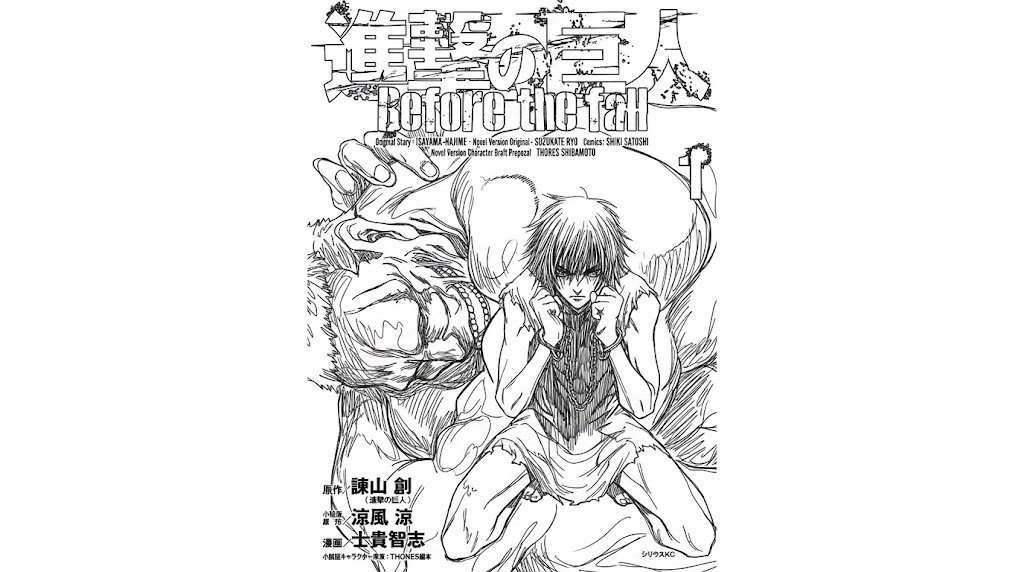
How humanity came to invent the Omni-directional Mobility Gear is well-documented in the official Attack on Titan spin-off, Before the Fall.
The solution to the Titan problem evolved through the stages of “the device,” “the new model,” and finally, the “Omni-directional Mobility Gear.”
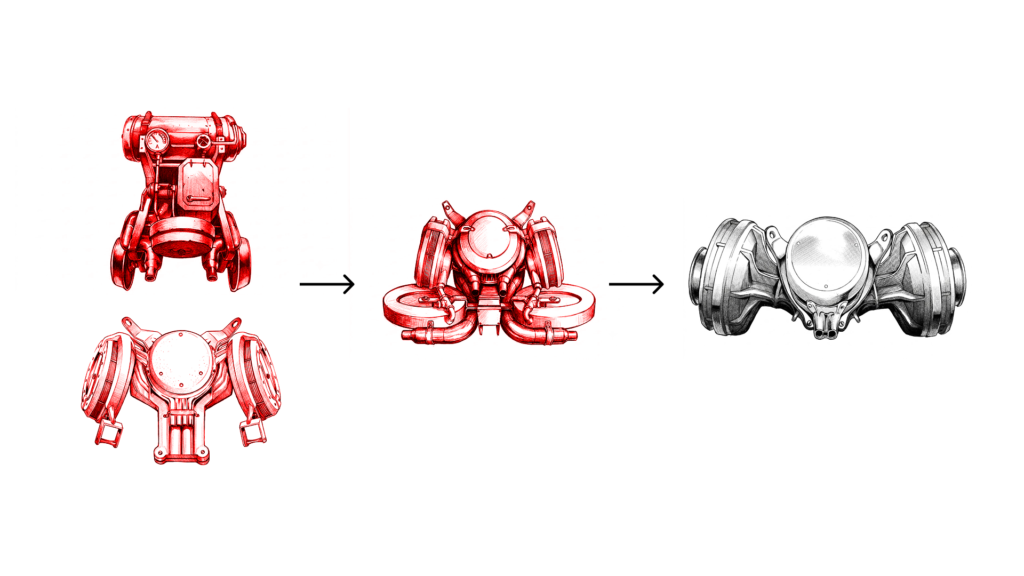
The fact that they were referred to by common nouns like “the device” or “the new model” without proper names shows that humanity had not yet grasped the core of the problem.
The Knowledge Tree had not yet fully matured.
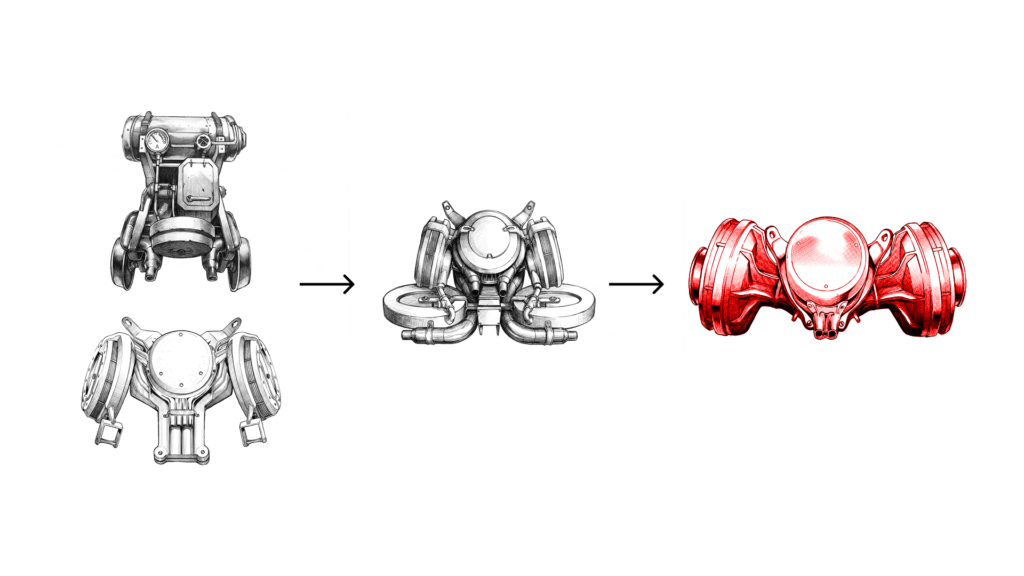
Finally, only when it became the Omni-directional Mobility Gear did the solution receive its proper name.
This gear clearly highlights the fact that “omni-directional mobility” is the key to defeating Titans in motion.
So, in what way did humanity develop its Knowledge Tree to invent the Omni-directional Mobility Gear?
Although I am using a manga as an example, this framework for organizing information can be applied to any field, making this highly relevant to your own work as well.
To solve complex problems, you need to be able to create complex solutions.
However, just because you need to create a complex solution does not mean it should simply be complicated.
Stuart Kauffman, a complexity scientist, gives us a clue on how to structure a complex system of solutions.
Kauffman describes three main regimes in complex systems.
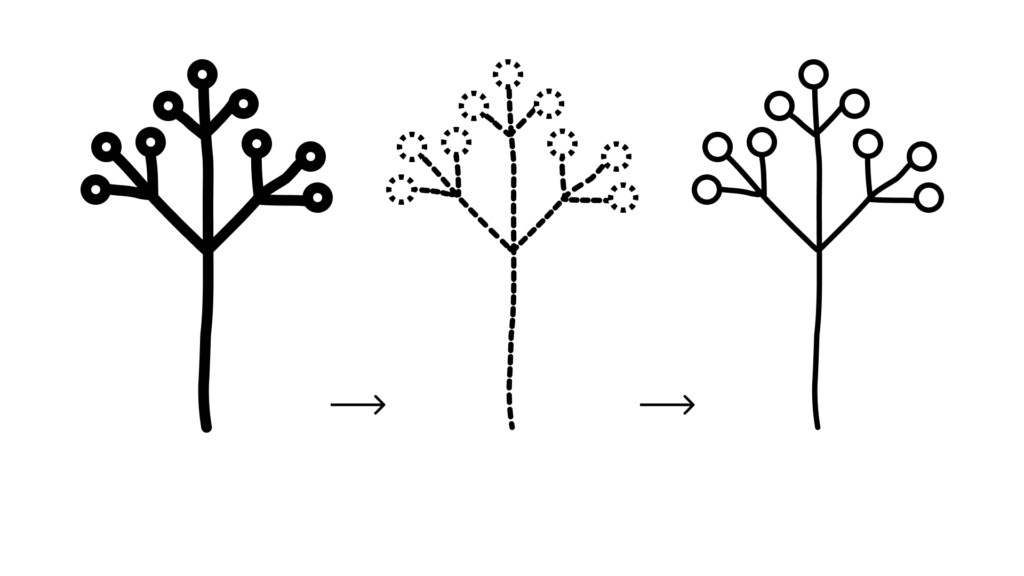
These are the ordered regime, the chaotic regime, and the critical regime—often called “the edge of chaos.
” These three regimes also connect to Shuhari, which we discussed in a previous video.
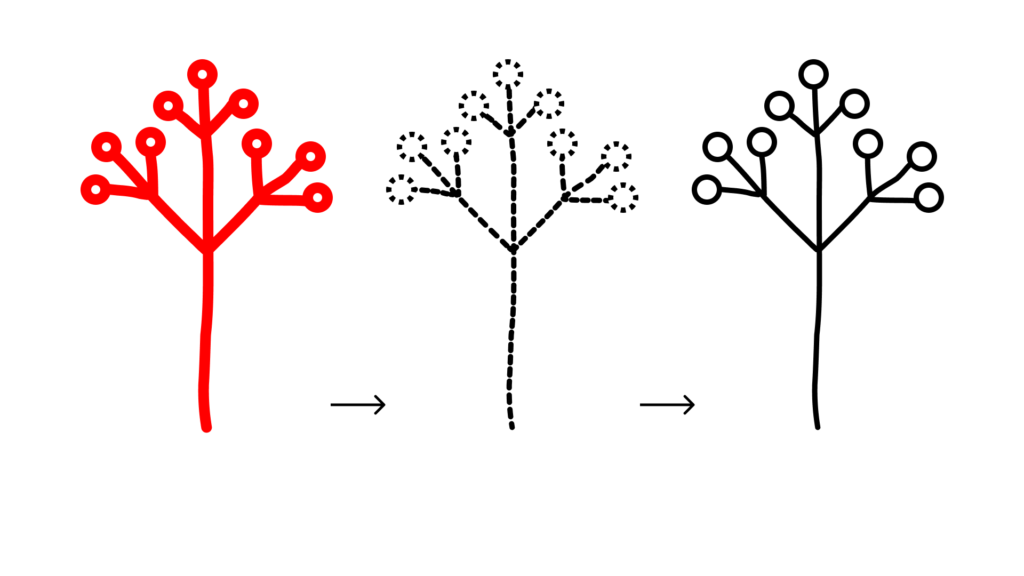
The ordered regime corresponds to the Shu stage, which is about following the teachings.
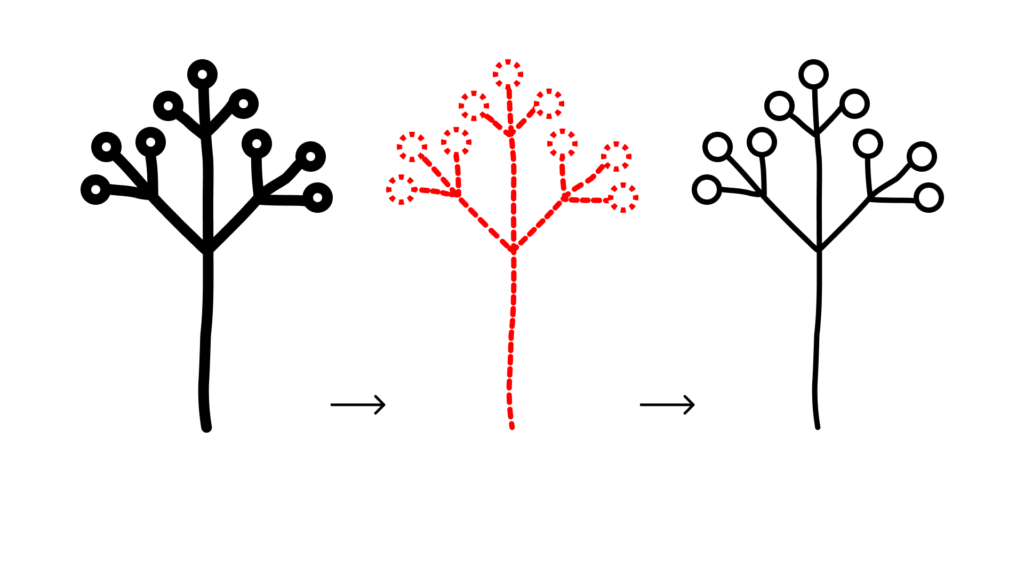
The chaotic regime corresponds to the Ha stage, breaking away from the teachings.
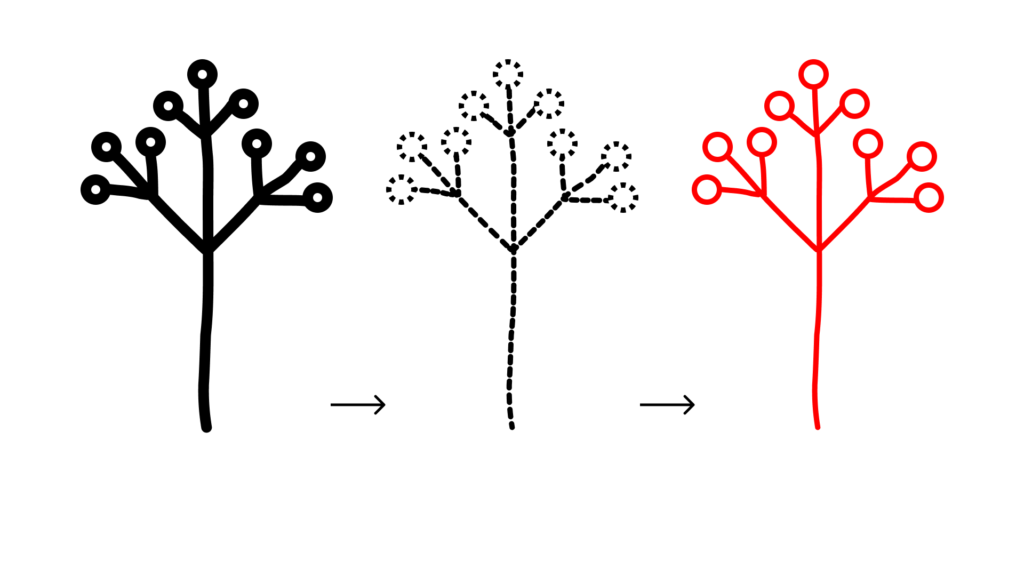
The critical regime can be seen as the Ri stage, transcending the teachings by simultaneously following and breaking away from them.
Let’s examine these regimes in complex systems one by one.
1. Ordered Regime
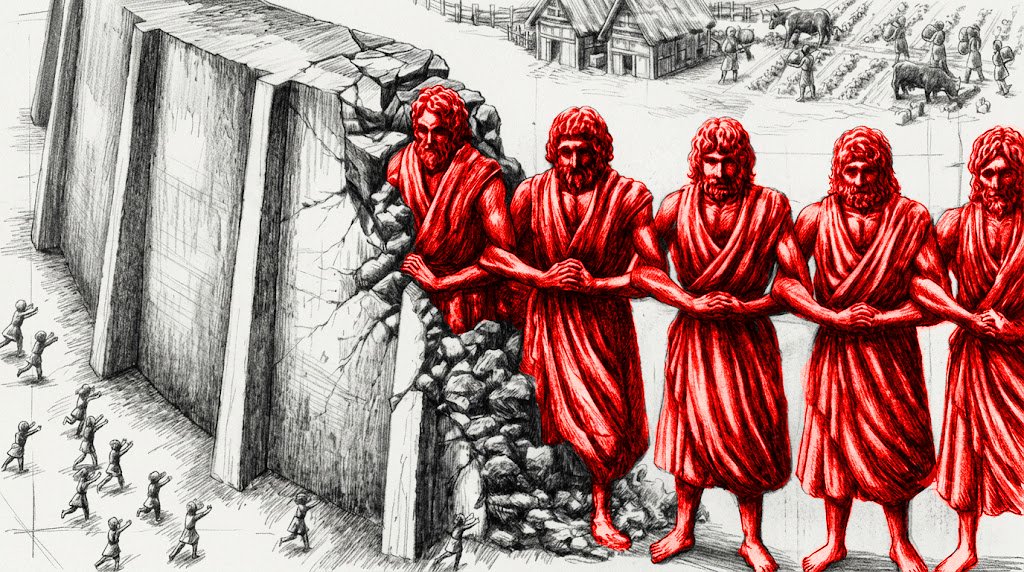
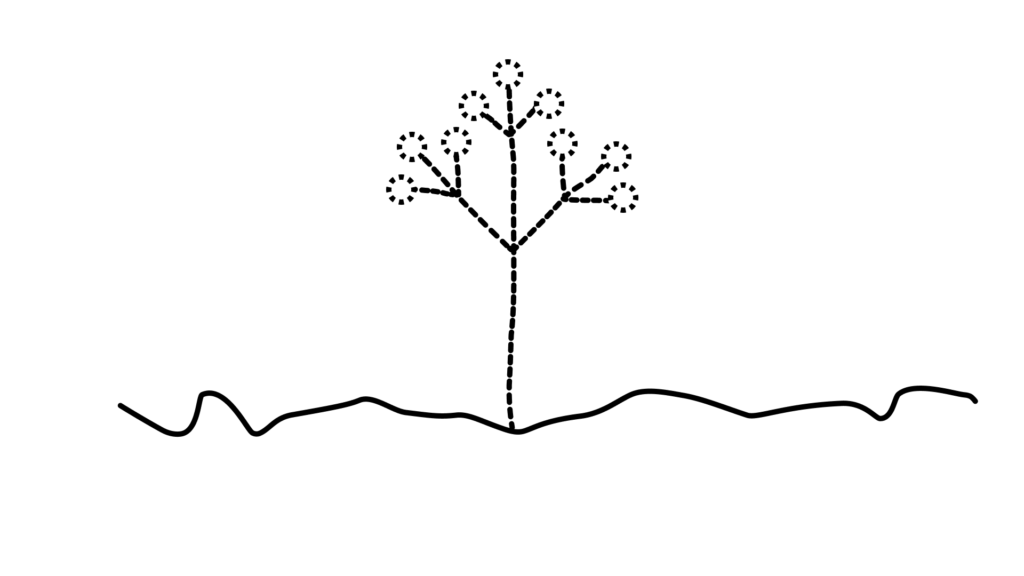
Staying in the ordered regime for too long has its drawbacks.
Kauffman states that the ordered regime has connections between pieces of information that are so strong that the system becomes highly robust against most disturbances.
However, looking at it from another angle, it can also be seen as a rigid system with no room for change.
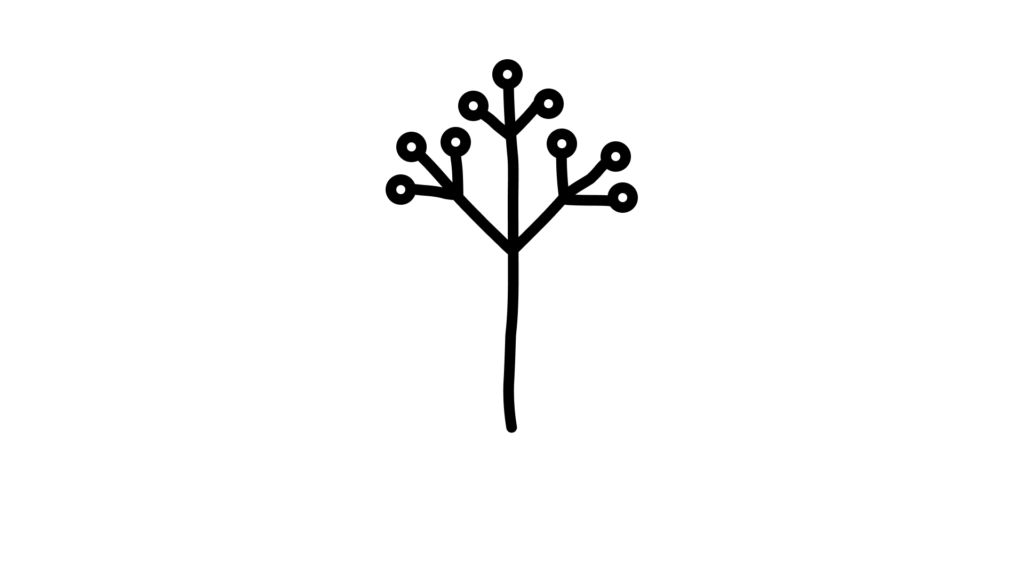
So, why does information become fixed in such a rigid state, like a stiff branch?
It is because it goes through a process of repeated selection.
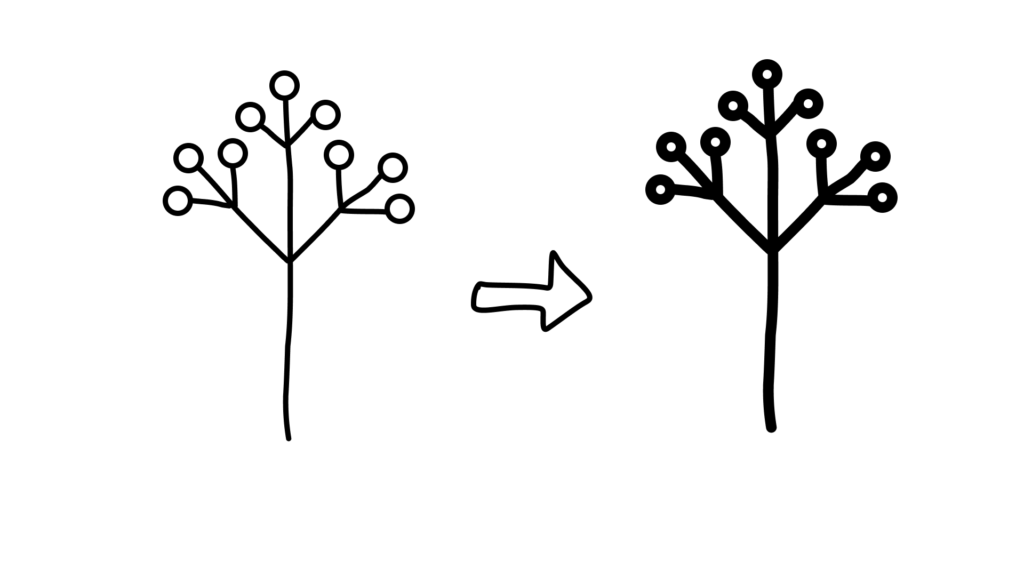
The more a certain combination of ideas successfully solves a specific problem, the more the system reinforces that pattern until it solidifies into a rule.
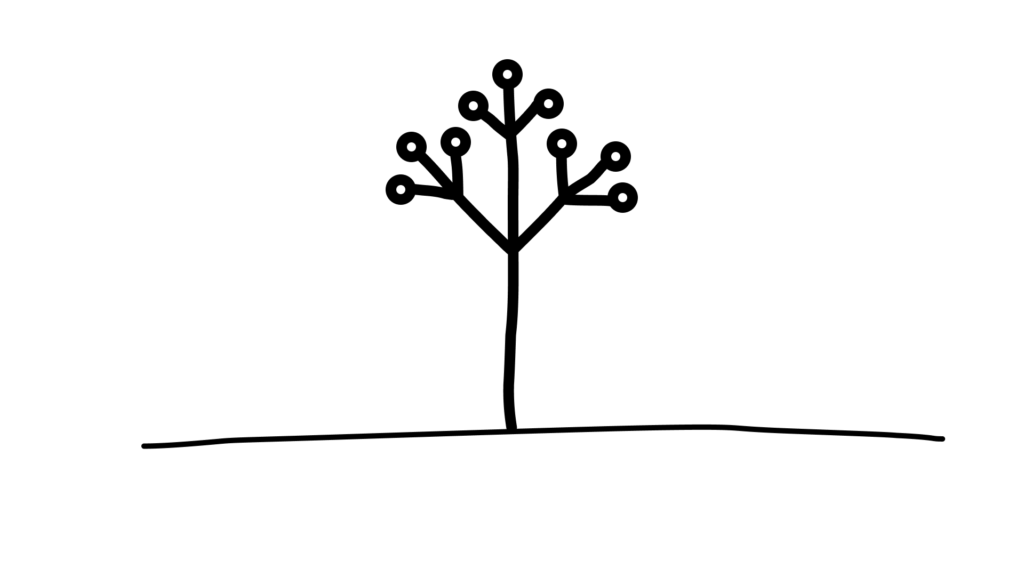
Of course, in a situation where the environment does not change at all, such a rigid information system would be highly efficient.
However, rigid order can sometimes backfire and become a liability.
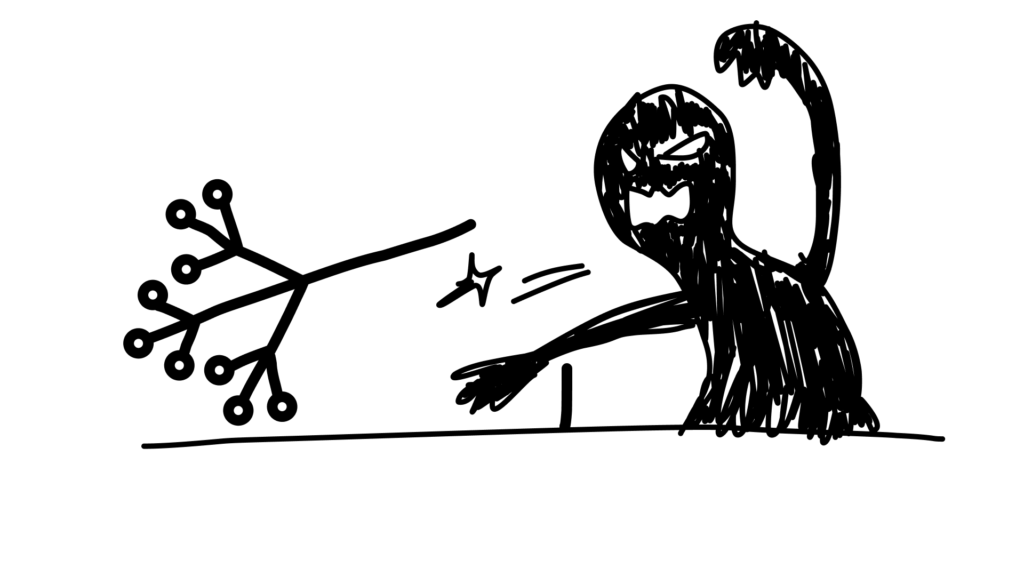
When faced with a major problem, it has the limitation of being unable to respond flexibly, which can cause it to snap.
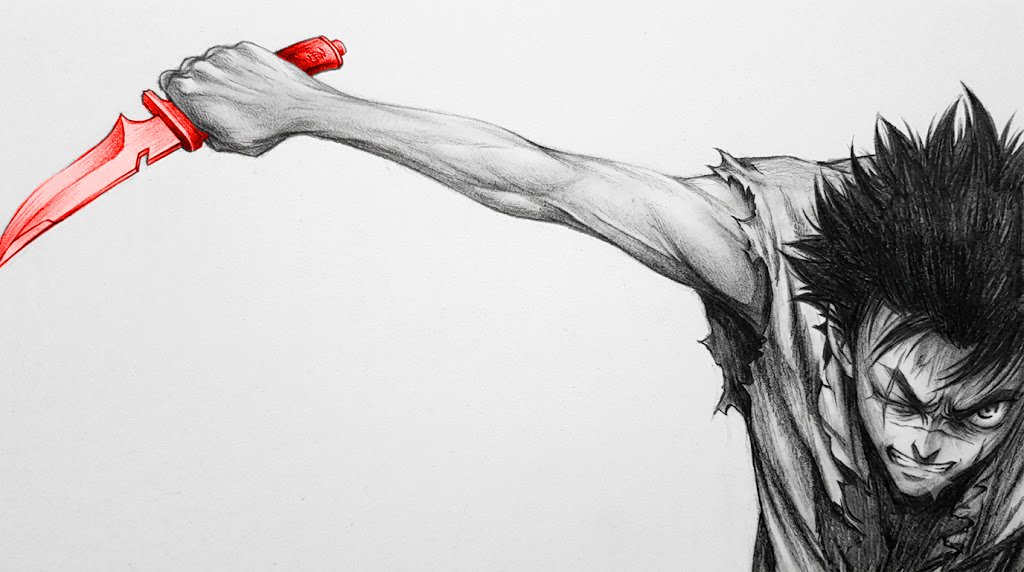
The conventional weapons in Attack on Titan: Before the Fall provide a good example of the ordered regime.
Before the Fall is an Attack on Titan spin-off set about 70 years before the events of the main story.
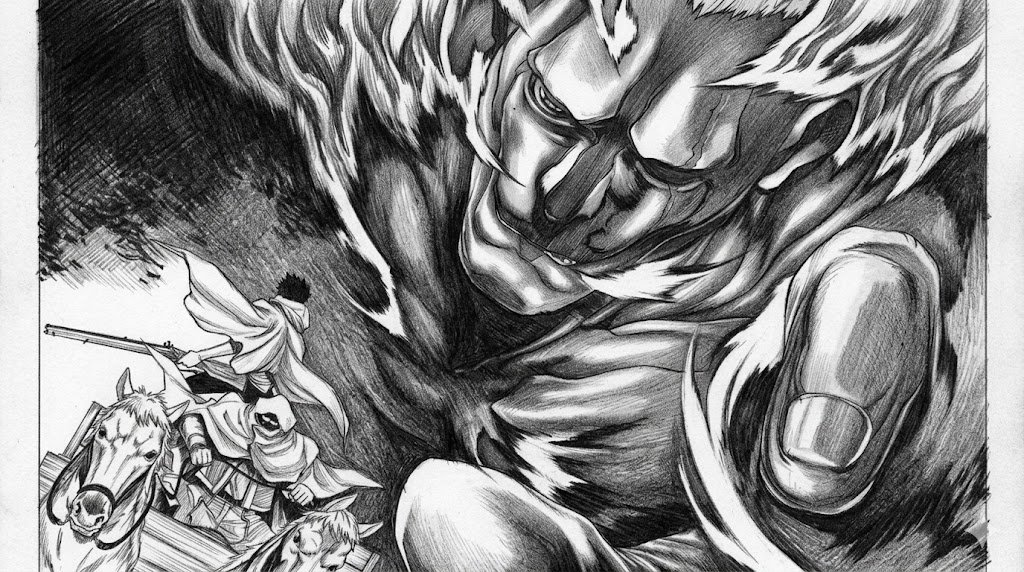
In this work, humanity still had no solution to the Titan problem.
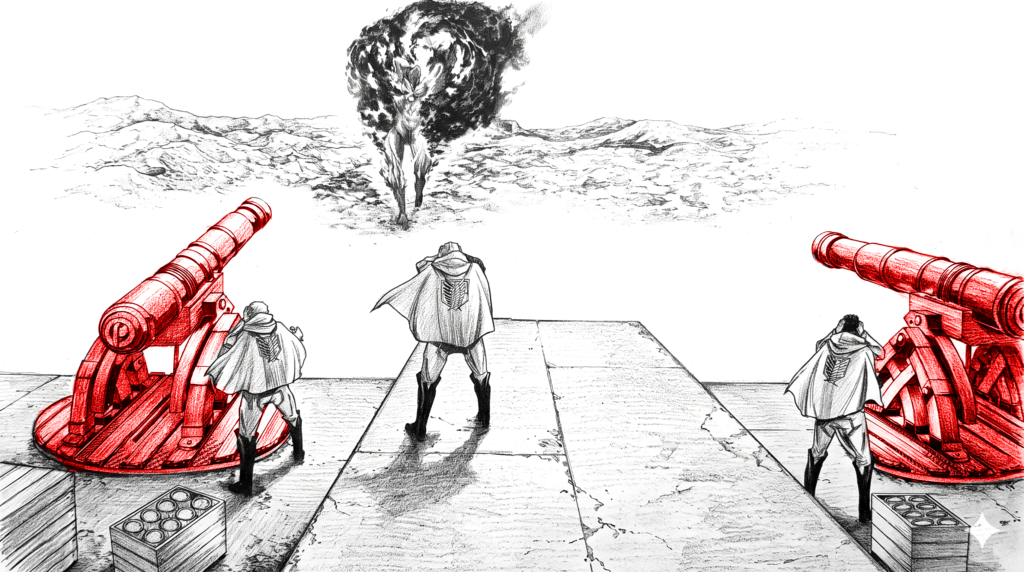
Still, they attempted to fight back against the Titans using weapons like swords, incendiary bombs, and cannons.
This was because these weapons had been repeatedly tested and proven over countless generations.
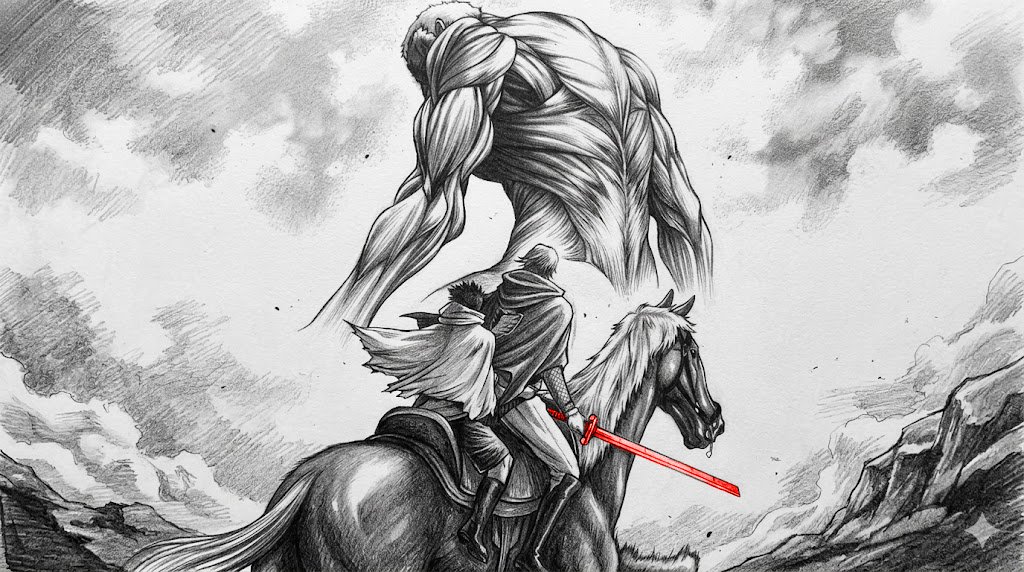
However, as the environment changed with the emergence of the Titans, conventional weapons alone could no longer solve the problem.
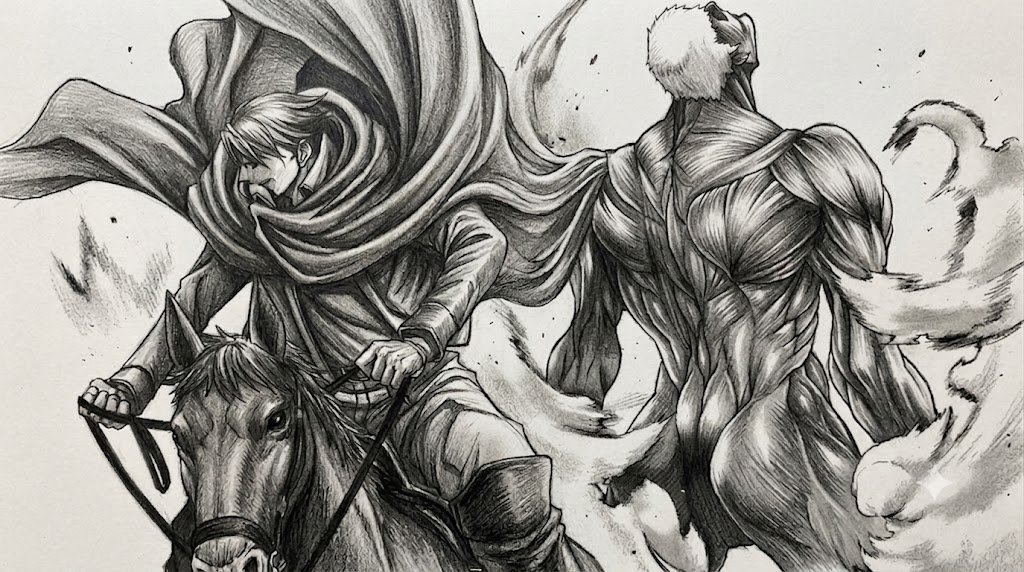
The Titans’ weak point is the nape of the neck, but humans simply couldn’t overcome the physical barrier of height.
Even worse, the Titans possessed such rapid regenerative abilities that conventional swords could barely leave a scratch.
To fight against this new threat, humanity had to come up with a completely new solution.
To do that, they needed chaos to disrupt the order of the knowledge system behind existing weapons.
2. Chaotic Regime
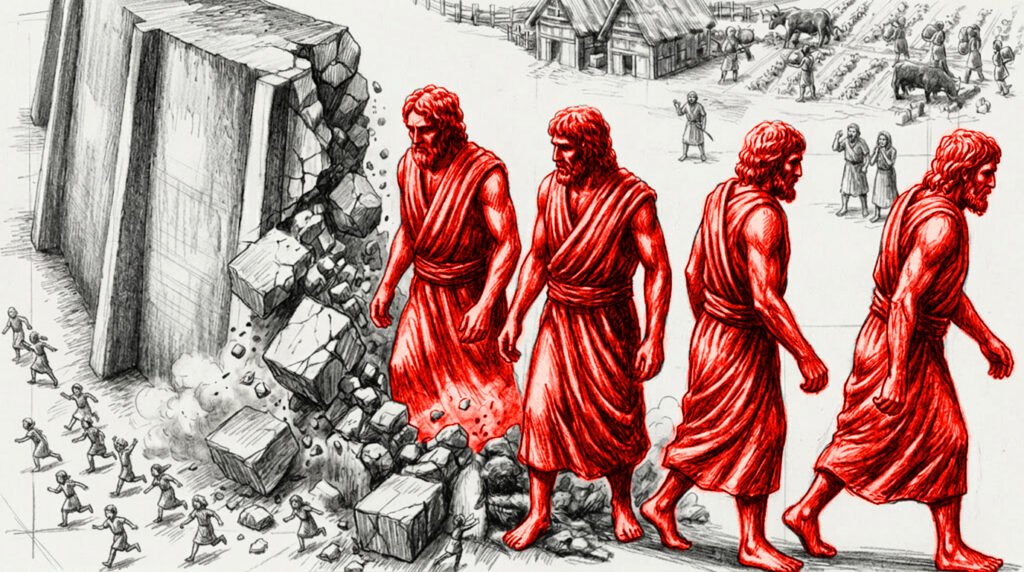
Chaos, too, has its pros and cons.
Kauffman, the complexity scientist, states that in the chaotic regime, connections between elements are so weak that the system easily shifts in response to even minor disturbances.
While this can be viewed as having rich diversity, looking at it from another angle, it can also be seen as an unpredictably fluctuating, highly unstable system.
So, why does information end up in such a scattered state, like dry branches that snap so easily?
It is because the system is filled only with unproven information, or because new ideas are integrated too indiscriminately.
The less tested an information system is in solving a specific problem, the more likely it is to lose its internal coherence and shatter into pieces depending on the situation.
Of course, in a highly turbulent environment, an information system that keeps so many possibilities open like this can lead to innovation.
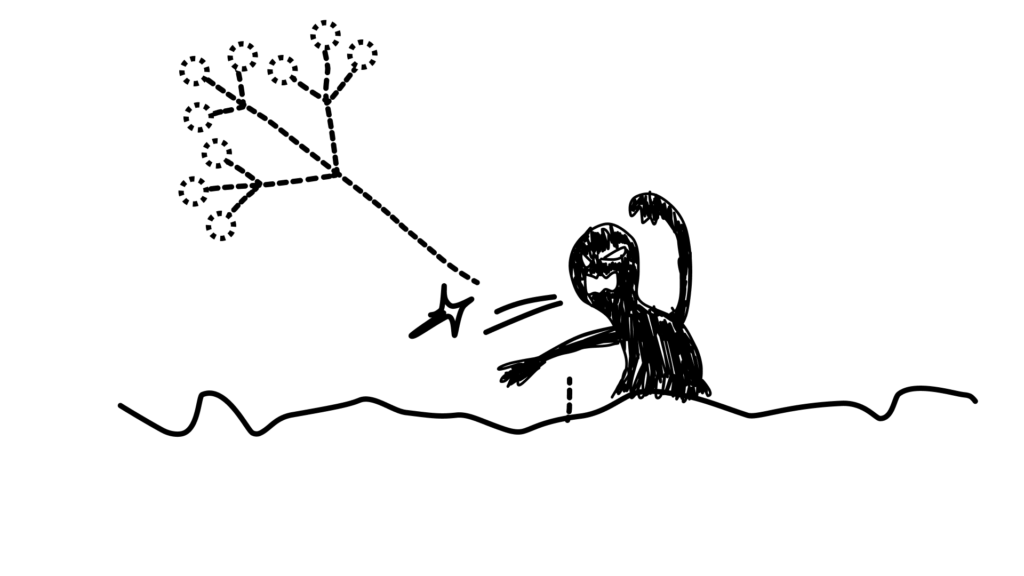
However, human systems in this state have the limitation of being unable to maintain stability against minor problems, causing them to easily crumble.
“the device,” the predecessor to the Omni-directional Mobility Gear in Attack on Titan, provides a good example of this chaotic regime.
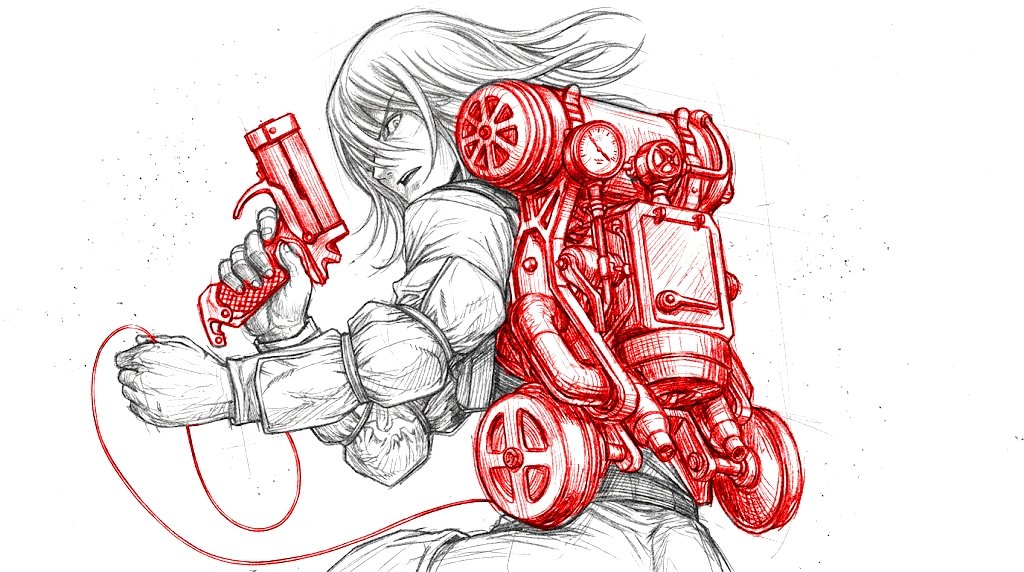
As the early model of the Omni-directional Mobility Gear, “the device” was a new weapon created by Angel, who was known as the “Inventor King” within the universe of Before the Fall.
“the device” was a solution to the problem where humans had to fight at a disadvantage from below the Titans.
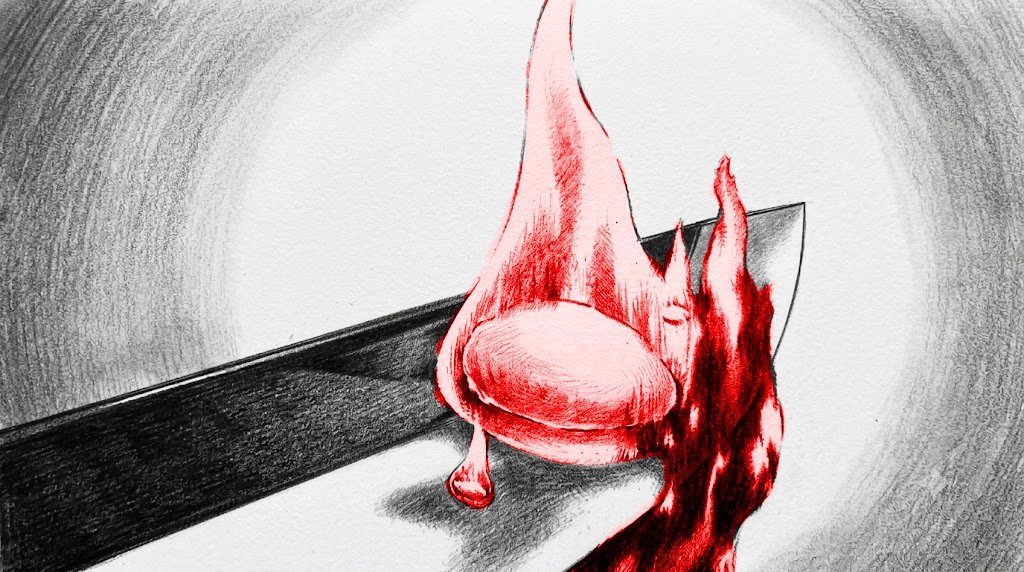
To solve this height problem, Angel utilized a new material called Iceburst Stone.
Since Iceburst Stone is a fuel with powerful explosive properties, it could allow humans to stay suspended high in the air if utilized correctly.
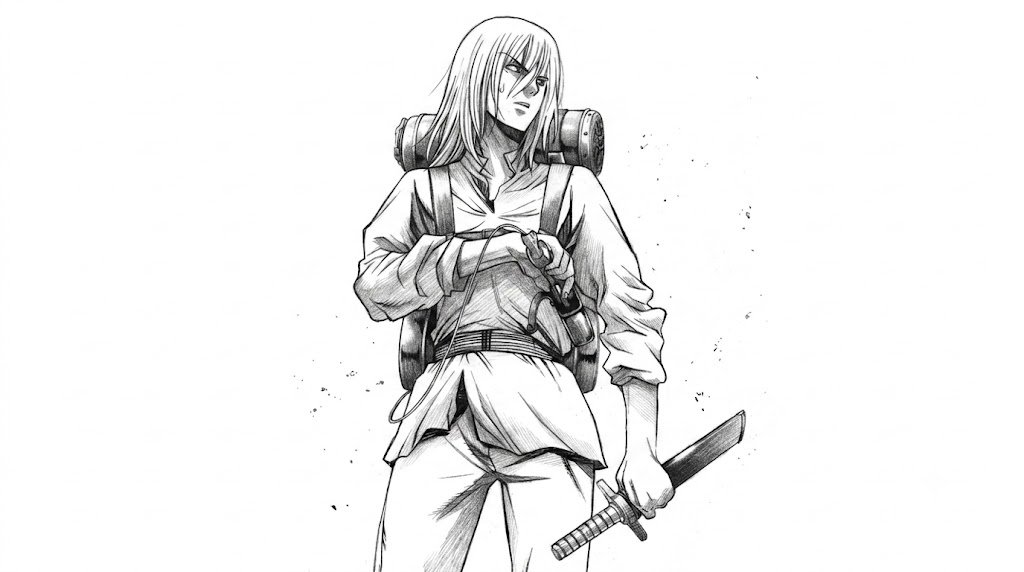
However, because this device was a brand-new solution, it required a thorough testing process.
Angel had to experience the limitations of this new weapon firsthand.
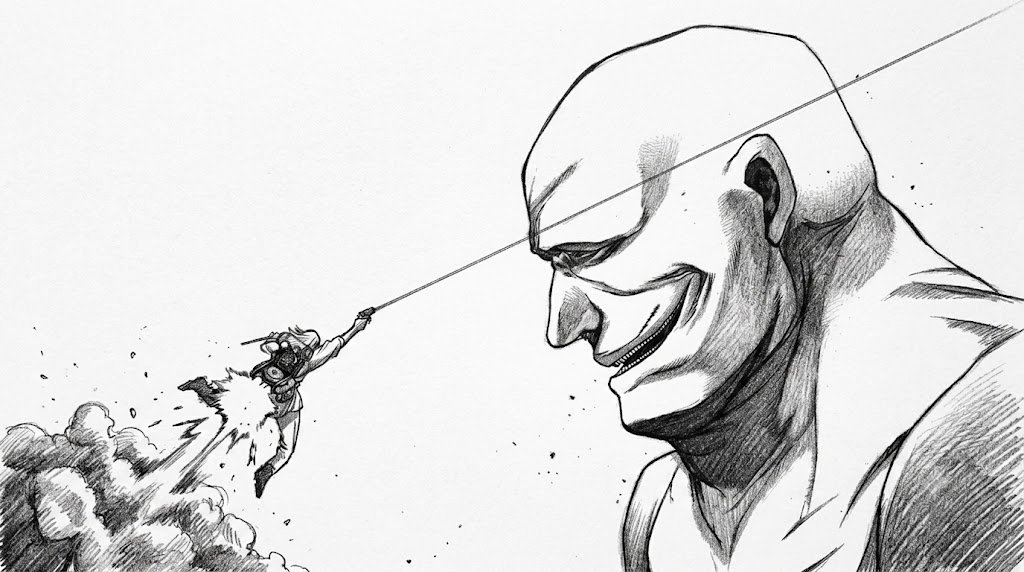
With its movement restricted to only vertical ascent and descent, the device made it difficult for Angel to face Titans in motion.
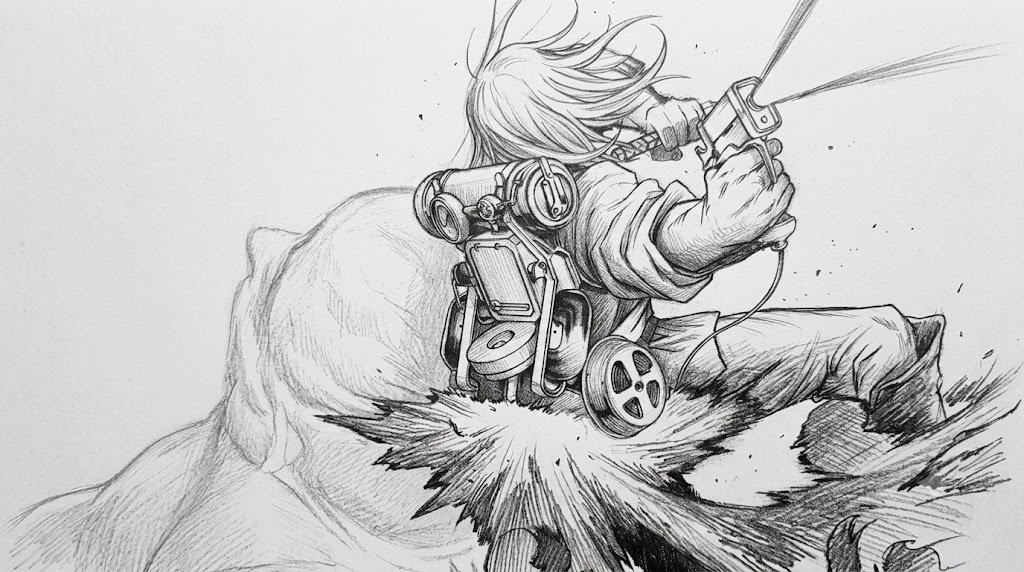
Furthermore, the device was so heavy that it looked almost like a bulky backpack.
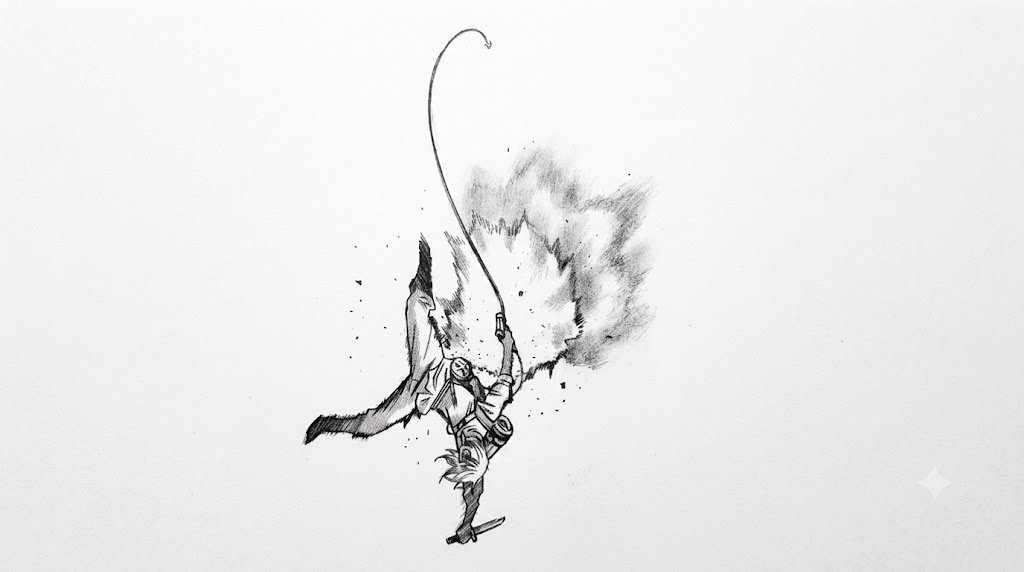
The wire was even so weak that they had a close call when it nearly snapped.
“the device” attempted to solve the Titan problem through a new method of mobility that did not exist in conventional weapons.
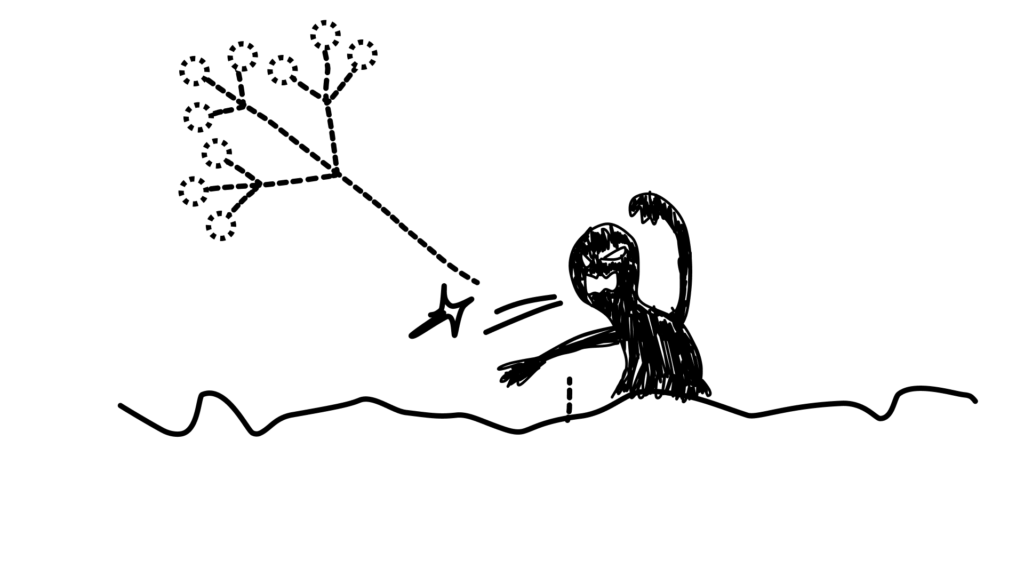
However, lacking stability, the device proved to be highly fragile.
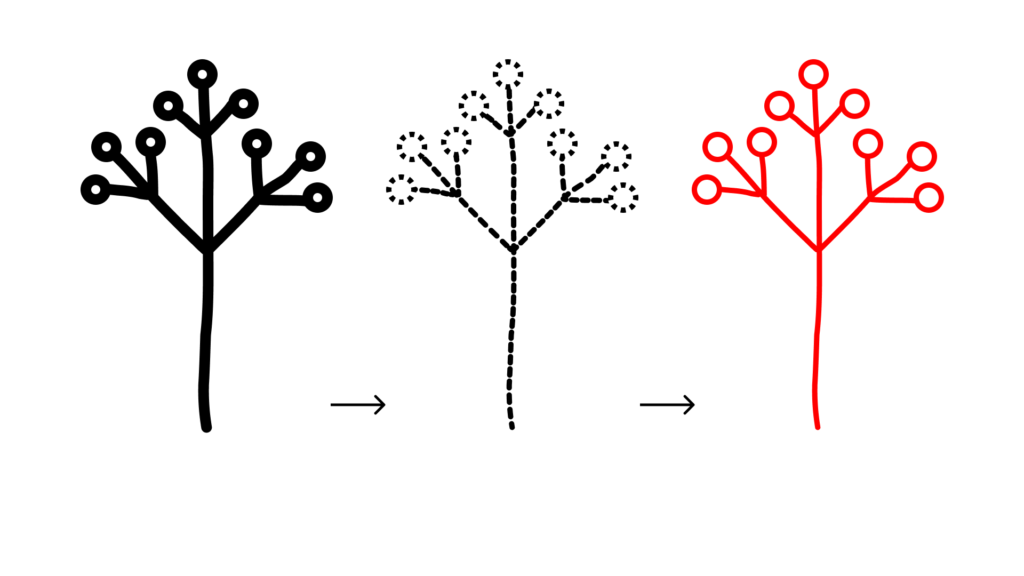
To solve this problem, we must tame the chaos within the device and reach the critical regime.
3. Critical Regime
A solution works best when it exists at the edge of chaos.
The edge of chaos is a core concept explored by the complexity scientist Stuart Kauffman.
This edge of chaos is also often described as the critical regime.
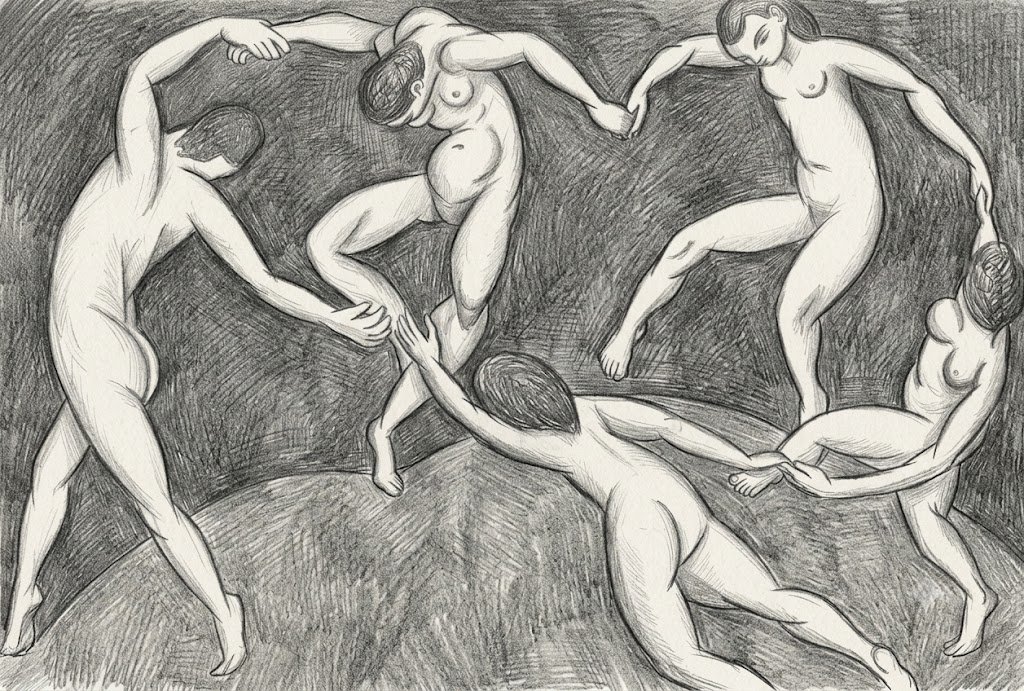
Like the painter Henri Matisse’s artwork The Dance, it describes a state of remaining on a dynamic boundary where order and chaos are delicately balanced.
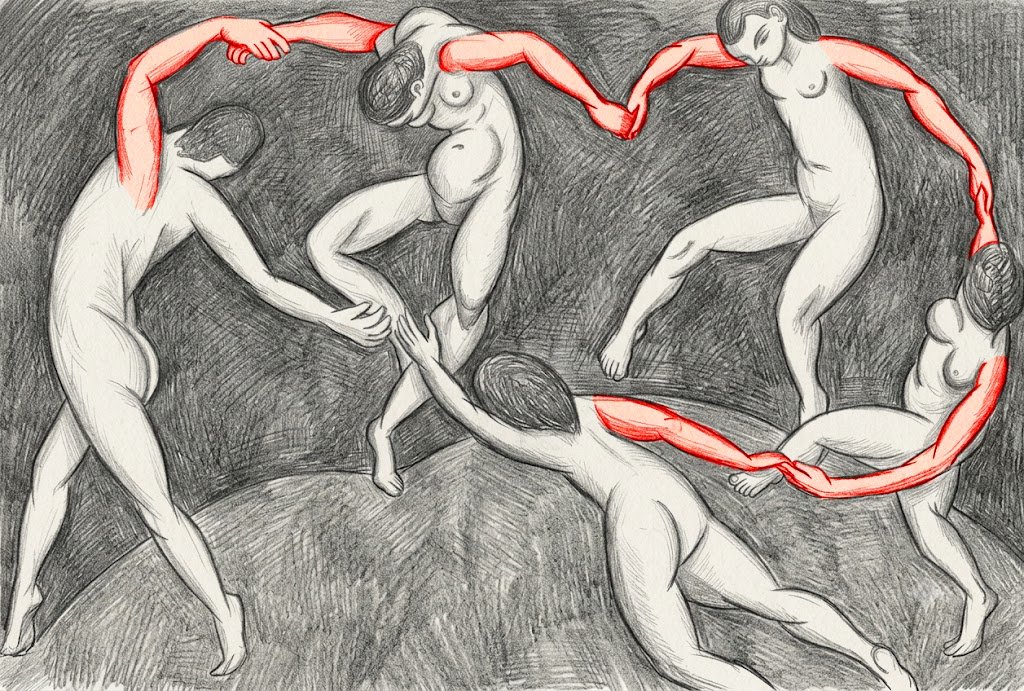
A system built this way has its rigid parts.
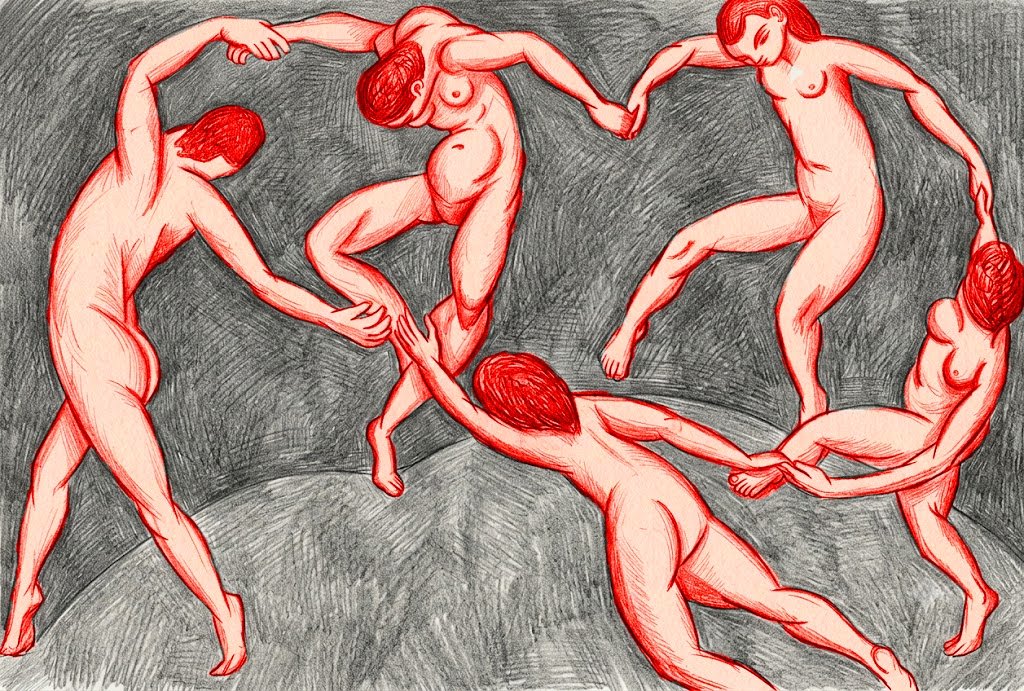
The system also has its flexible parts.
A system where rigidity and flexibility harmonize like a dance exhibits the richest and most highly organized behavior.
So, how does an information system reach a state that is both rigid and flexible, like a supple, resilient branch?
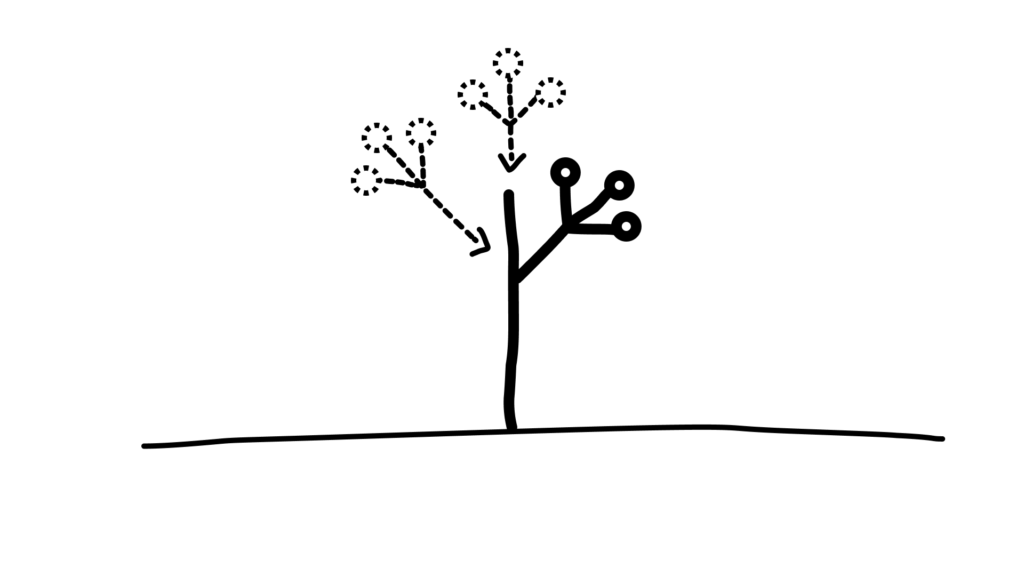
It requires a constant influx of new information, balanced in just the right proportion and built upon a solidly proven foundation.
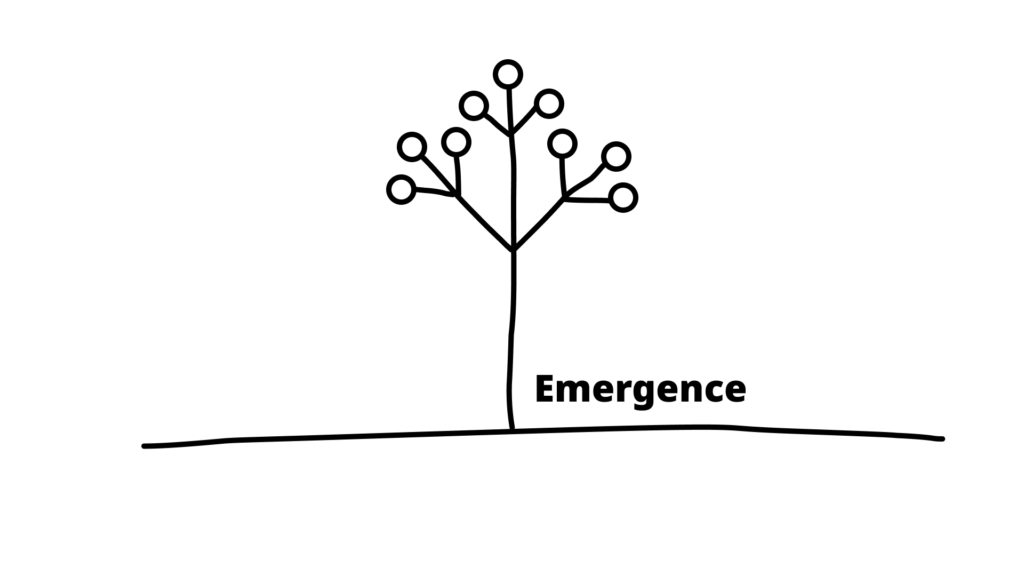
Furthermore, it is only when the system is in this state that “emergence”—where something genuinely new arises—finally occurs.
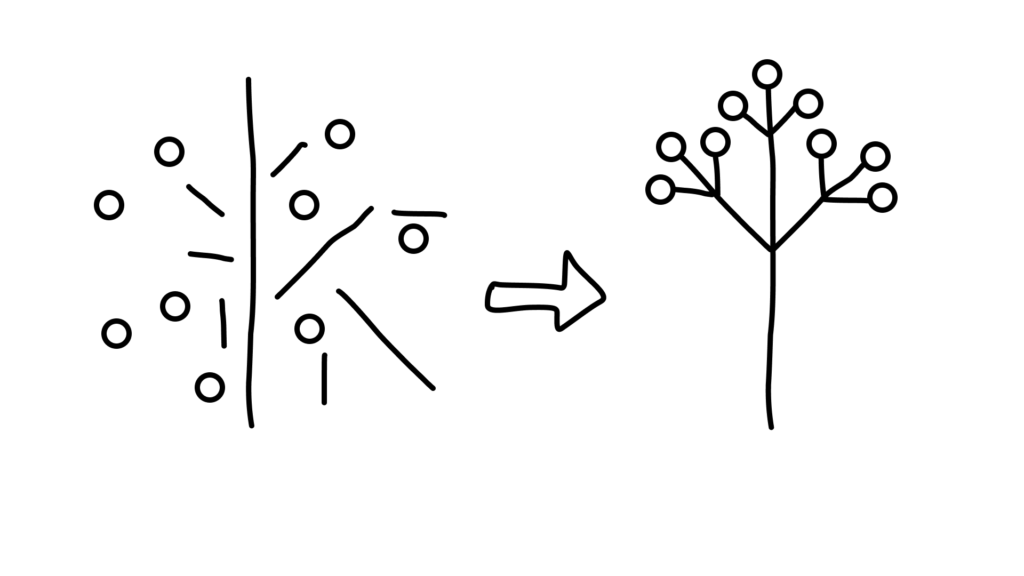
Through emergence, individual elements interact closely with one another, self-organizing to produce new higher-level properties that could never be seen in the individual parts alone.
An information system that has become a living whole beyond its individual parts can solve problems that require both stability and adaptability.
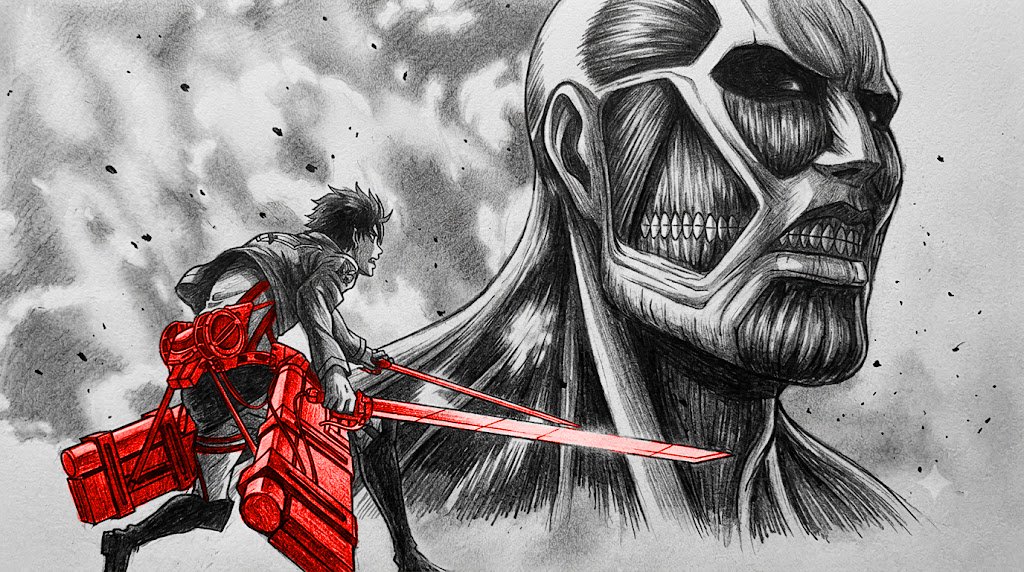
The Omni-directional Mobility Gear in Attack on Titan is a perfect example of this.
The Omni-directional Mobility Gear is a weapon that has reached the critical regime, where chaos and order are delicately balanced.
Within the Omni-directional Mobility Gear lies a completely new idea, akin to chaos.
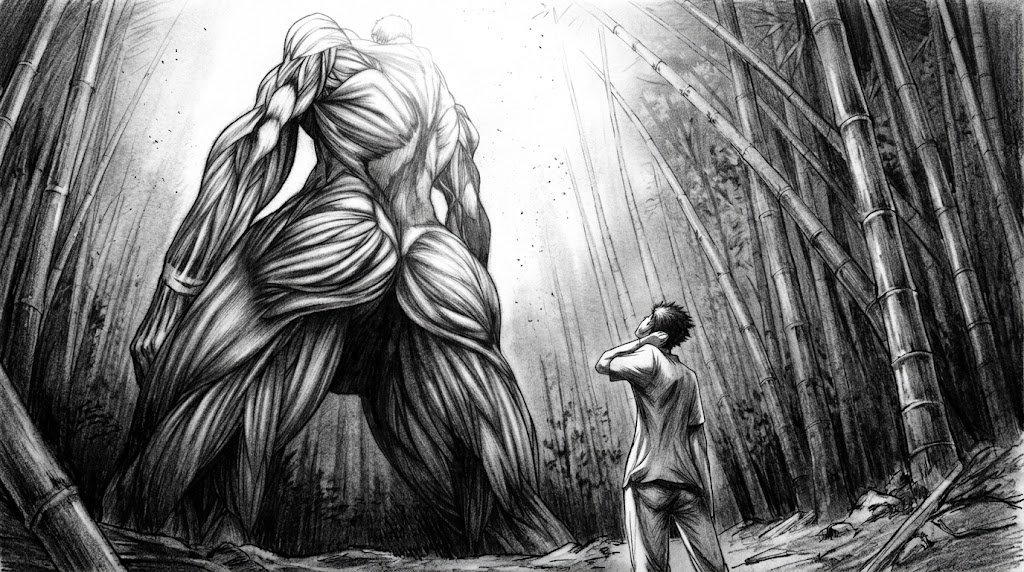
Until then, no one had ever proposed the idea of “humans rapidly ascending to the height of a Titan’s neck to launch an attack.”
However, because the feasibility of this new concept had not yet been proven, it lacked inherent stability.
To add order to this chaos, improvement through a rigorous testing process was required.
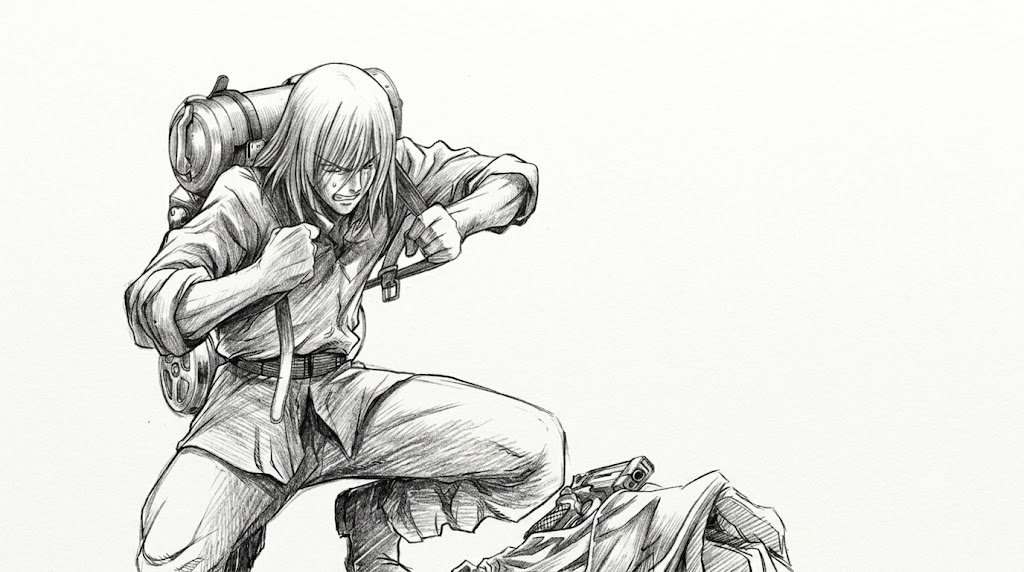
Although Angel, the inventor of the device, conducted the initial testing himself, a successor was needed to carry on this role after Angel became unable to fight.
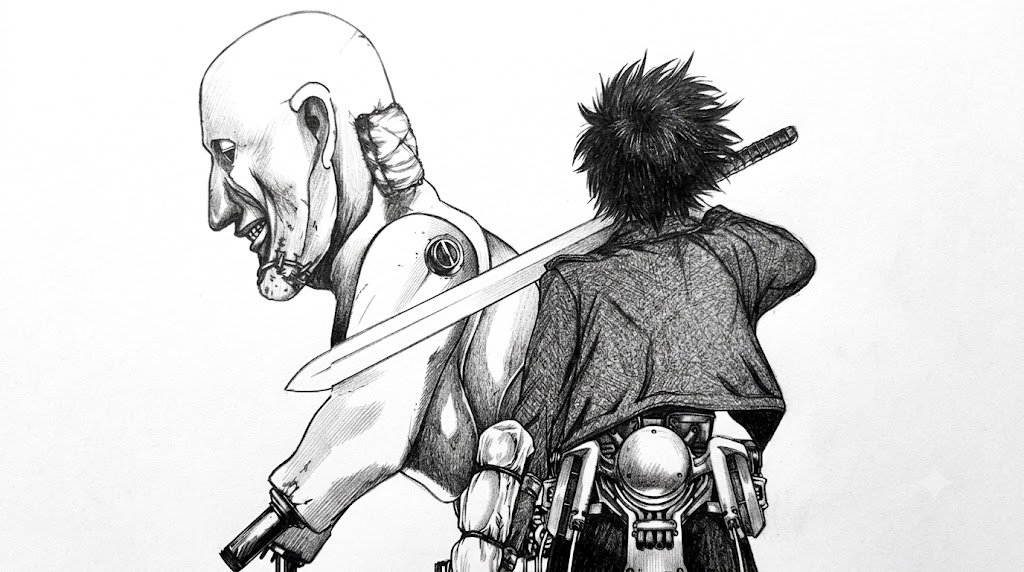
And after a significant amount of time, that responsibility is passed down to Kyklo.
Through this testing process, various issues regarding the device’s wires, weight, durability, and maneuverability were discovered.
Also, as these issues were refined, order gradually emerged from the chaos.
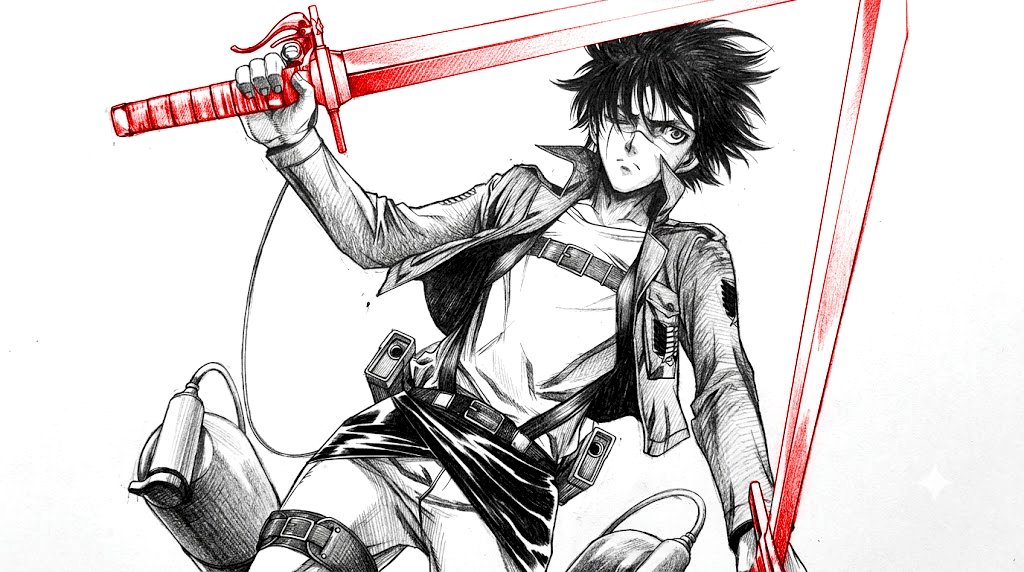
Unlike its predecessors—the device and the new model—the Omni-directional Mobility Gear was the first to introduce a new higher-level capability: the freedom to use both hands.
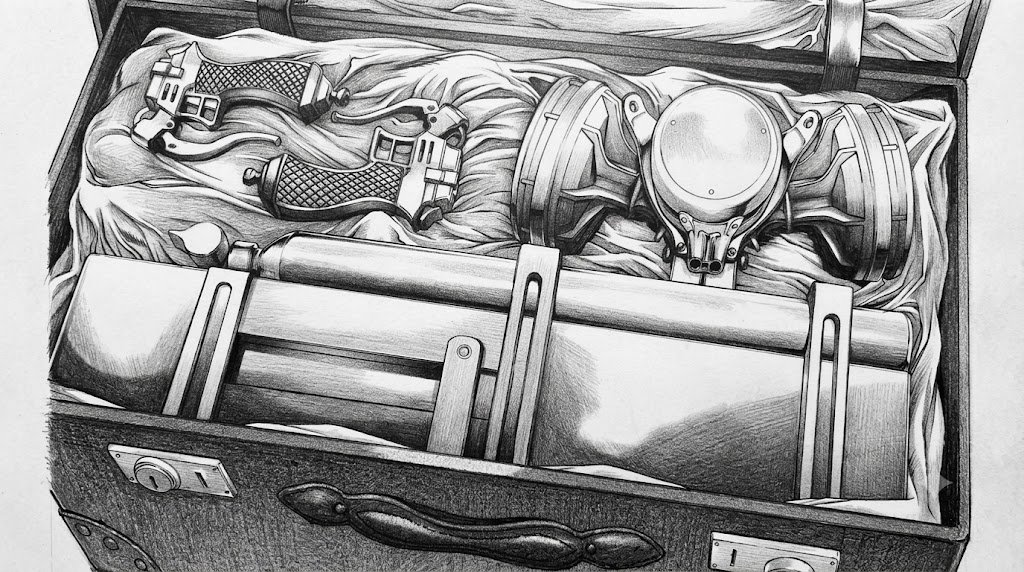
Furthermore, having reached the critical regime, the Omni-directional Mobility Gear begins to evolve in response to environmental changes.
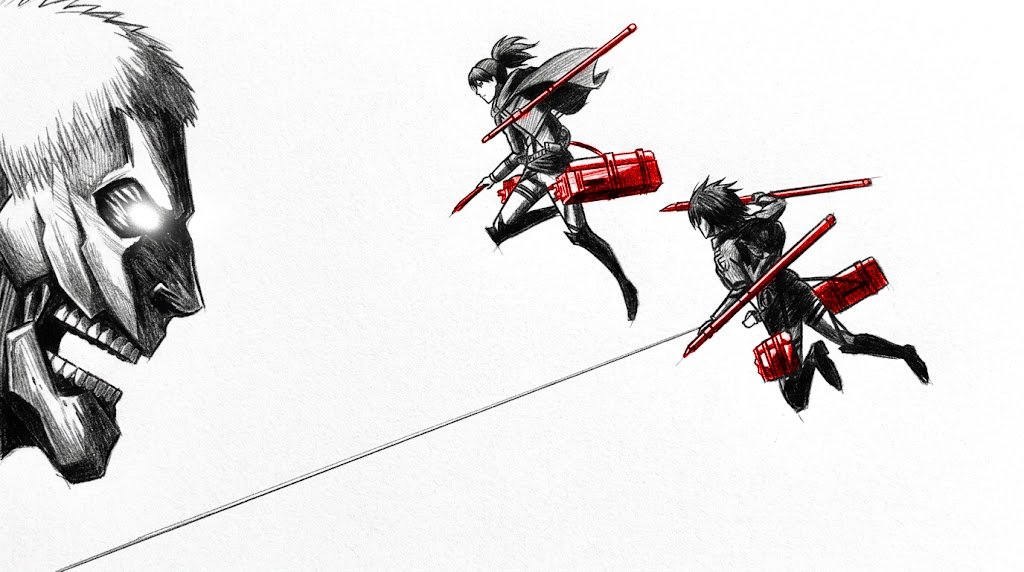
When the Armored Titan appeared, Thunder Spears, mounted on the Omni-directional Mobility Gear, were introduced.
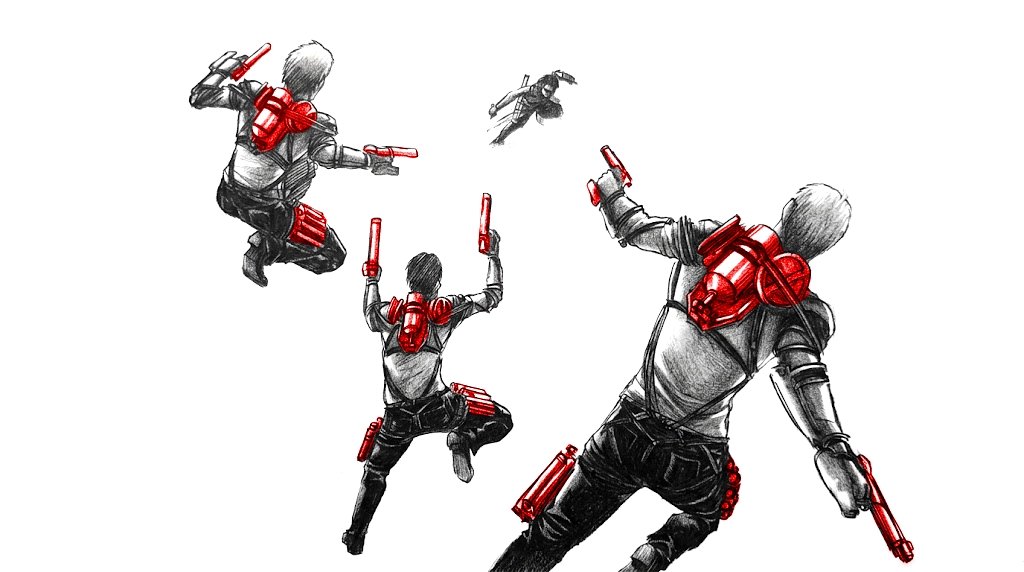
When combat against other humans became critical, the Anti-personnel Omni-directional Mobility Gear, equipped with firearms, was also created.
As such, while the critical regime is difficult to reach, once a system attains it, order and structure emerge spontaneously.
Kauffman viewed this as a universal principle that applies broadly to all complex systems, including biological, technological, and economic systems.
So, how can we apply this principle to our own lives?
How do we build a living information system to solve the problems right in front of us?
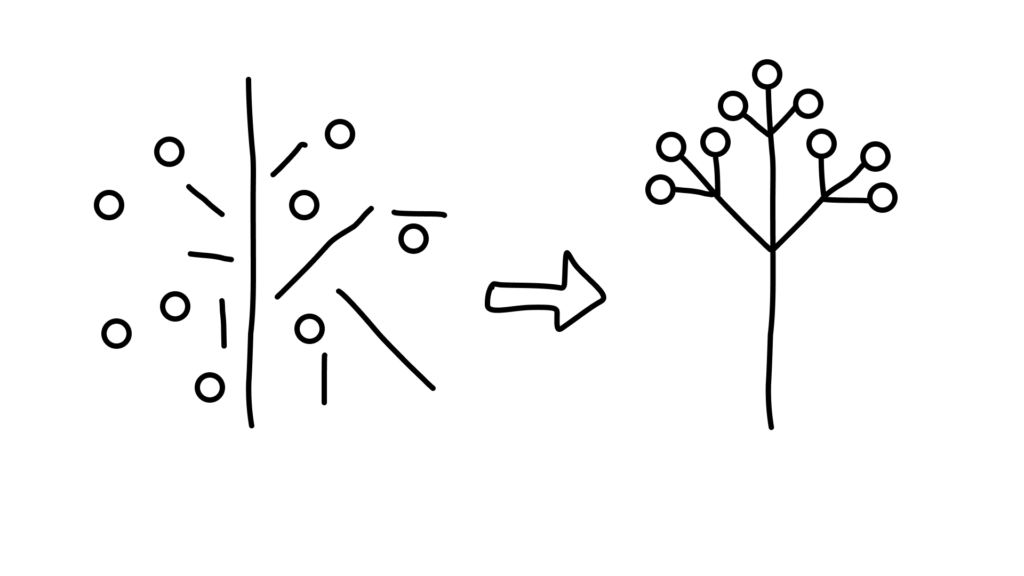
We must be able to gather and organize information.
First, let’s look at how to gather information.
“You can watch the full version on YouTube ‘Mutant Creativity, vol 4-1’