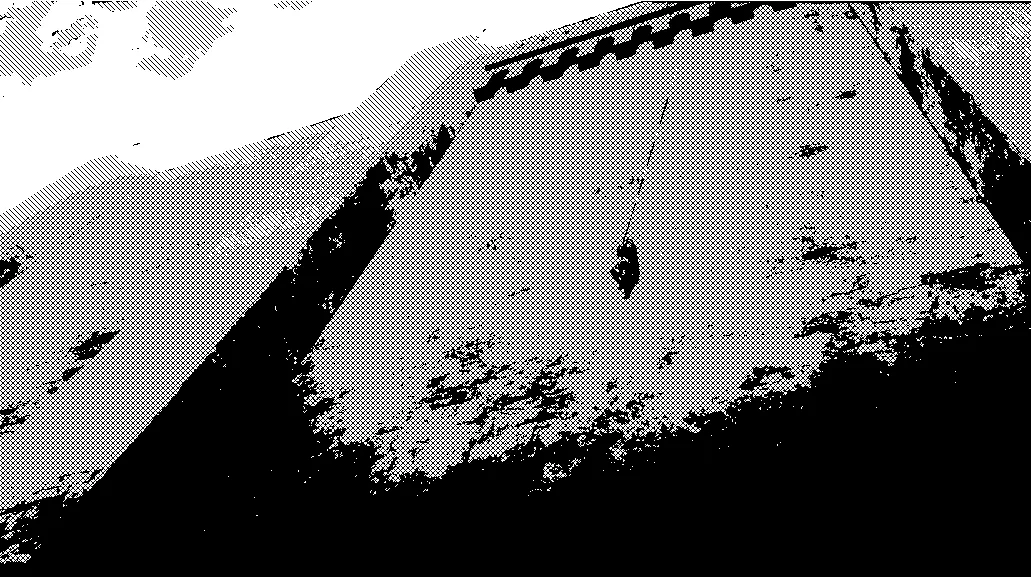
Why are we forced to fight an uphill battle in reality?
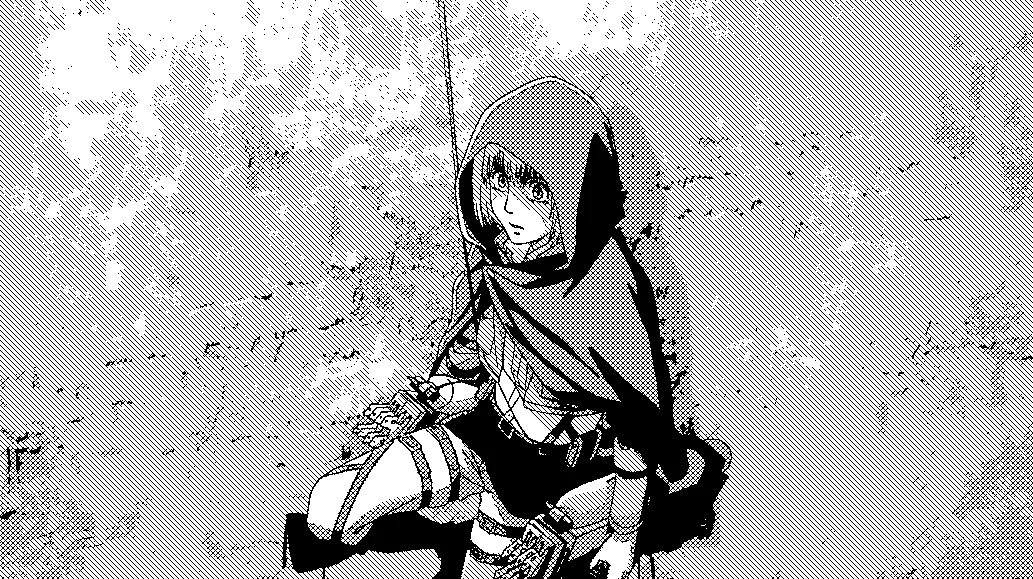
In the manga Attack on Titan, there is a scene where Armin realizes the reason.
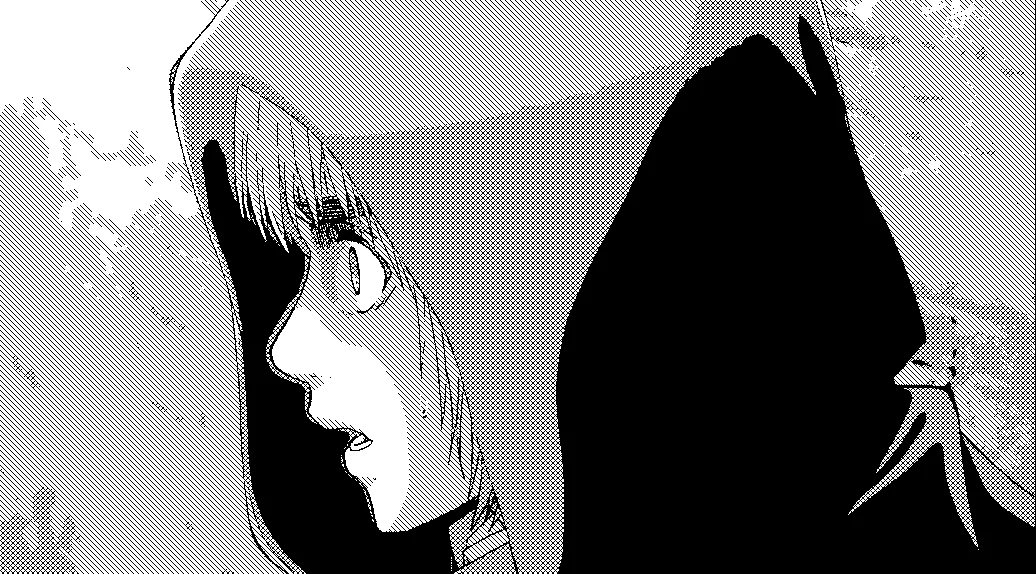
Armin says that the enemy has always attacked us with outrageous tactics.
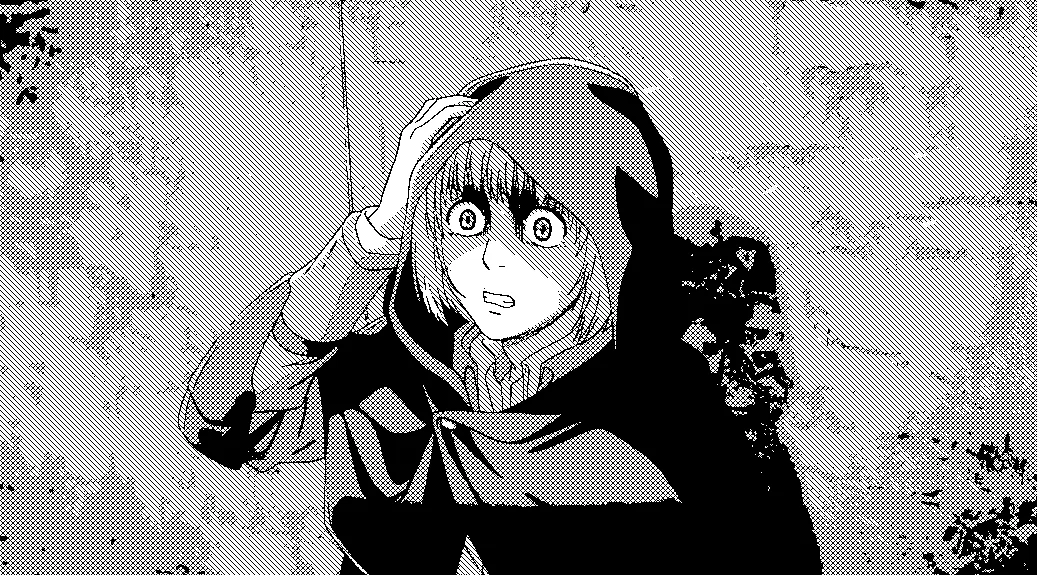
He says that the reason we are forced to fight at a disadvantage against them is because we lack information about the Titans. Then, how can humans overcome the problem of lacking information and solve enormous problems?
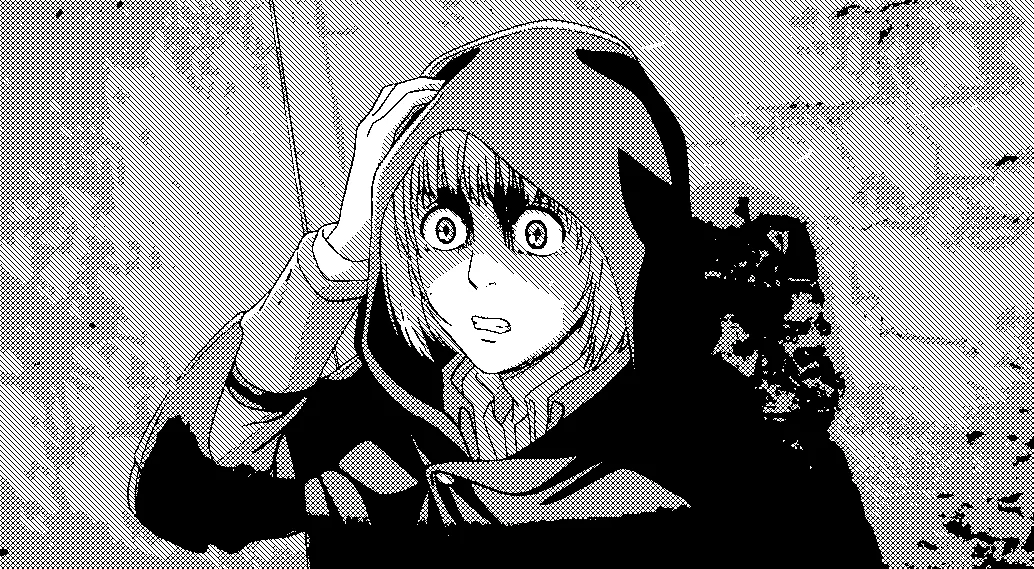
It is a wartime situation, so time is running out.
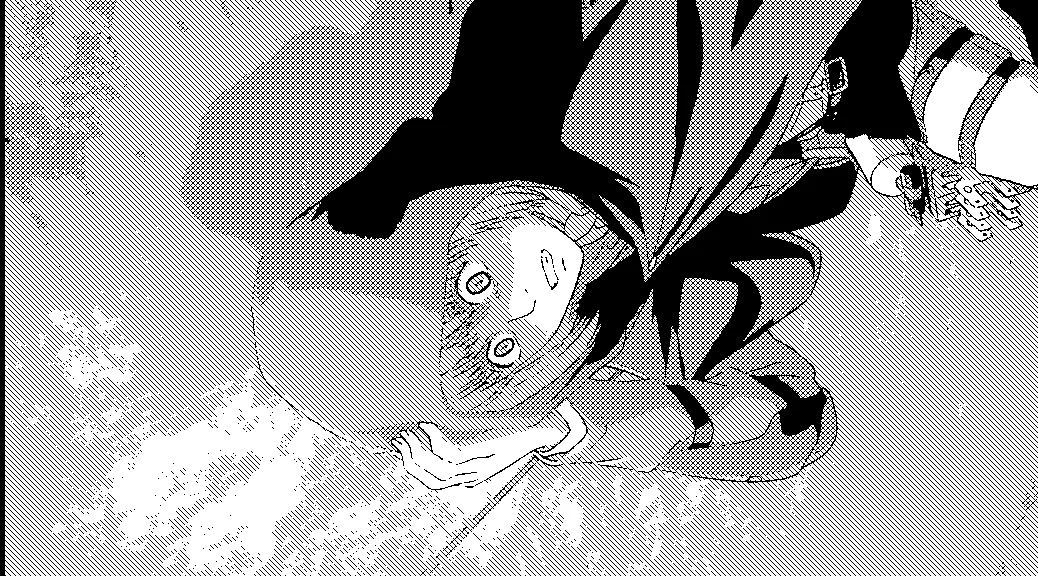
A massive problem seems ready to overwhelm us at any moment.
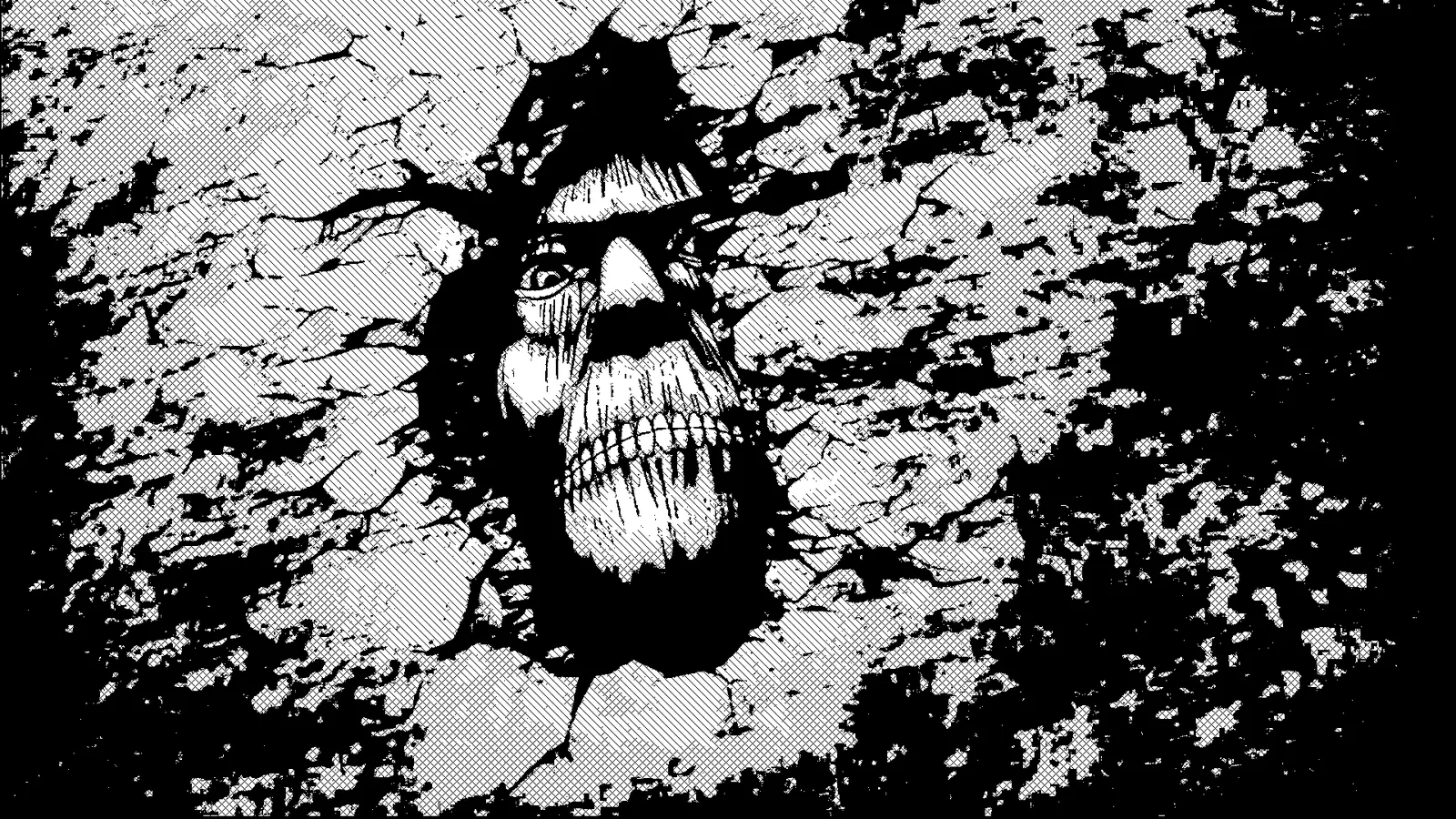
What if you are in a situation where you do not even know the nature or weakness of the problem?
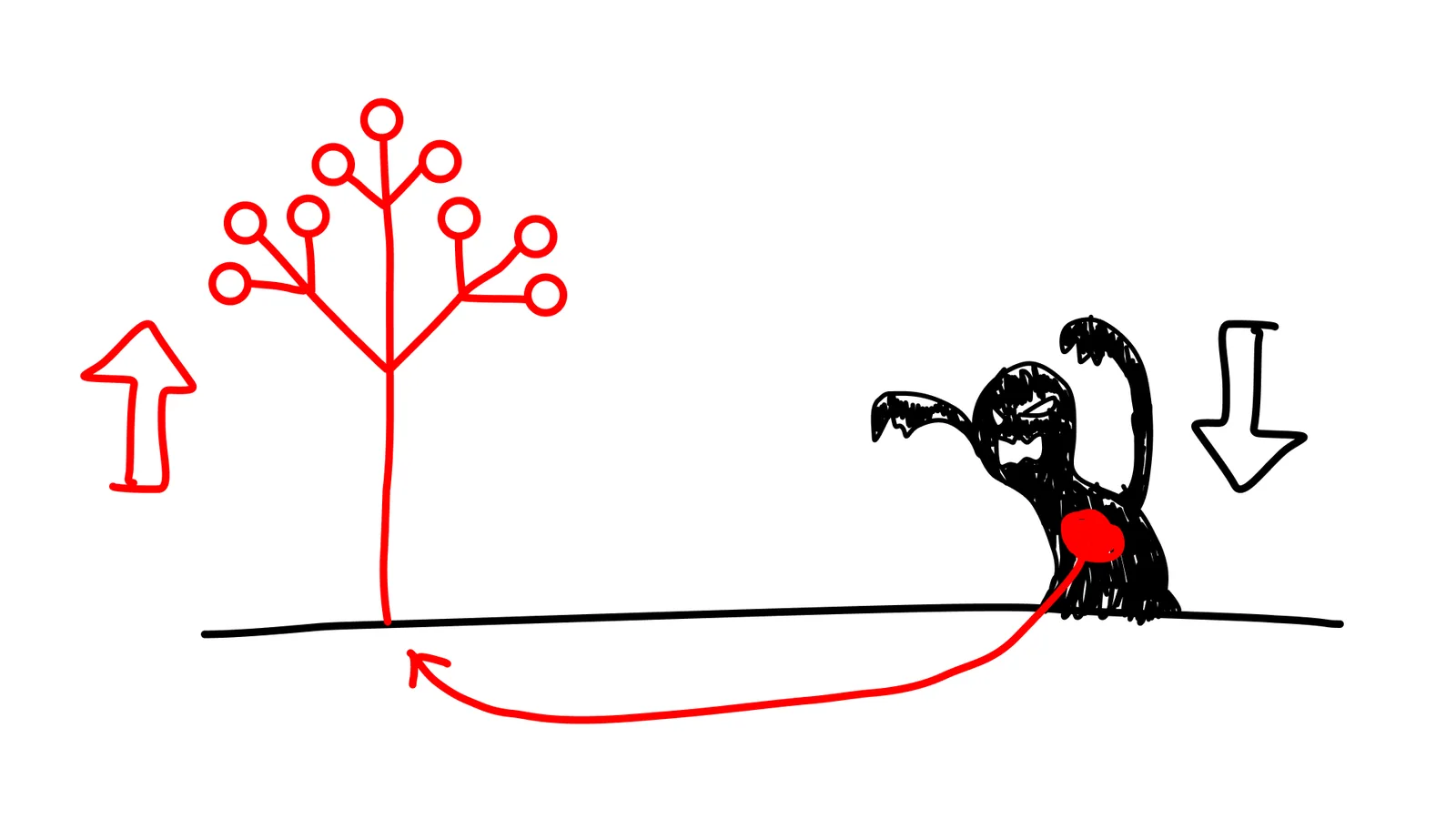
We must become gardeners capable of cultivating our thoughts enough to solve enormous problems.
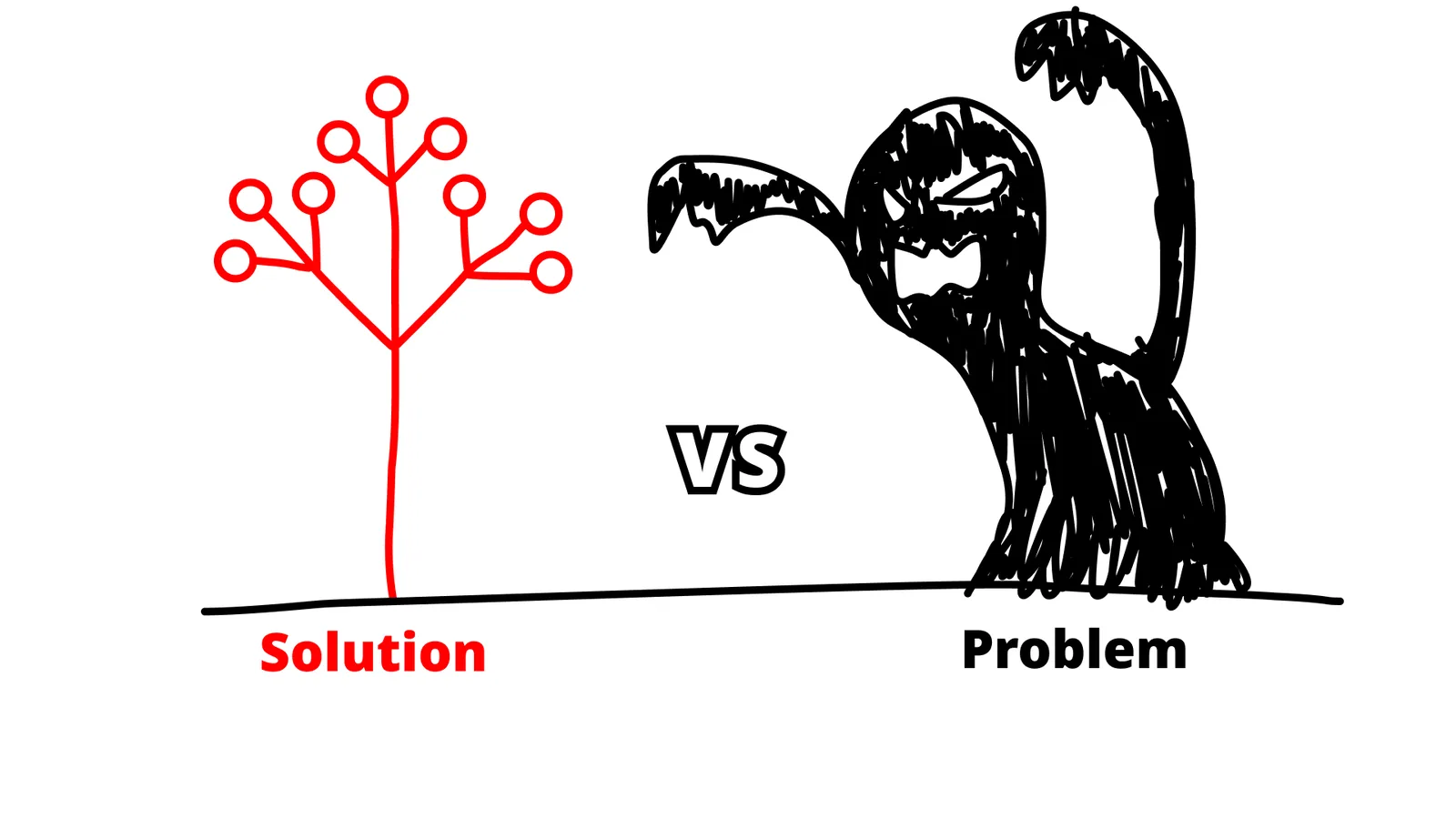
Thoughts have a lot in common with trees.

Marvin Minsky, often called the father of AI, also compared thoughts to trees.
He used trees to make the structure of thought easier to visualize and understand.

Minsky said that people retrieve and use this tree from memory to solve the problems right in front of them. However, something seems strange.

Memory belongs to the past.

We have to face new problems in our daily lives, so how can we solve new problems using memories from the past?

The reason is that even though memories come from the past, the connections between them can be new.

Minsky called the smallest units of thought in a memory tree "agents."

And he called the links that help reactivate these agents "K-lines."

K stands for knowledge.

In our tree of knowledge, they correspond to the branches that connect related ideas.

The reason we need K-lines is to make it easier to retrieve and use relevant memories.

For example, let's say we are facing a problem where a Titan is chasing us.
In an urgent situation with a Titan chasing us, we would need to quickly activate only the necessary agents rather than activating all of them.

However, if we had to find and activate each agent one by one every time we encountered a problem, it would take longer for a solution to come to mind.
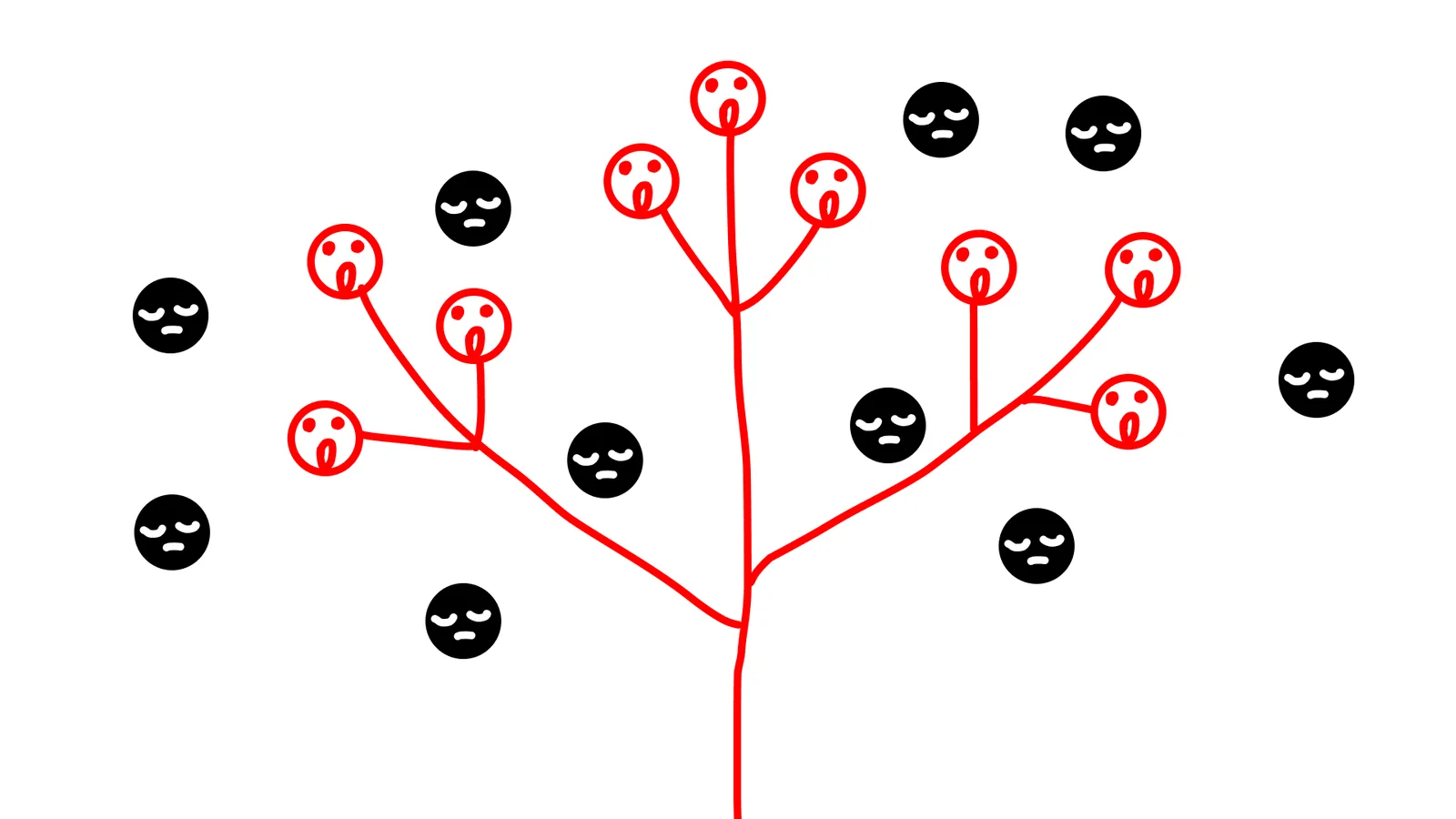
When we successfully solve a problem, remembering the agents related to it and linking them together makes things easier.
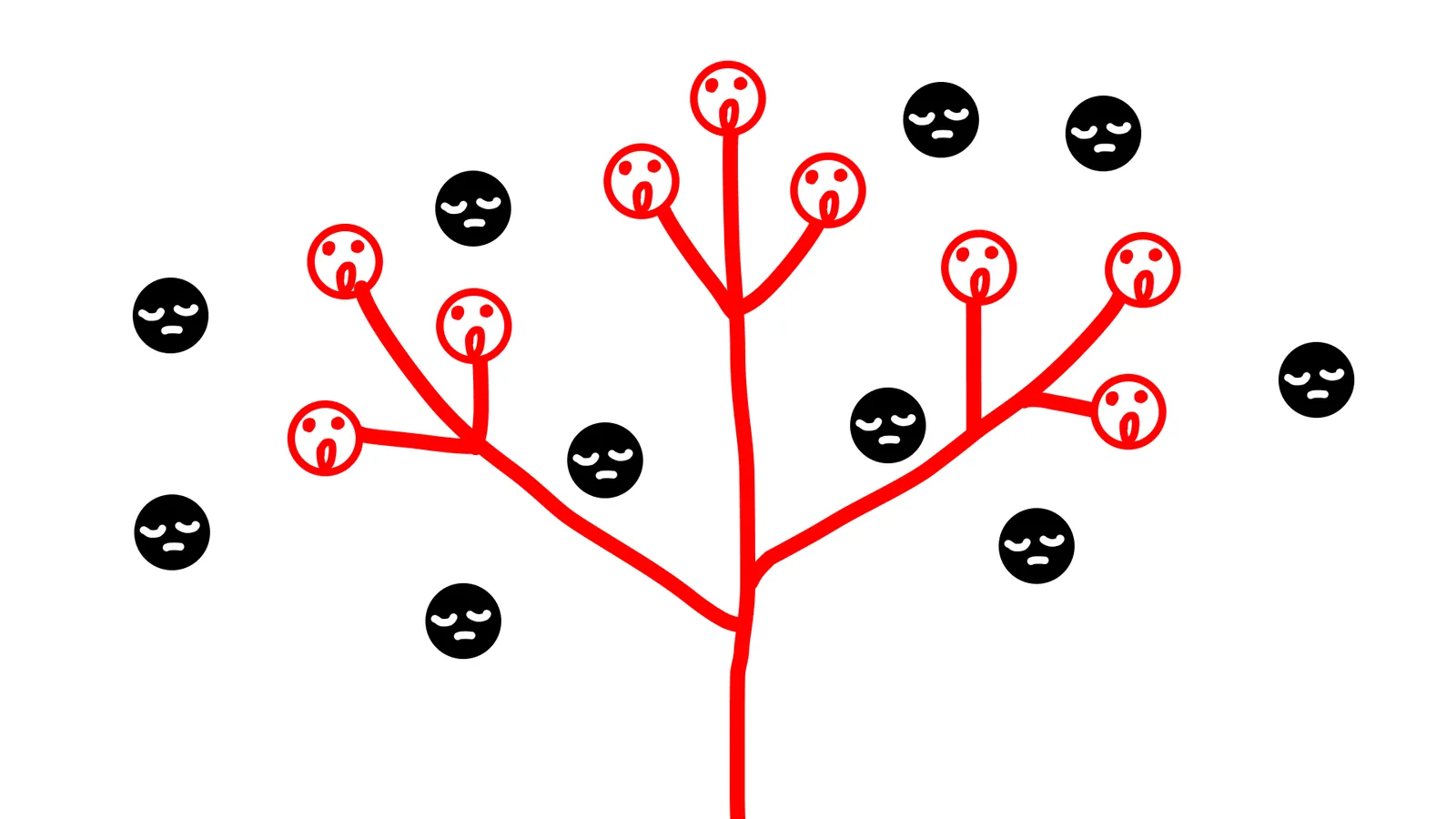
The more experience we accumulate, the stronger these connections become, and the easier they are to find quickly.

If we organize them this way, when we face a similar problem, we can retrieve the relevant connections and quickly recall the memories we need.

This connection is a K-line.

Humans organize K-lines to structure memories in a tree-like form and solve various problems.
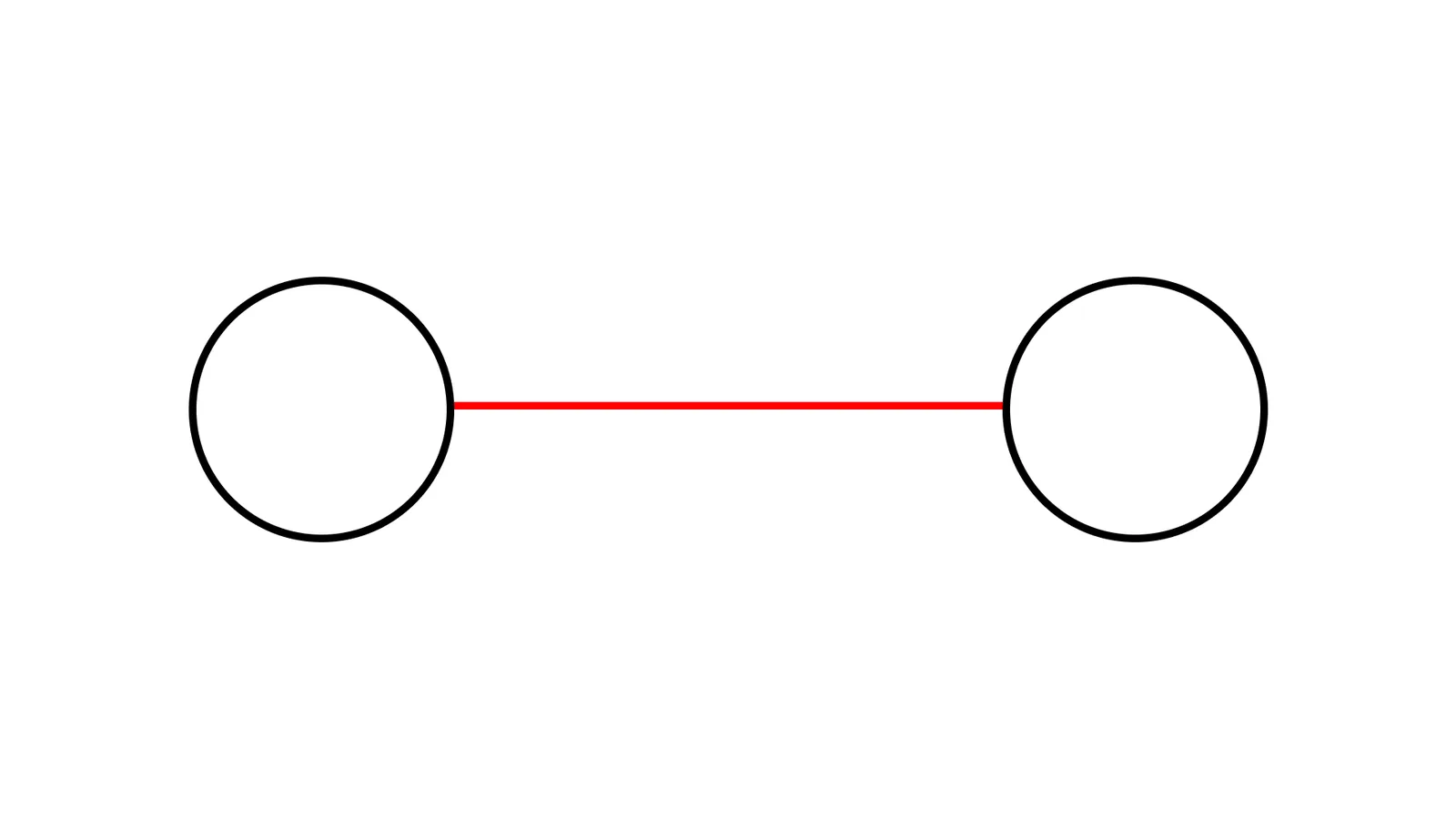
New solutions do not simply come from creating new agents of thought, but from recombining past experiences in new ways.
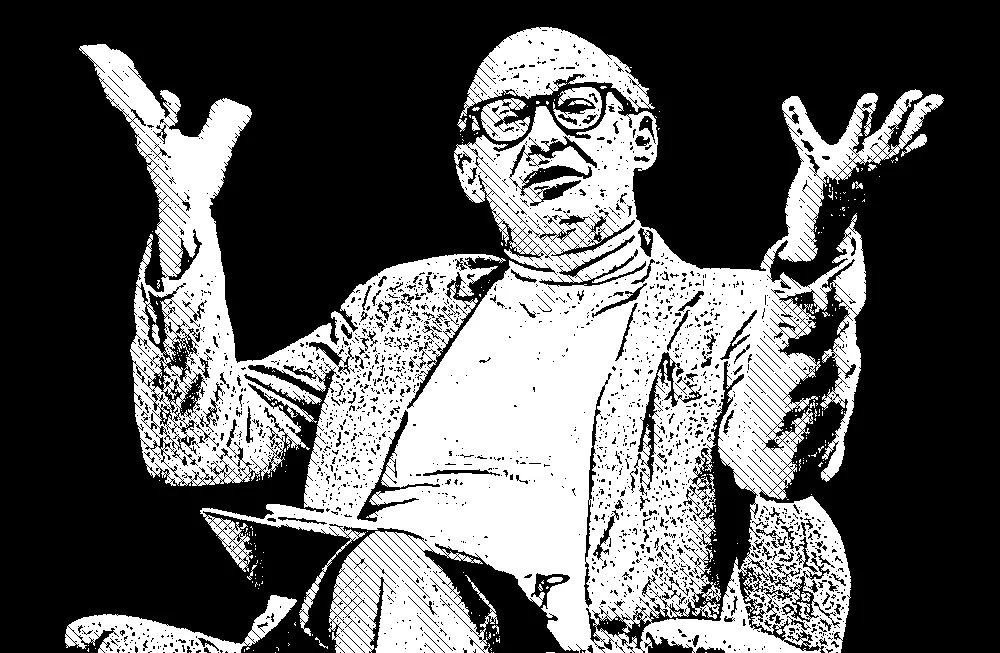
Minsky believed that a genius is not someone inherently special, but someone who knows how to combine ordinary abilities to create an extraordinary system.
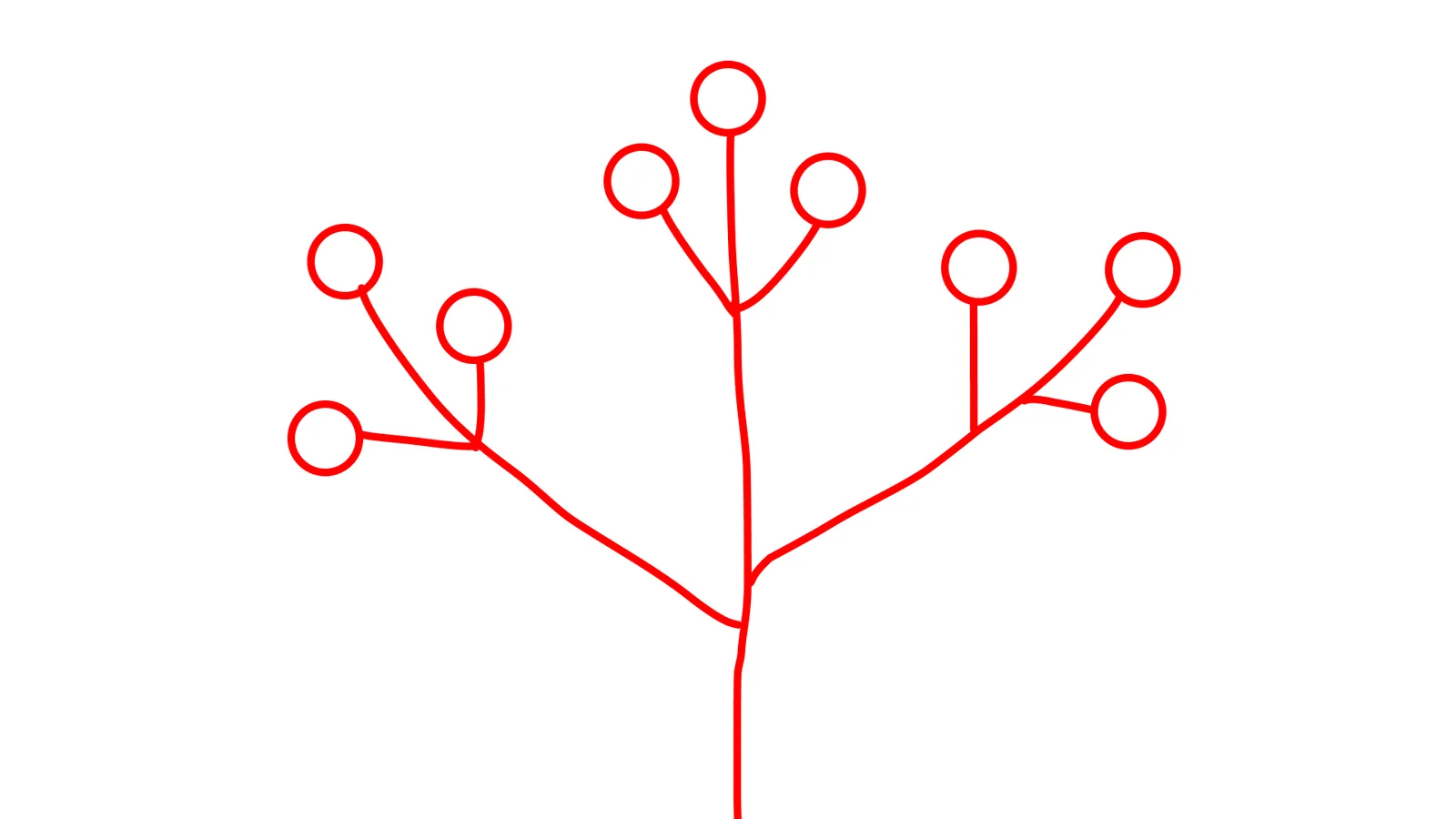
Then, how did Minsky think we should create such an extraordinary system? To understand this, we must learn how to manage the branches of the tree of knowledge.

To solve complex problems, we must become gardeners who manage a forest of thought.

In this video, we'll cover three ways to manage these branches.
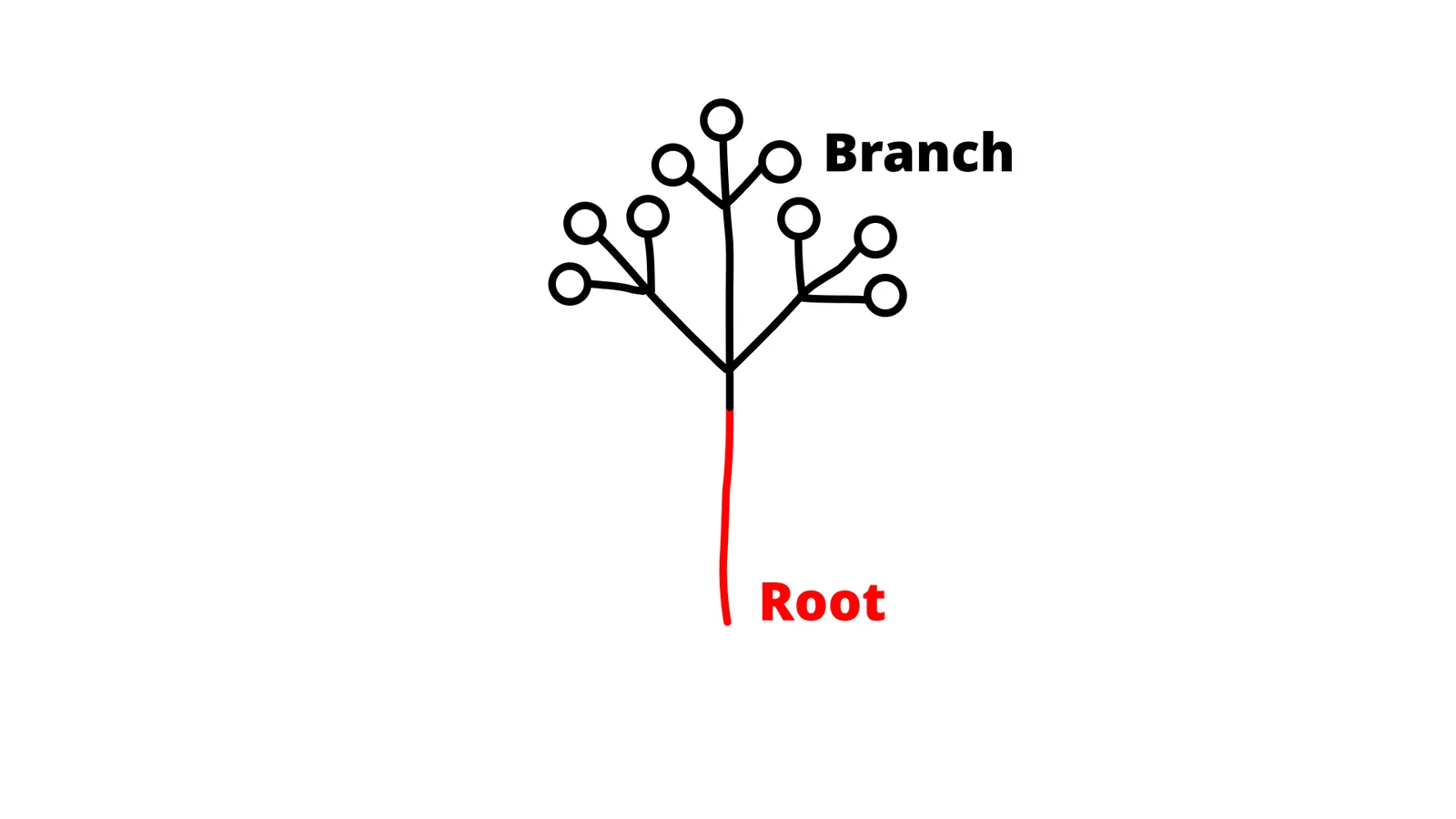
The first is how to manage the roots and branches of the tree of knowledge.
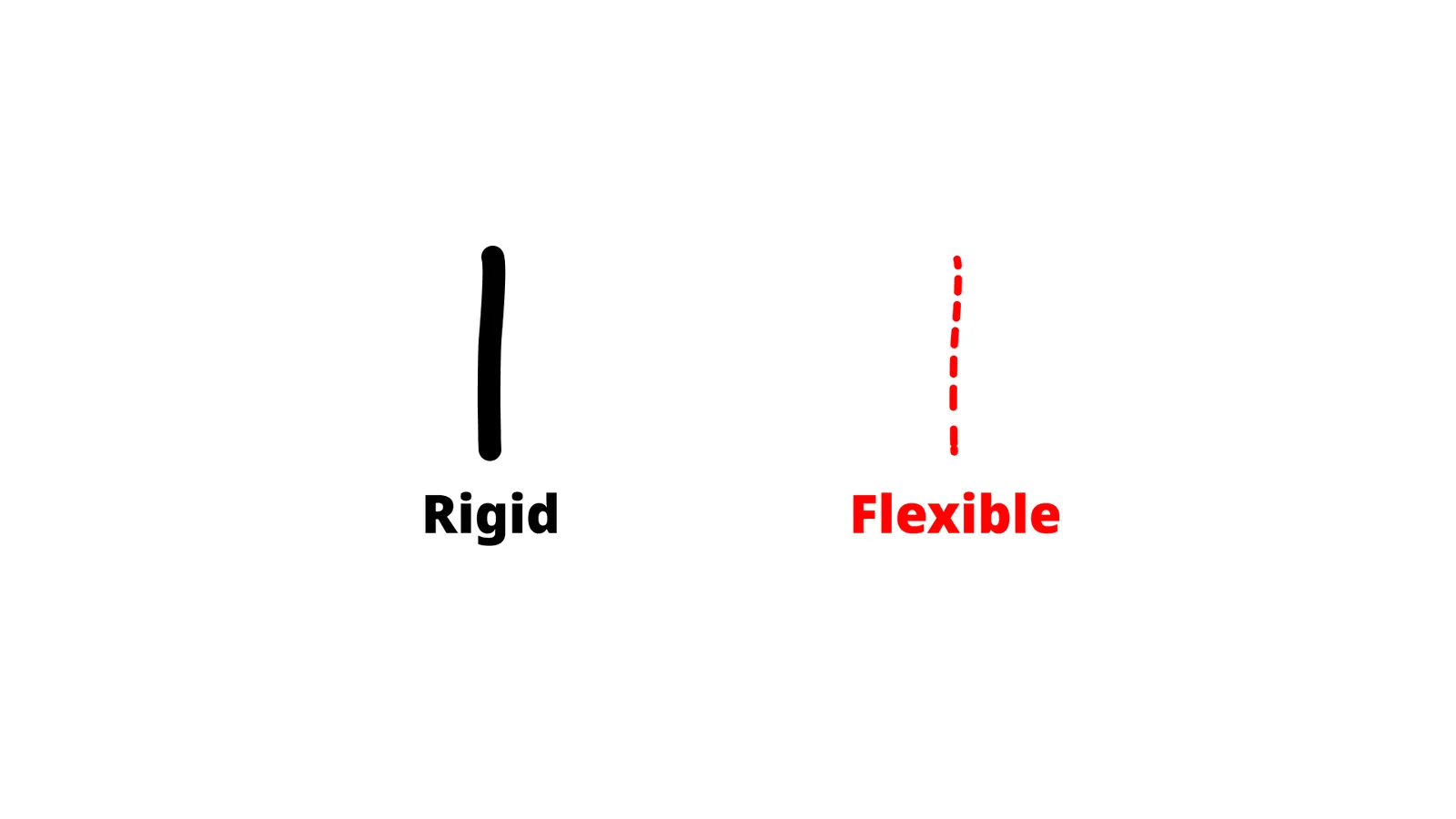
The second is how to manage the thickness of the tree of knowledge.
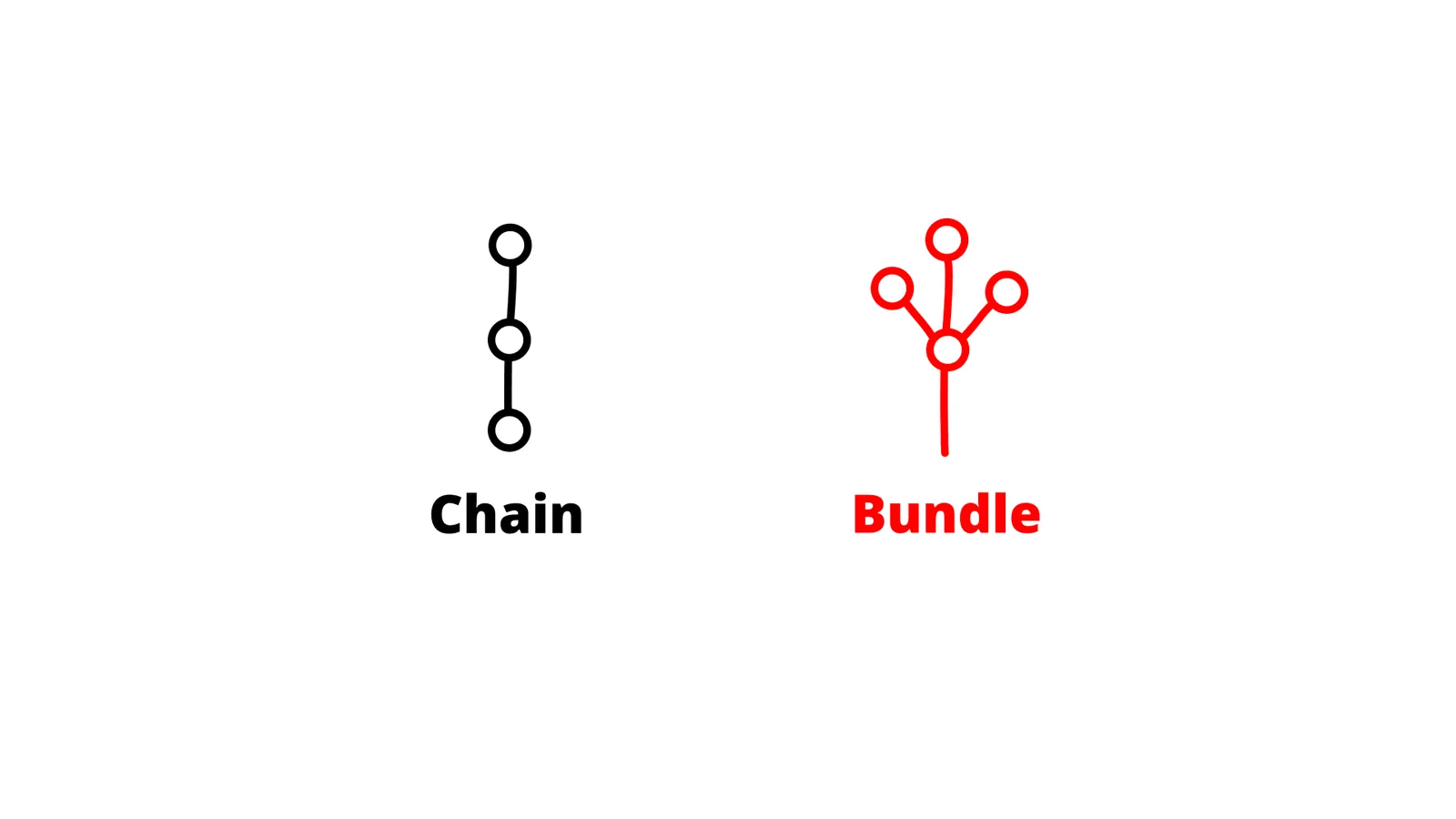
And the third is how to manage the structure of the tree of knowledge.
Roots and Branches
The only way to solve difficult problems is to build a tree structure
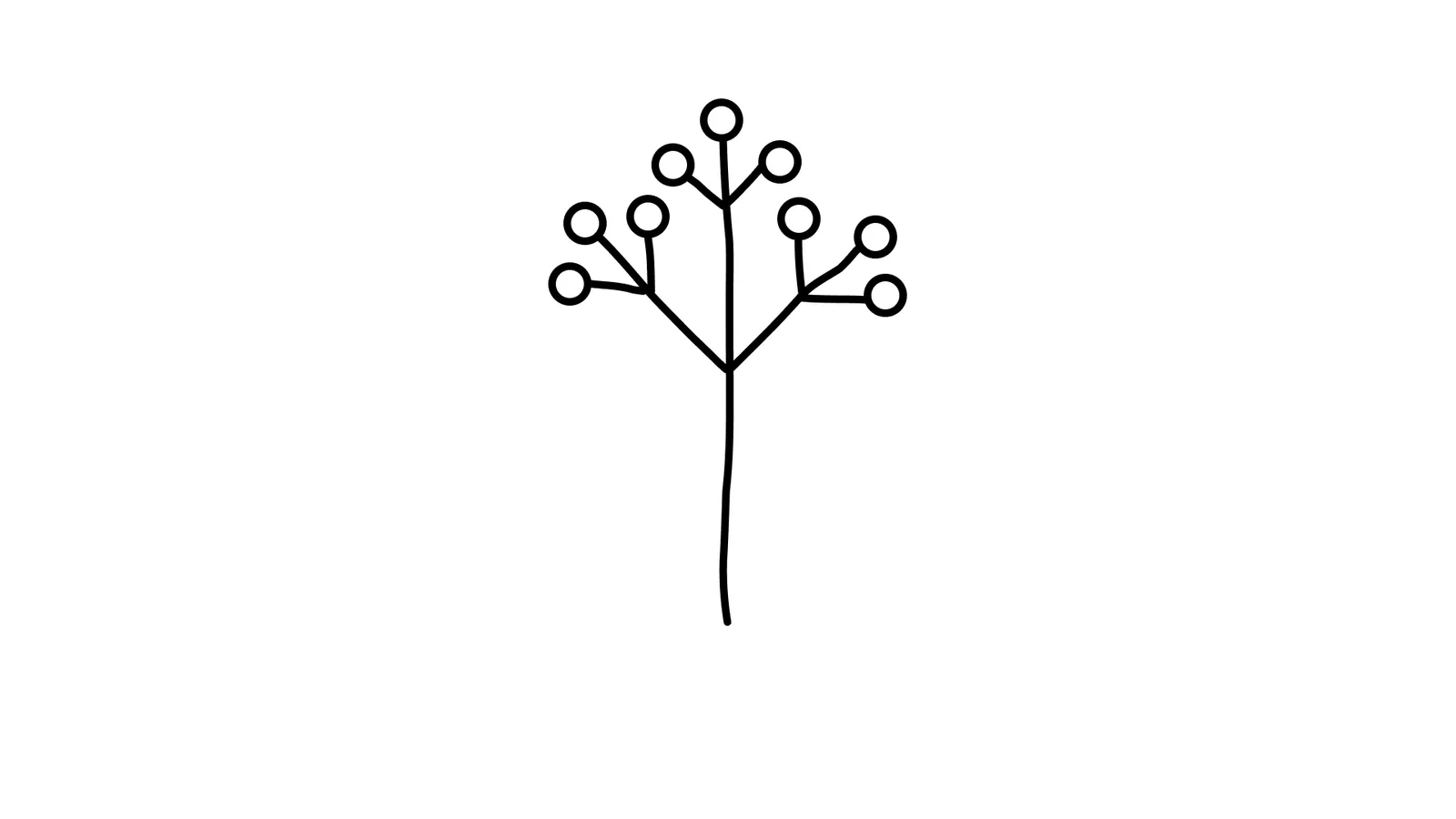
A tree of knowledge for solving complex problems has two main parts that need to be properly established.
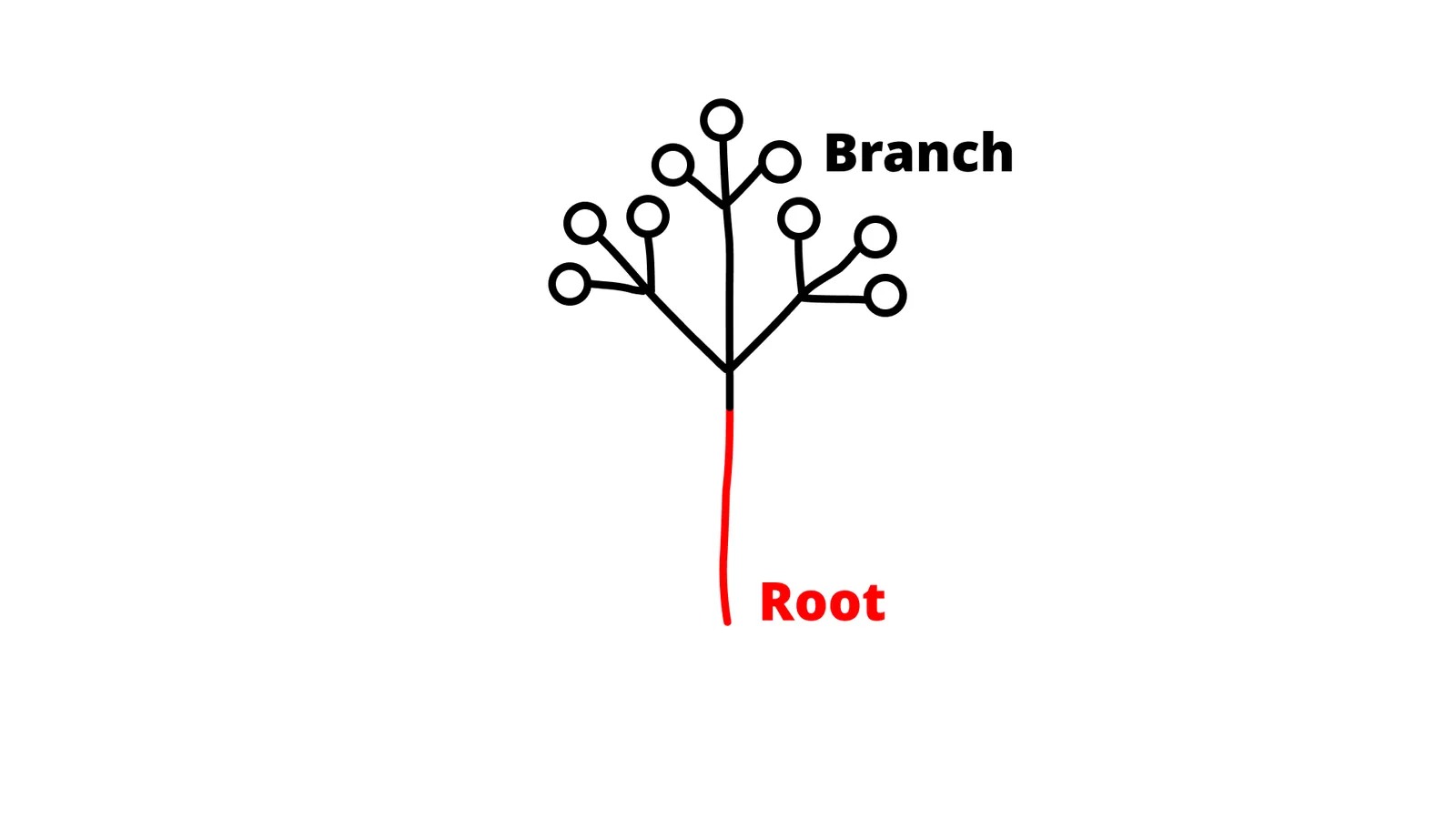
The roots and the branches.
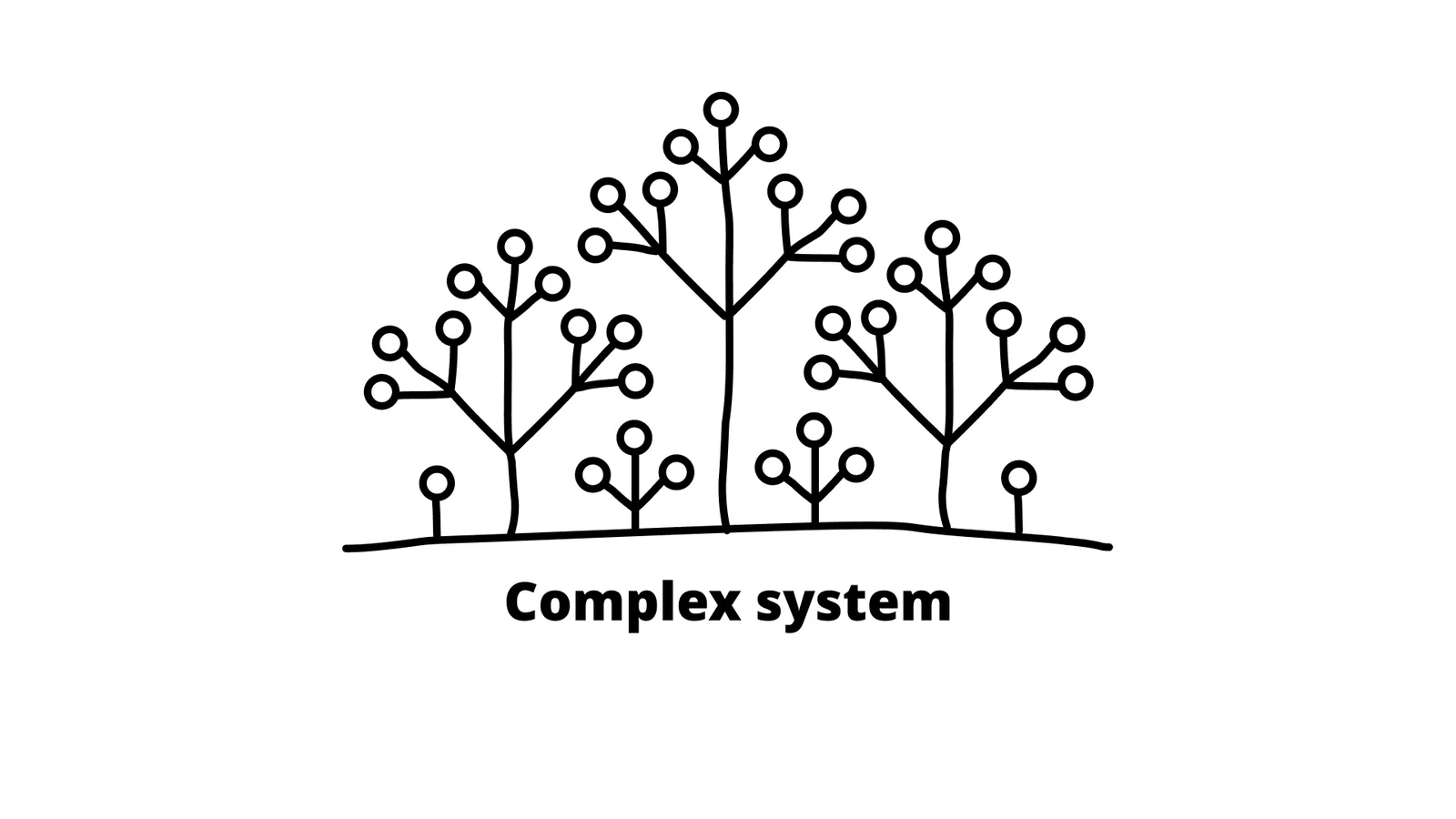
Various phenomena that can be understood as information have roots and branches.
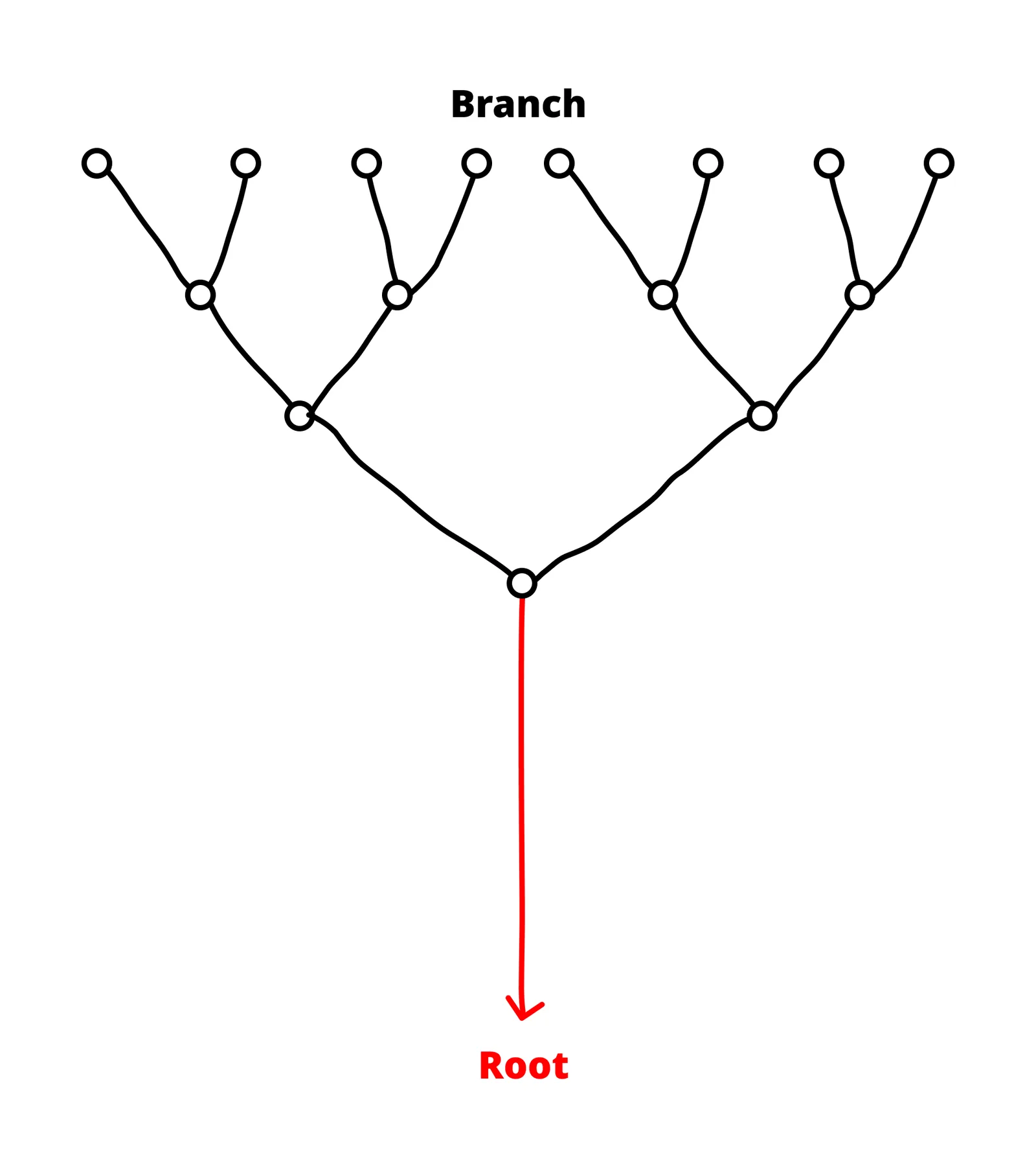
Marvin Minsky, who made the structure of thought easier to visualize, believed that the closer a thought is to the roots of the tree of knowledge, the more it functions as a higher-level agent. And the closer a thought is to the branches, the more it functions as a lower-level agent.
Minsky emphasized the importance of structuring thought when solving complex problems.

Because if thought is not structured, we end up haphazardly searching through every possible solution.

Not only will we run out of time, but our minds will also become exhausted quickly.
However, when thought is structured, we can prune paths that are unlikely to lead to a solution.

And quickly direct our attention to the parts that matter and develop them further.
The Upper and Lower Levels of the Tree

The first way to manage the branches of thought is to manage the upper and lower levels of the tree of knowledge.

In other words, to properly organize the roots and branches.

Marvin Minsky, often called the father of AI, said that thoughts closer to the roots function as higher-level agents, while thoughts closer to the branches function as lower-level agents. The terminology may sound abstract, but it becomes easier to understand if we compare thought to a society.
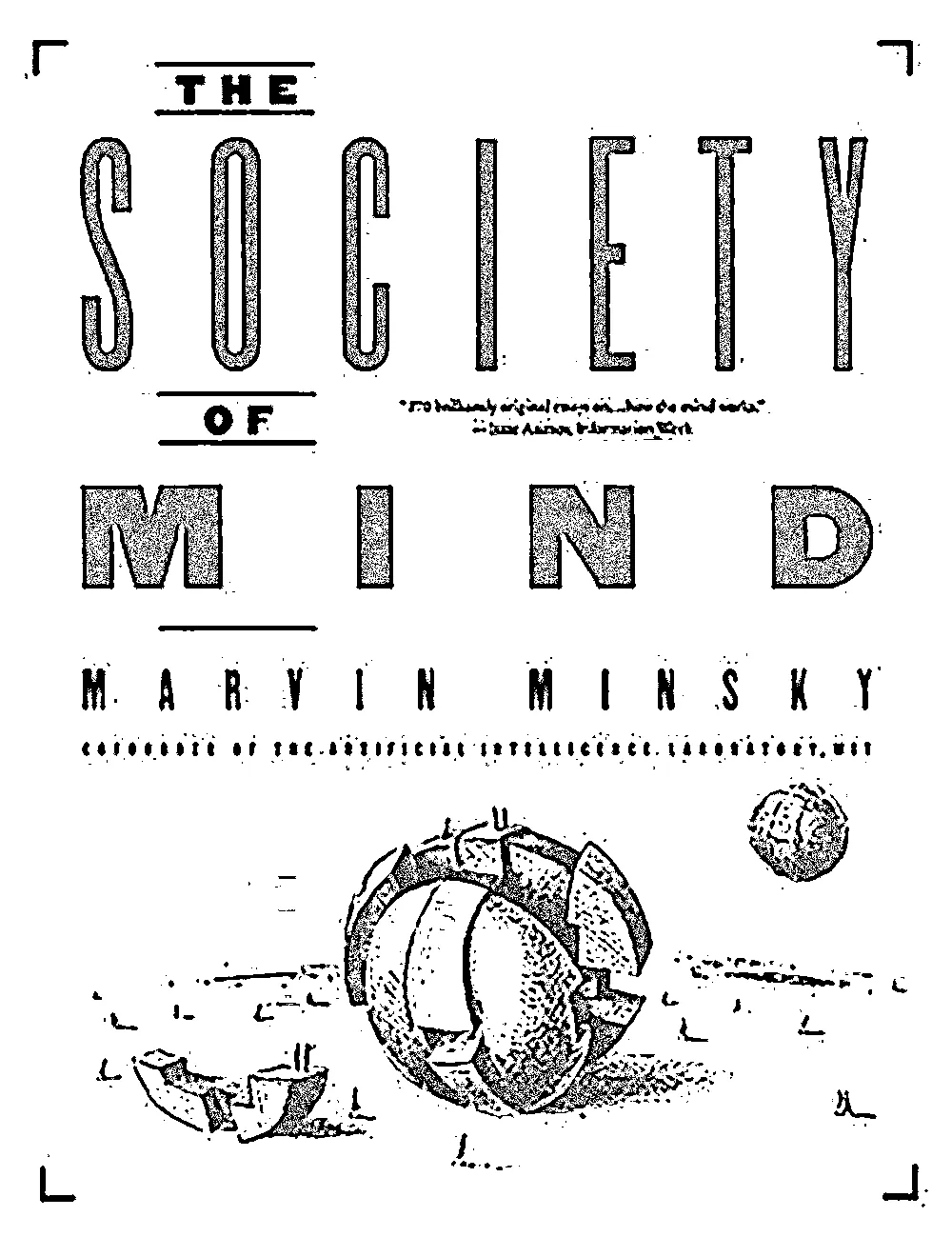
Minsky described the mind as a "Society of Mind."

I will compare the Society of Mind to a military organization called the Survey Corps.

If the Survey Corps represents thought, then it is a complex organization of agents designed to solve a complex problem like the Titans.
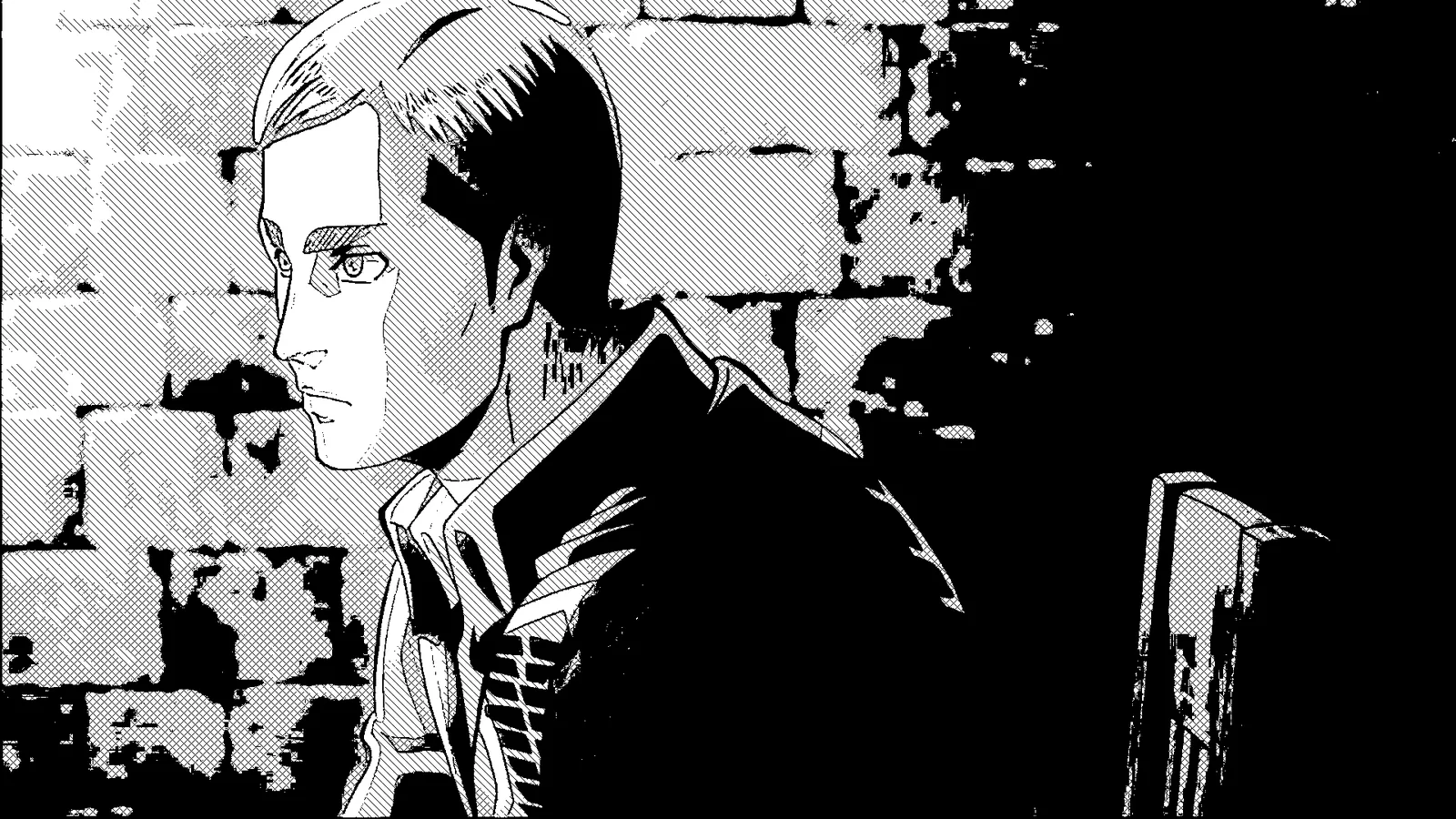
In the Survey Corps, Commander Erwin serves as a higher-level agent.
Rather than directly carrying out missions on the ground, Erwin excels at formulating strategies from above.
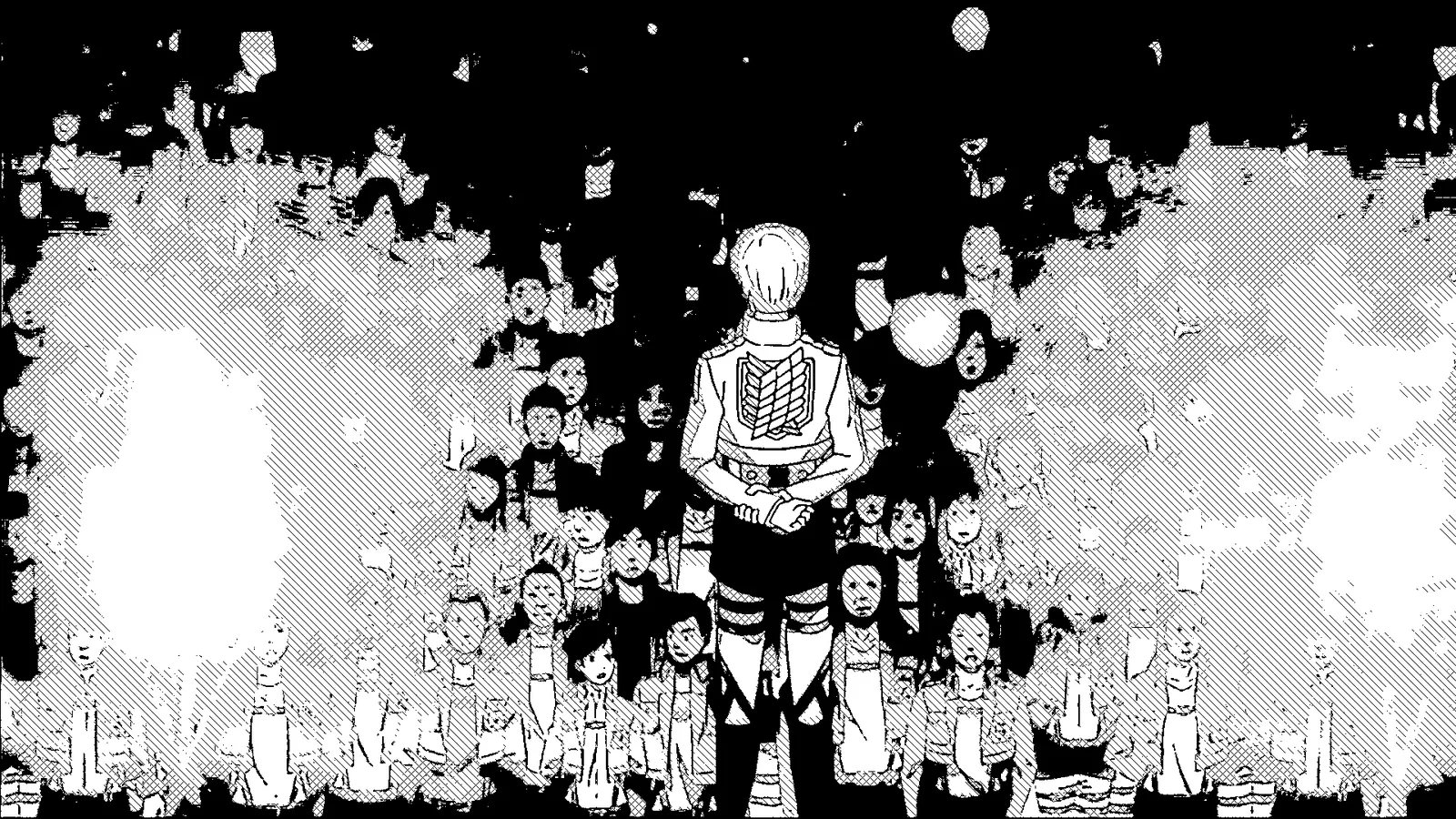
As a higher-level agent, Erwin commands the lower-level agents below him.

On the other hand, Captain Levi is a lower-level agent compared to Erwin.
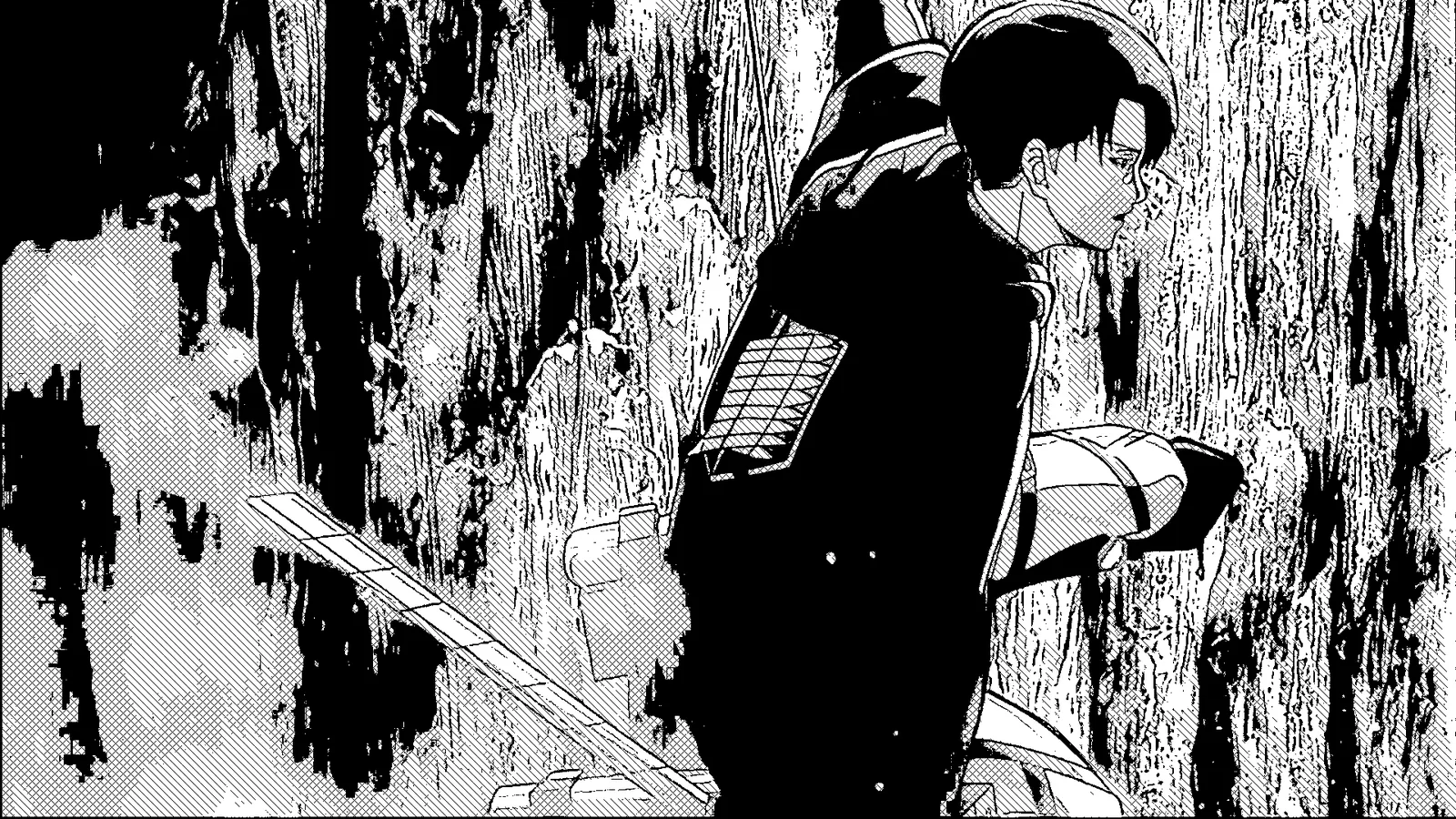
Levi concretely executes the abstract strategies devised by Erwin.

As a lower-level agent, Levi is exceptionally capable of completing missions, to the point that he is known as humanity's strongest soldier.
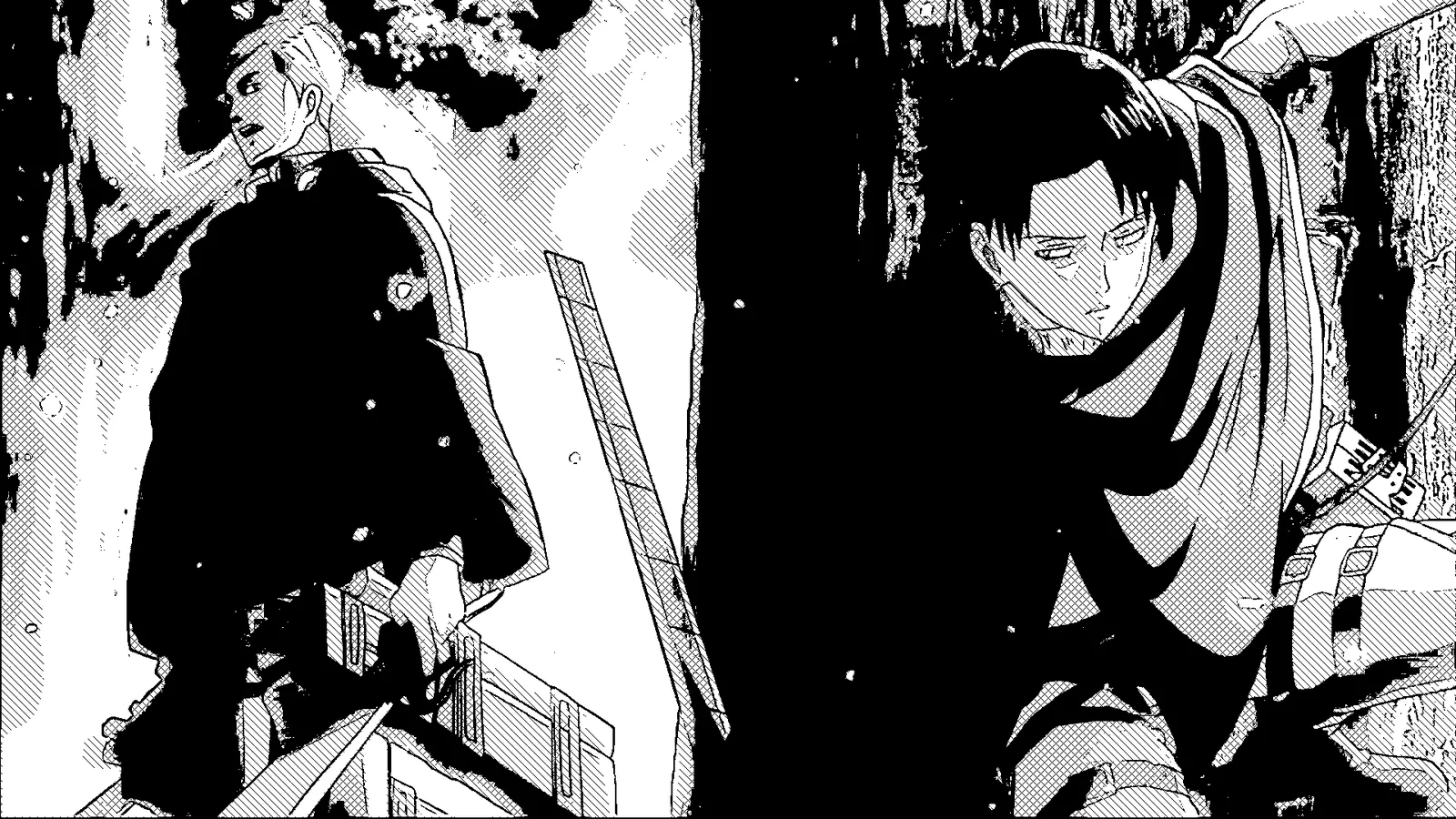
If higher-level and lower-level agents fail to perform their respective roles, complex problems cannot be solved.

If the operation devised by Erwin itself fails to grasp the hidden essence of the larger problem.
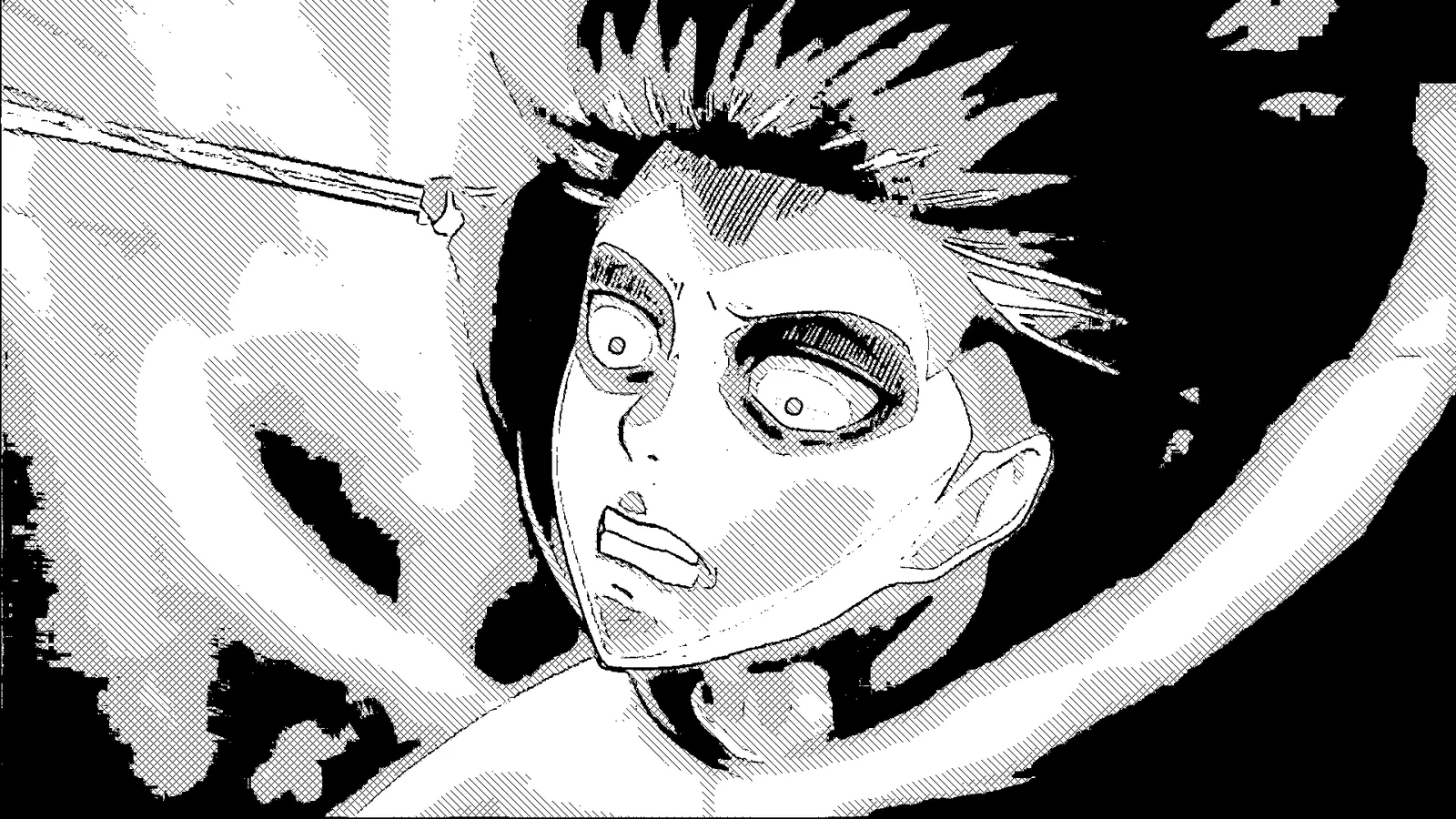
And if Levi lacks the ability to carry out an almost impossible operation.
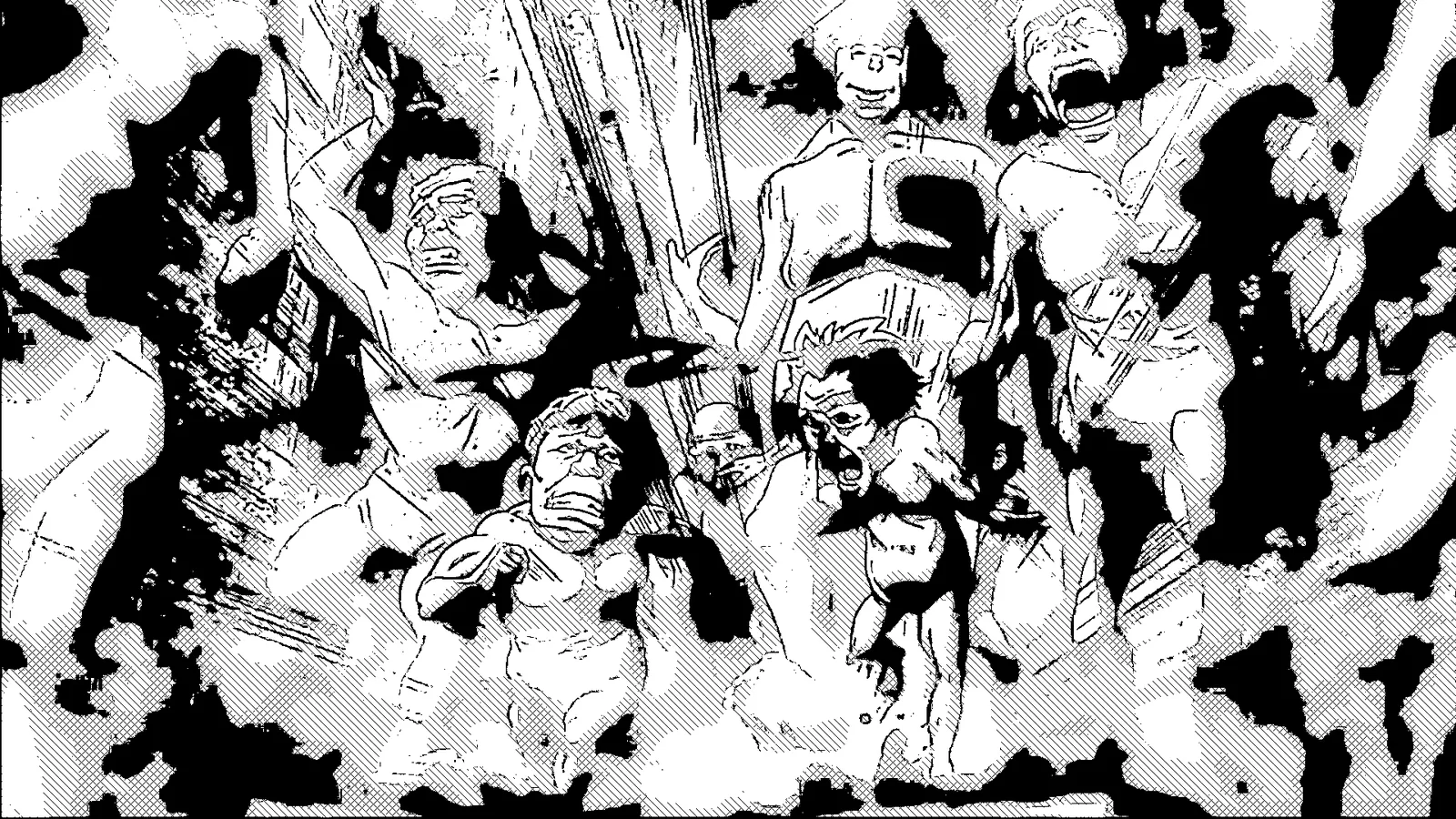
Similar problems will continue to arise.

In Attack on Titan, there is another scene that vividly shows the problems that arise when higher-level and lower-level agents fail to perform their roles.
Levi vs. Mikasa
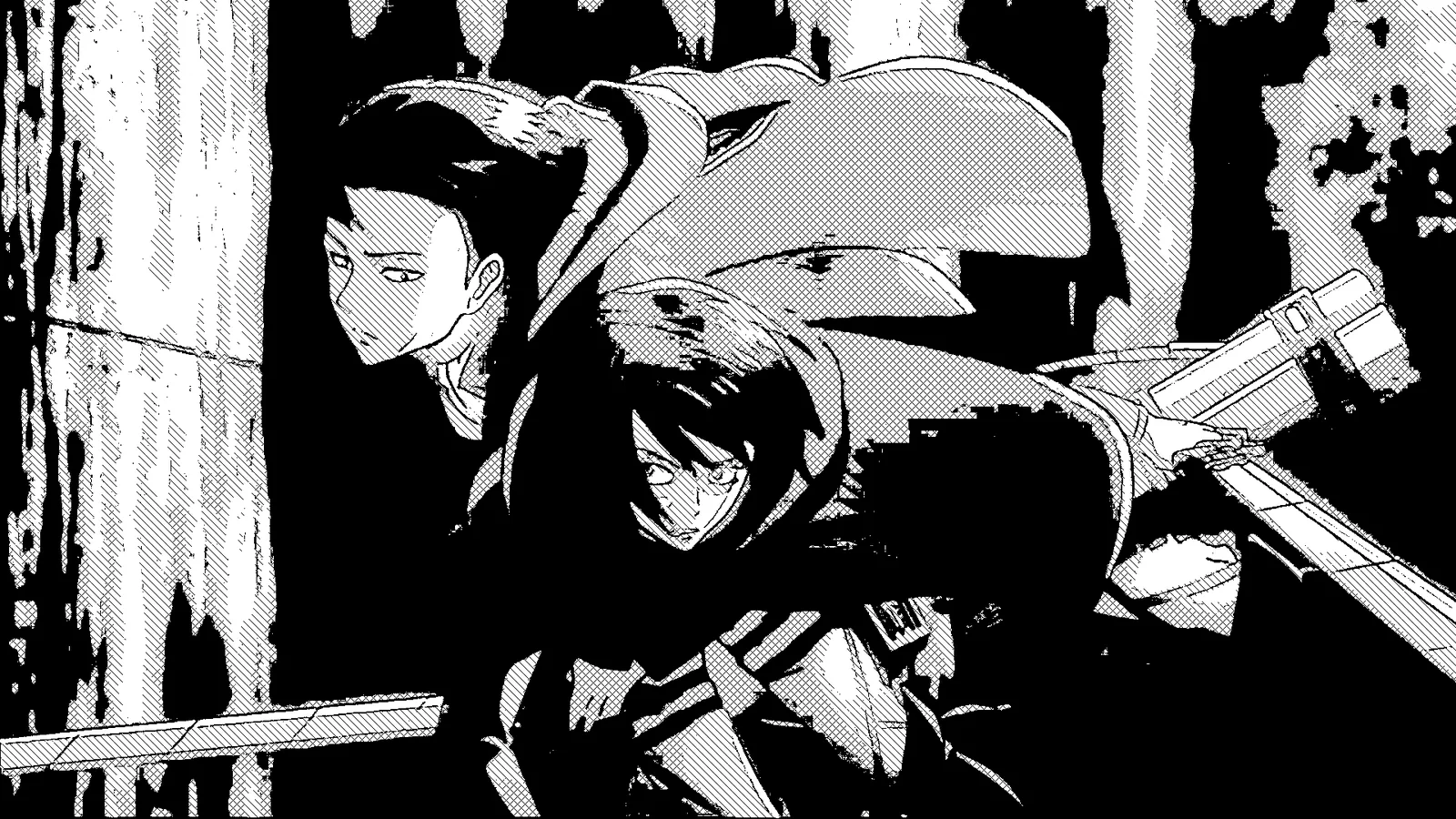
In Attack on Titan, there is a scene where Levi advises Mikasa not to forget the "essence of the operation." Then, what is the essence?
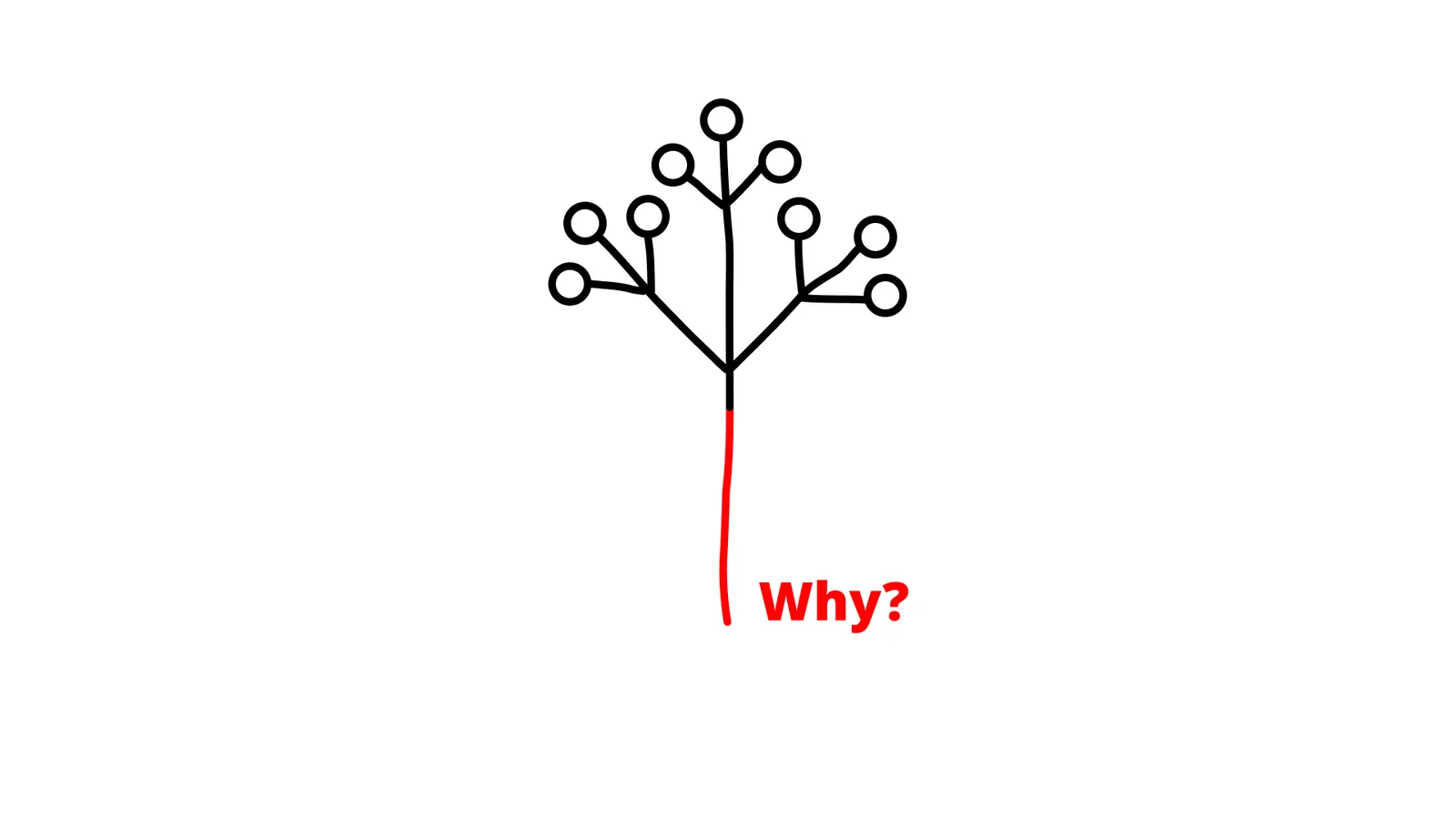
From the perspective of the tree of knowledge, the essence refers to the reason why a plan exists.
Because, ultimately, the reason for carrying out an operation is that the current situation is unsatisfactory.
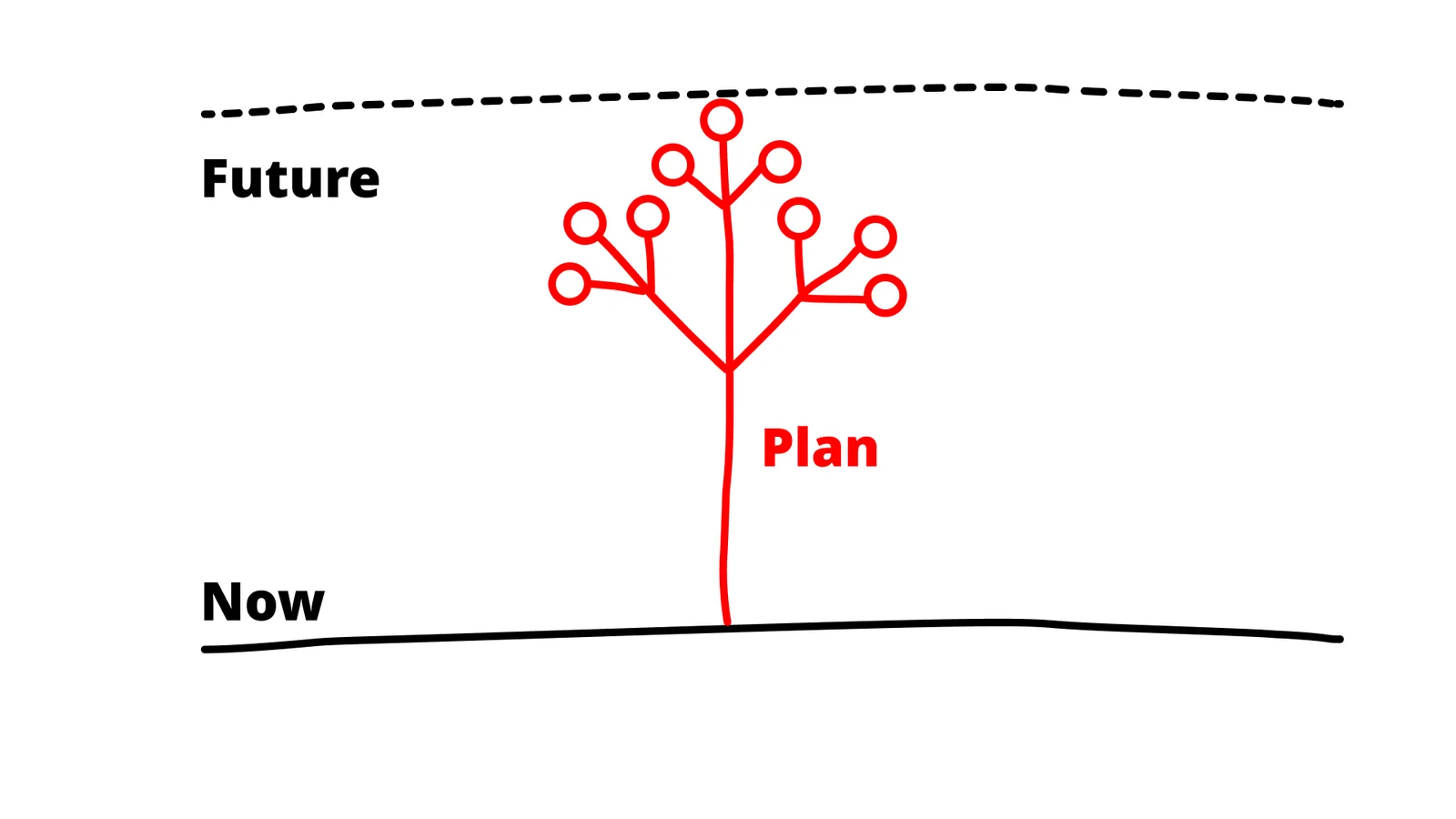
An operation is necessary to bridge this gap and move the present toward a desired future.
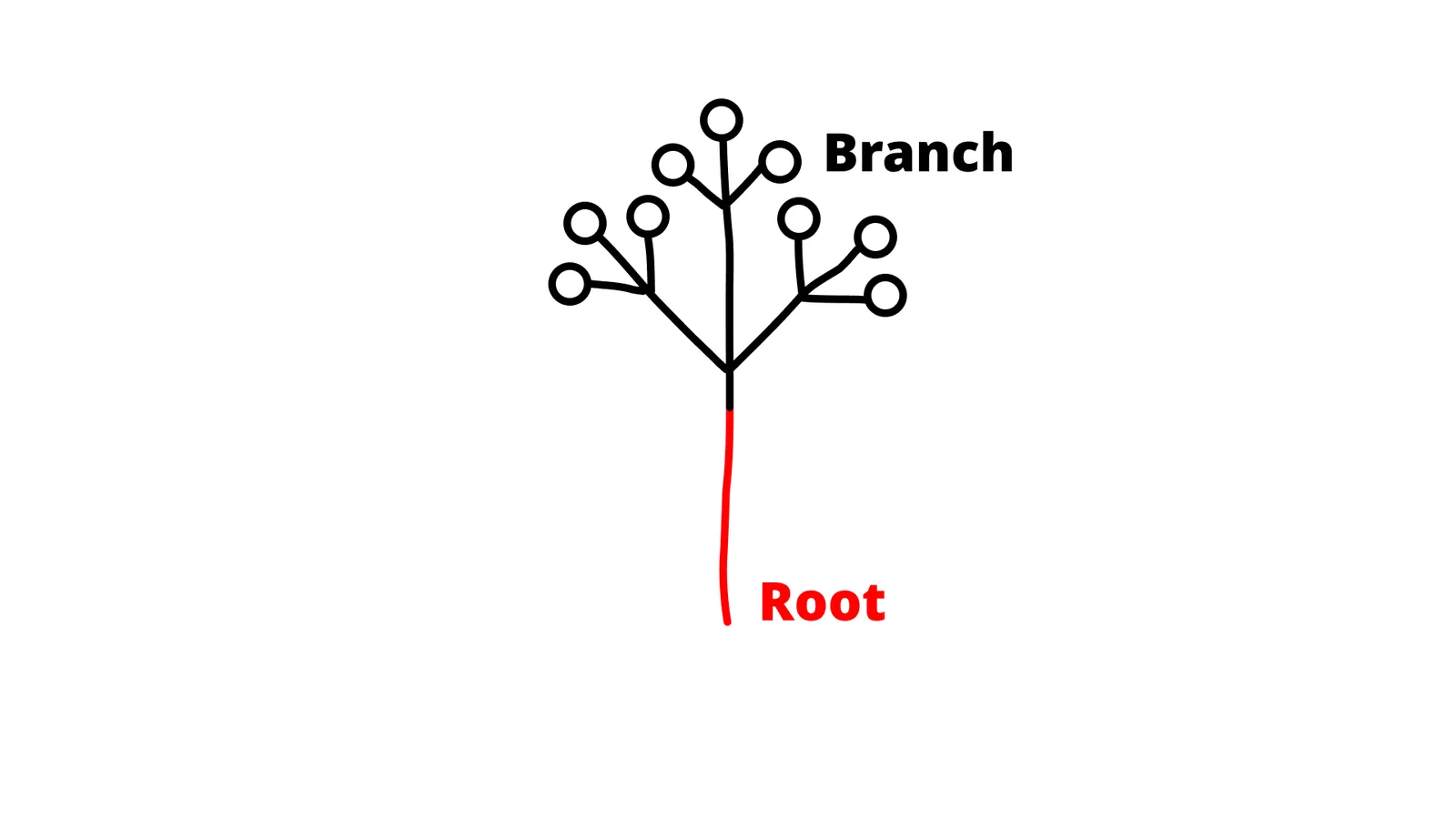
To achieve this, the roots and branches of the tree of knowledge must be properly established.
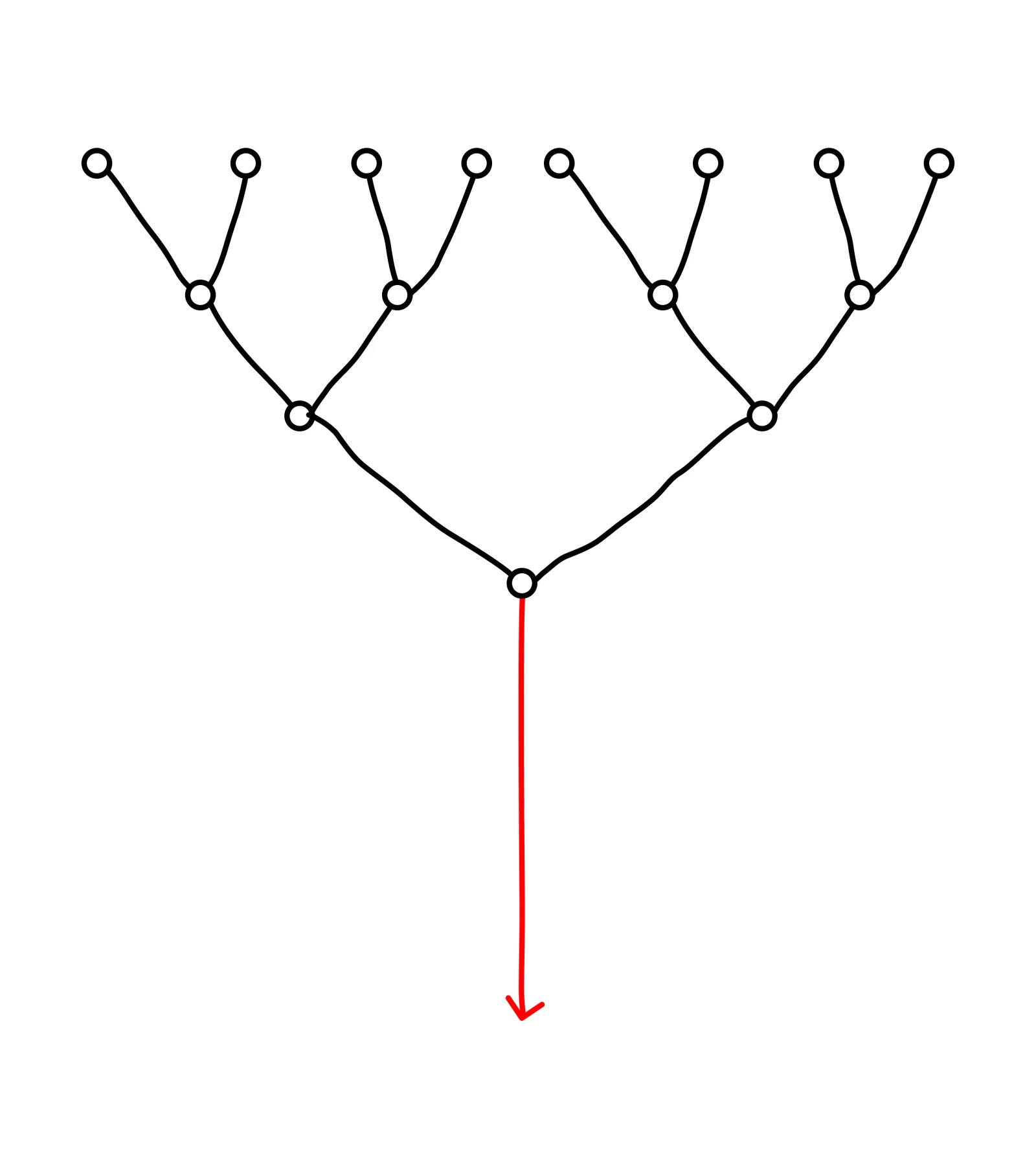
The tree of knowledge is an inverted tree structure with the roots at the very top.
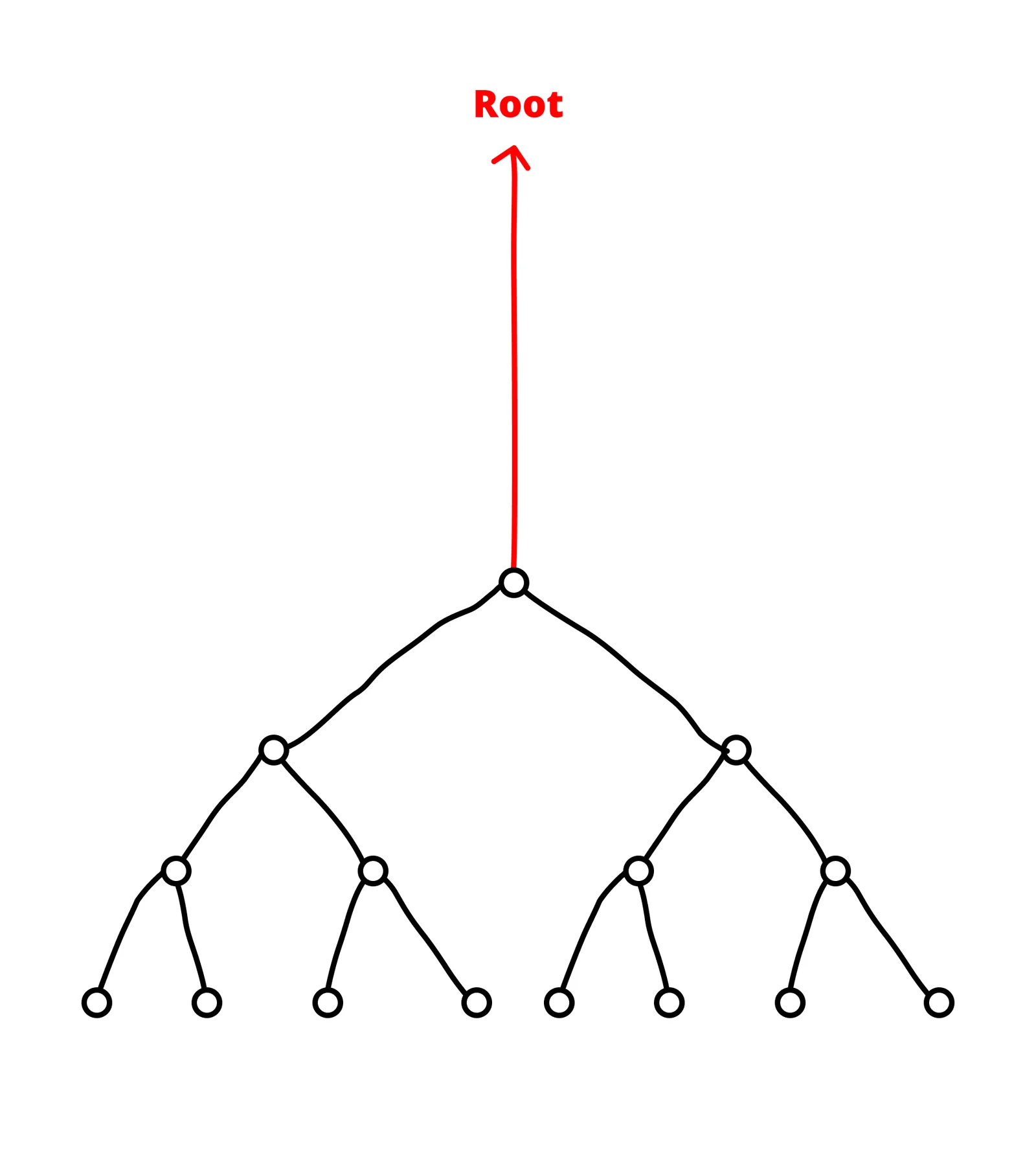
The roots at the top of the tree of knowledge represent "why."
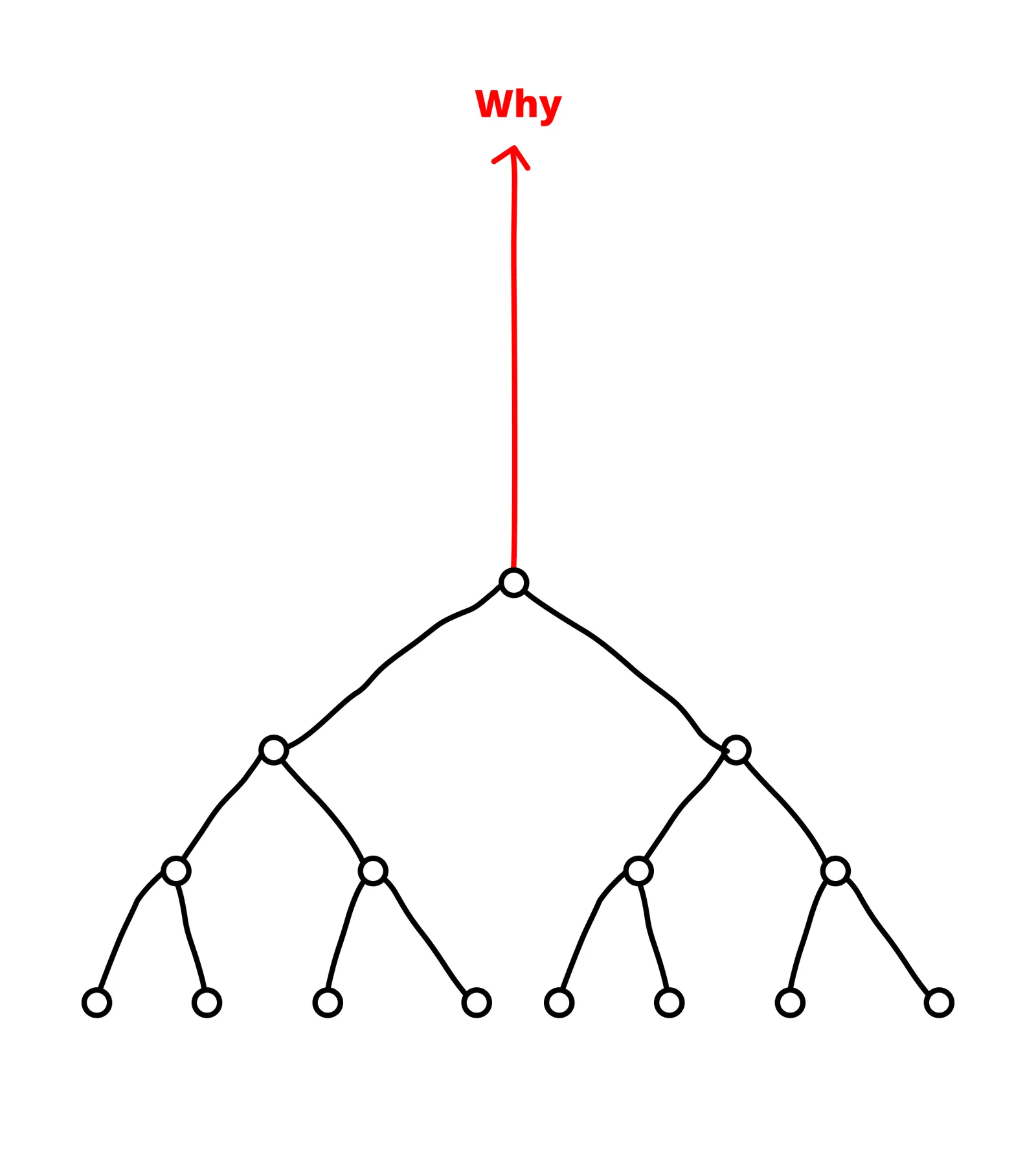
They define the abstract purpose of the plan and the reason for its existence, rather than specific methods.

Conversely, the branches at the ends of the tree of knowledge represent "how."
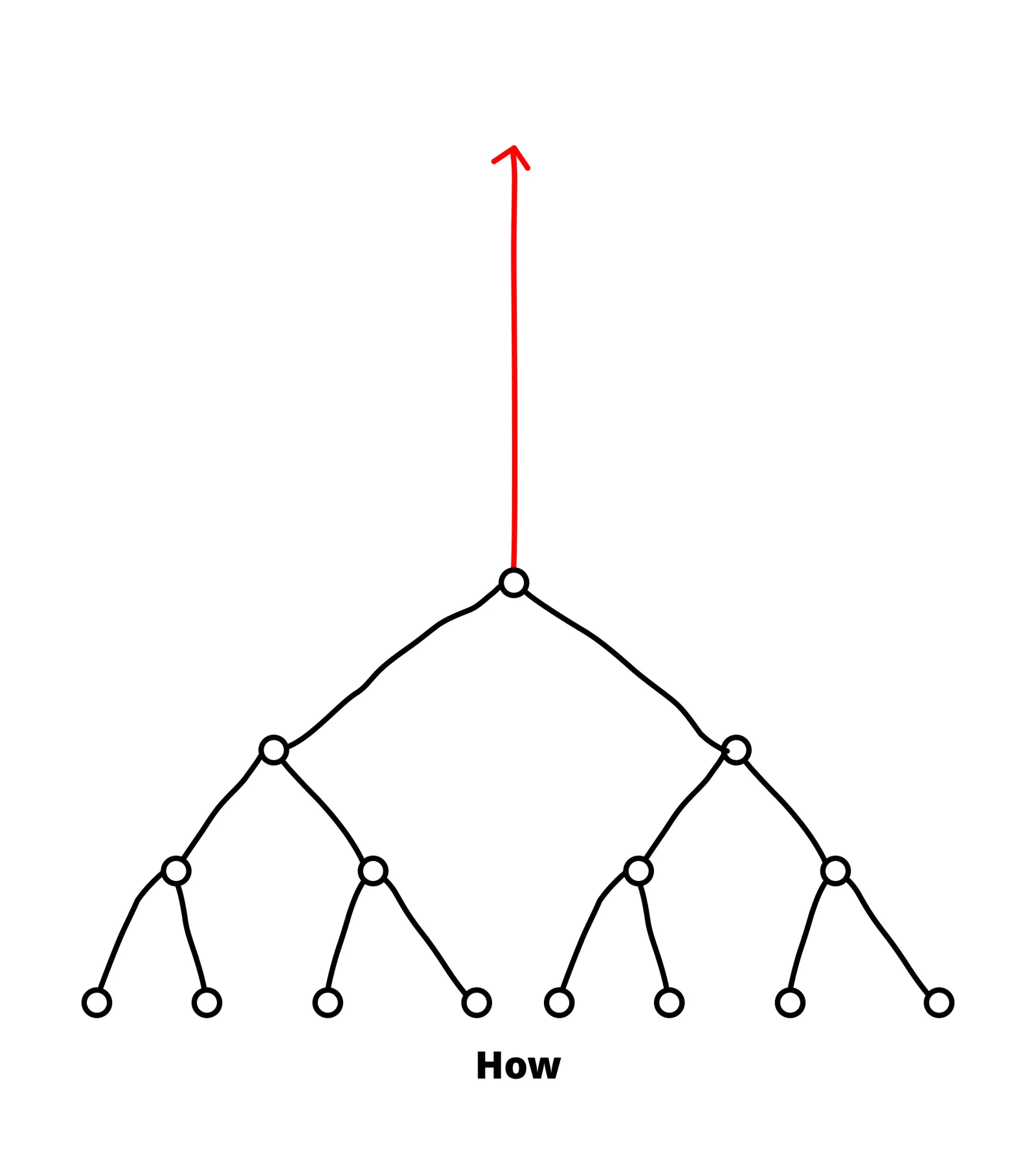
They refer to the concrete methods for reaching the abstract purpose.
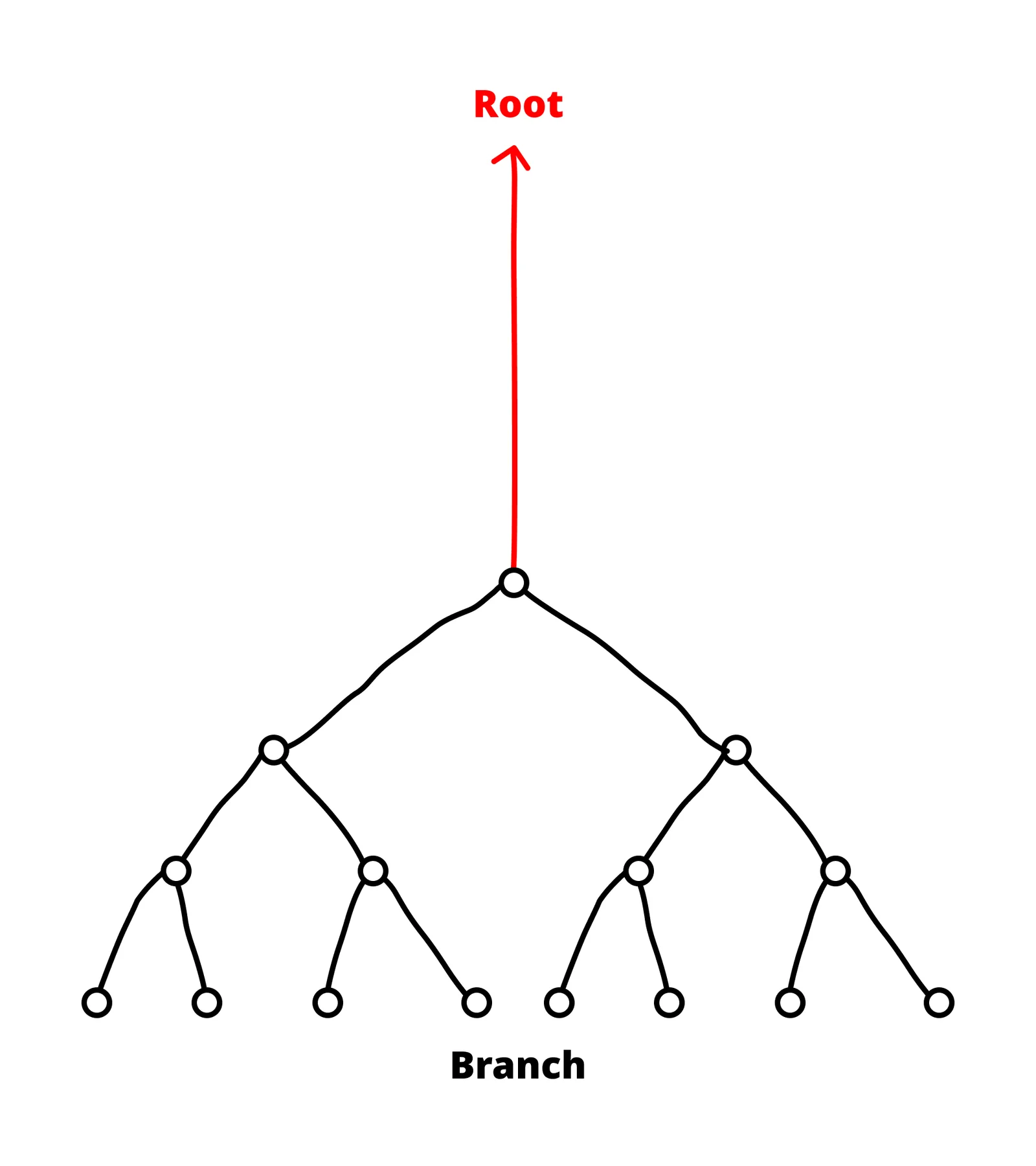
The roots and branches are not separate, but closely connected.
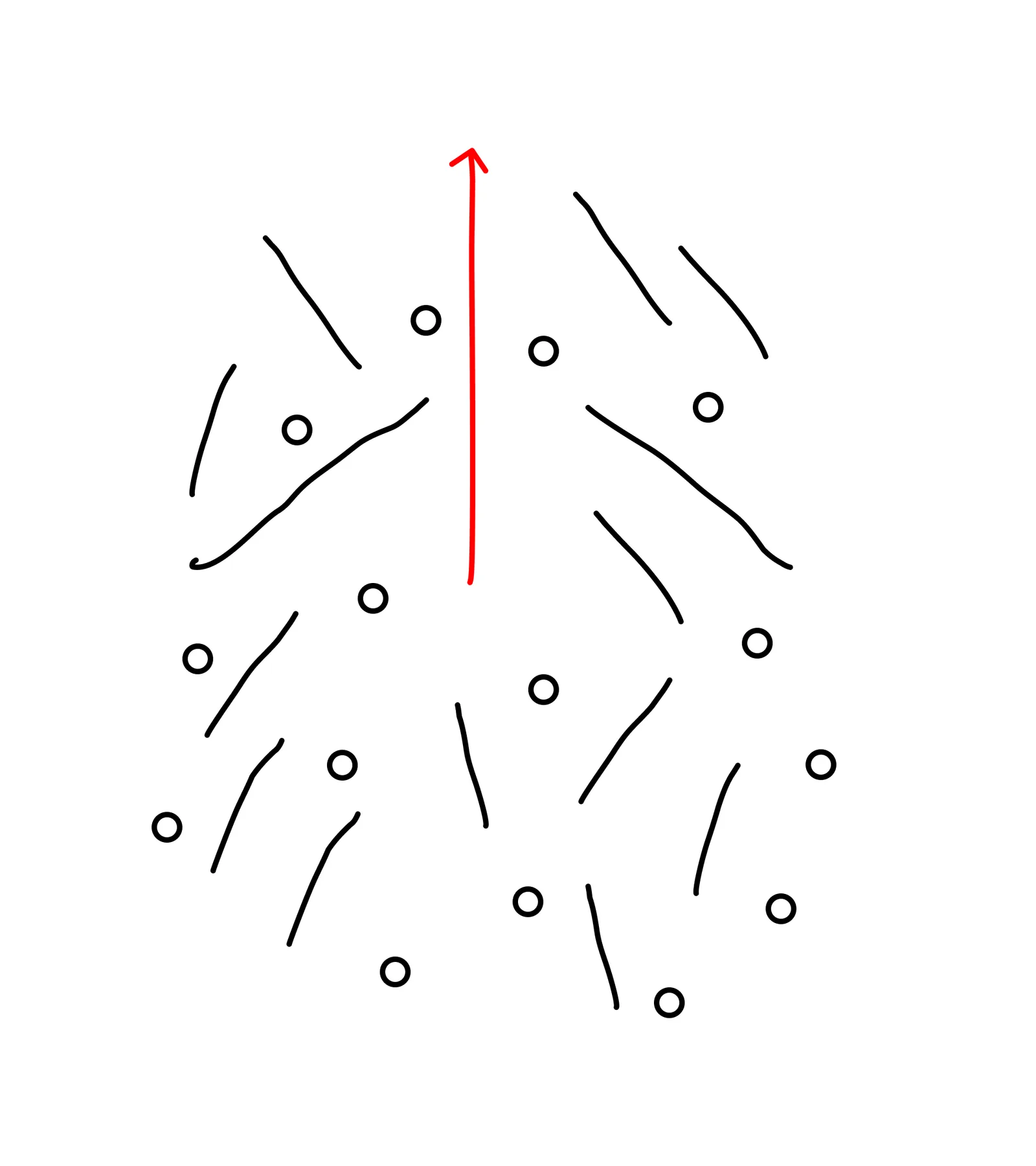
If the roots and branches fail to communicate properly, another problem may arise.
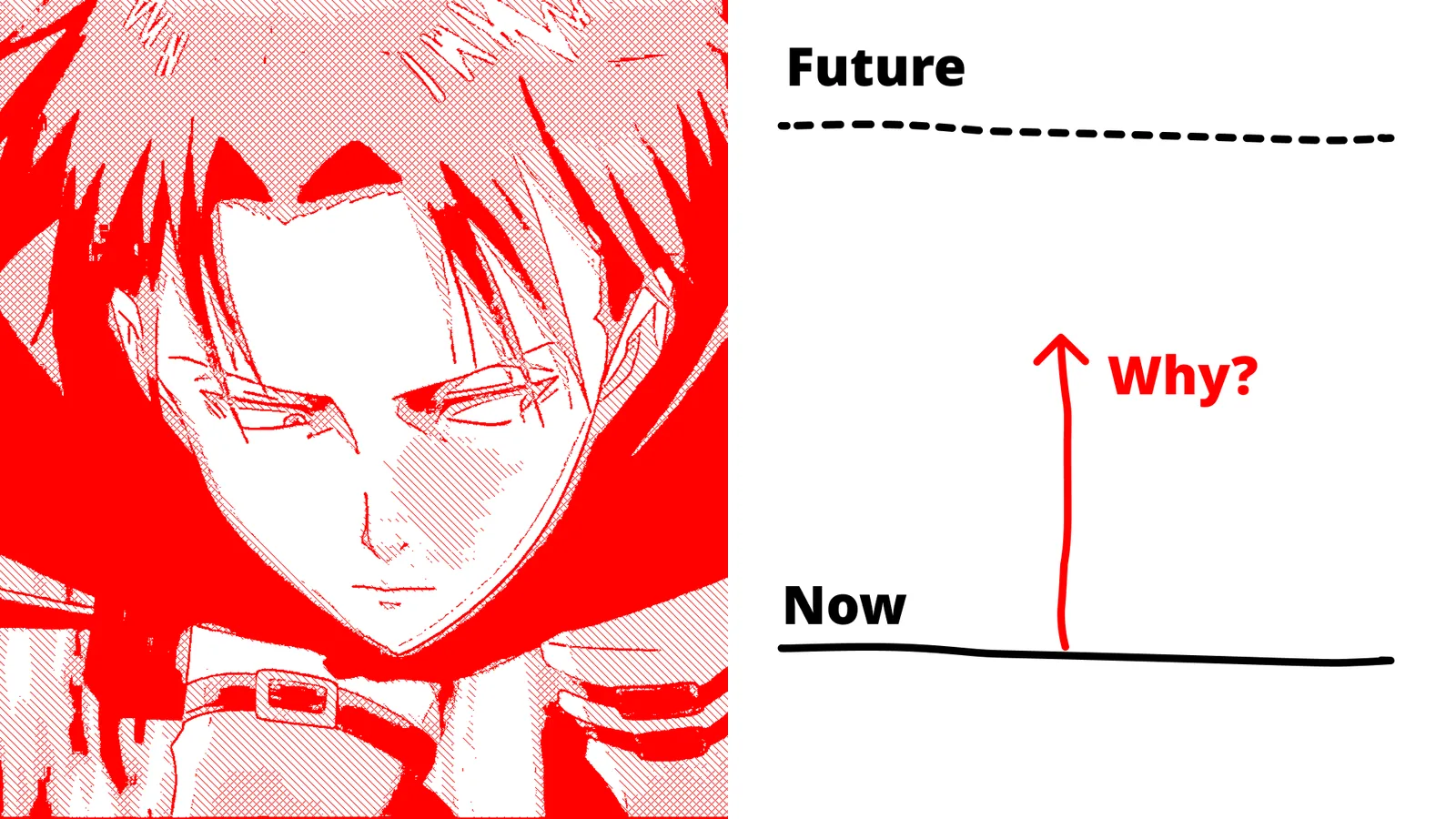
Therefore, Levi reminds Mikasa of the purpose and reason for the operation, telling her not to forget the "essence of the operation."
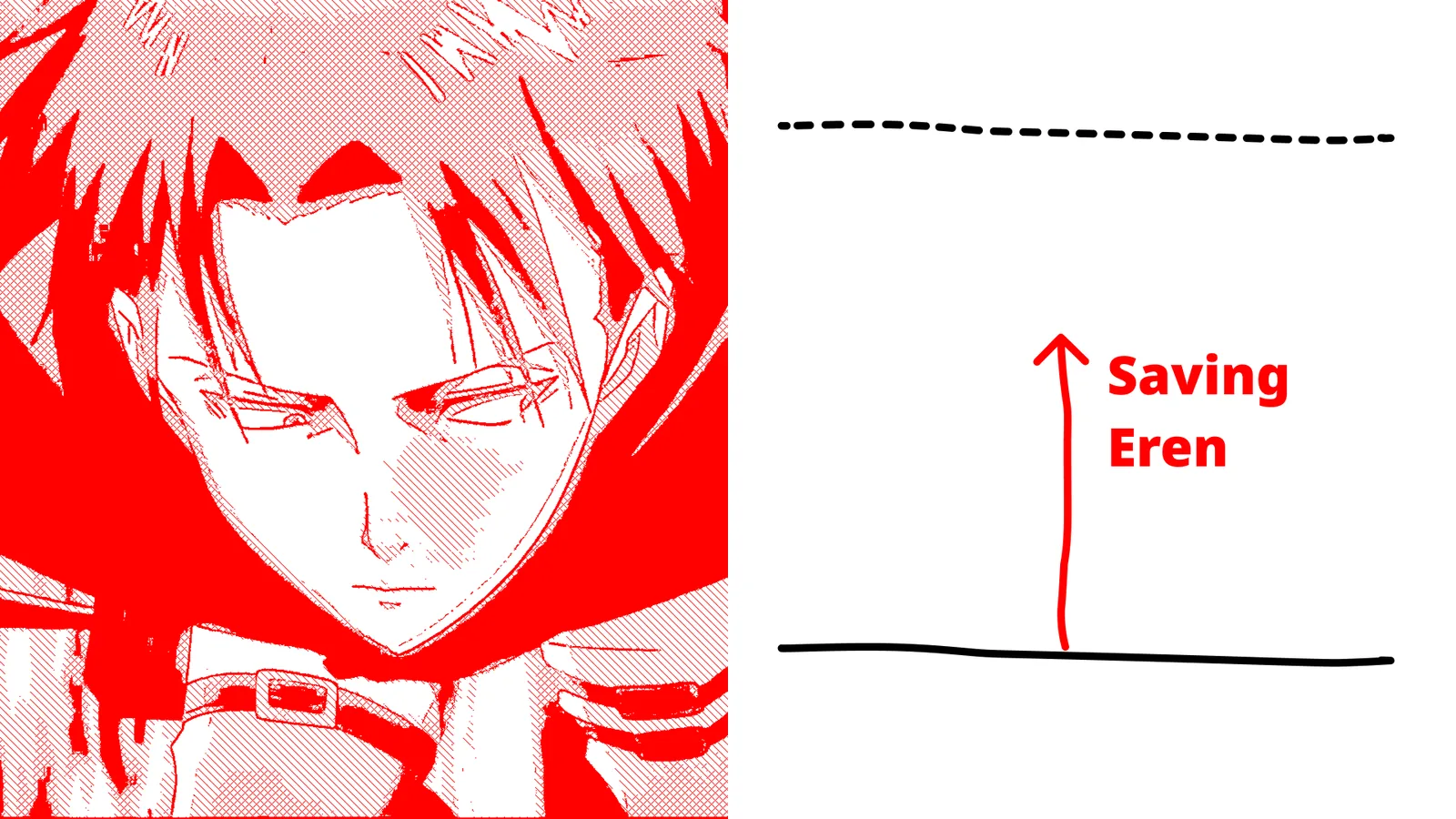
The "essence" of the operation devised by Levi was to rescue Eren, who had been kidnapped by the Female Titan.
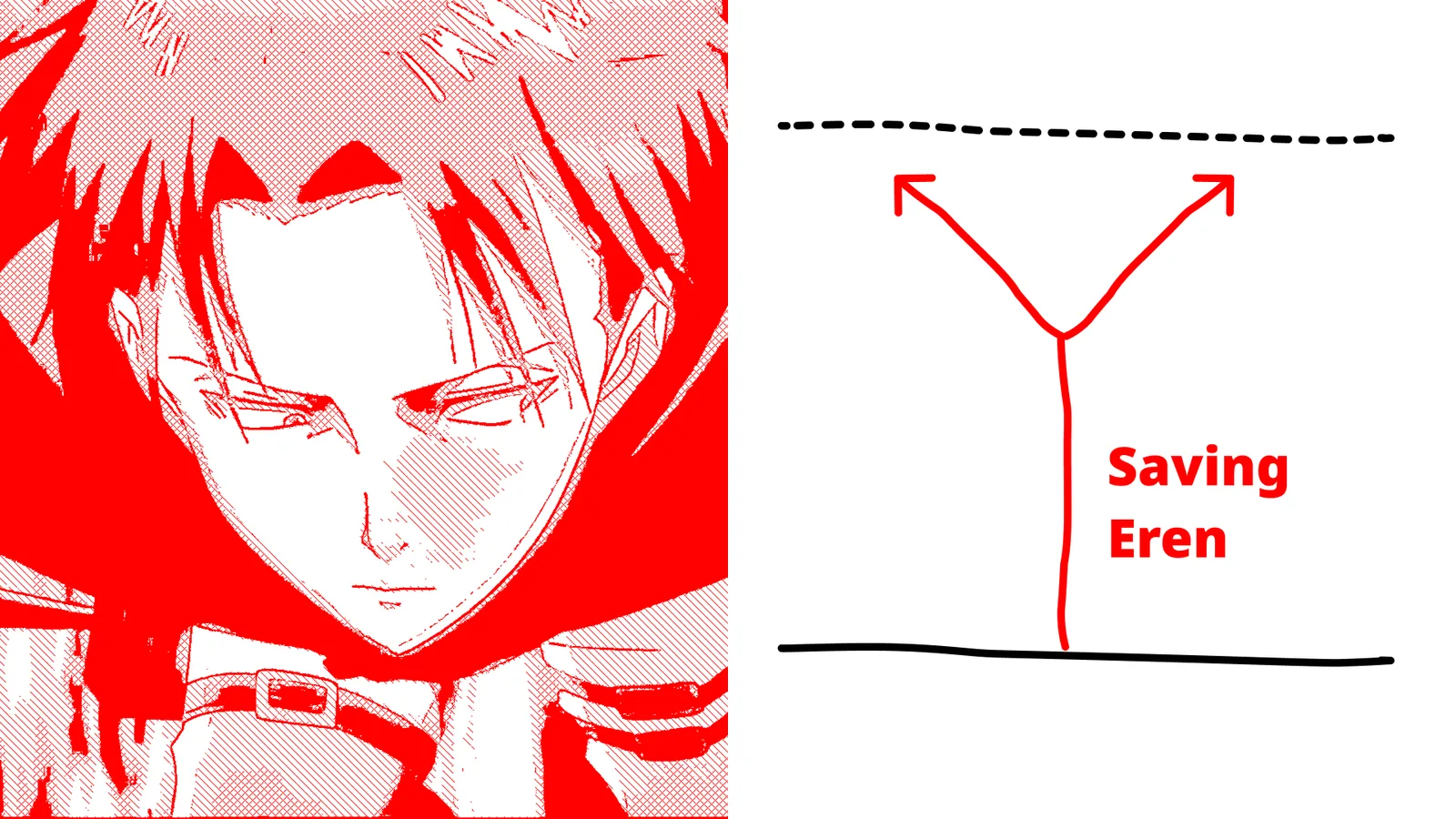
The "form" for achieving this objective can be divided into two parts.
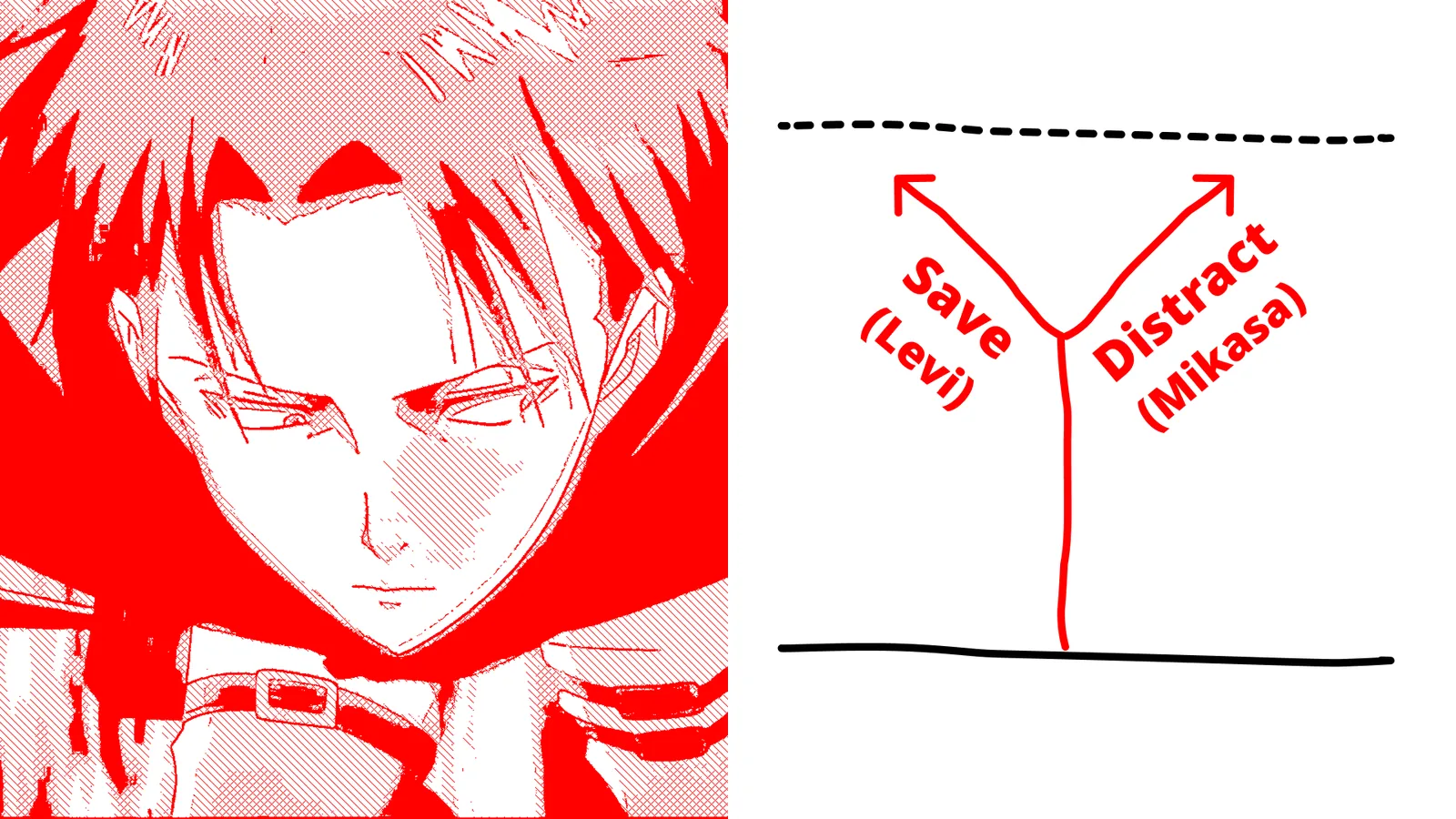
Mikasa was to draw the Female Titan's attention, while Levi himself was to cut down the Female Titan and retrieve the comrade inside her mouth.

However, Mikasa, as a lower-level agent, does not follow the "roots" of the operation established by Levi.

Instead of rescuing her kidnapped friend Eren, Mikasa tries to kill the Female Titan.

From Levi's perspective, eliminating the Female Titan was a dead "branch" that needed to be cut off.
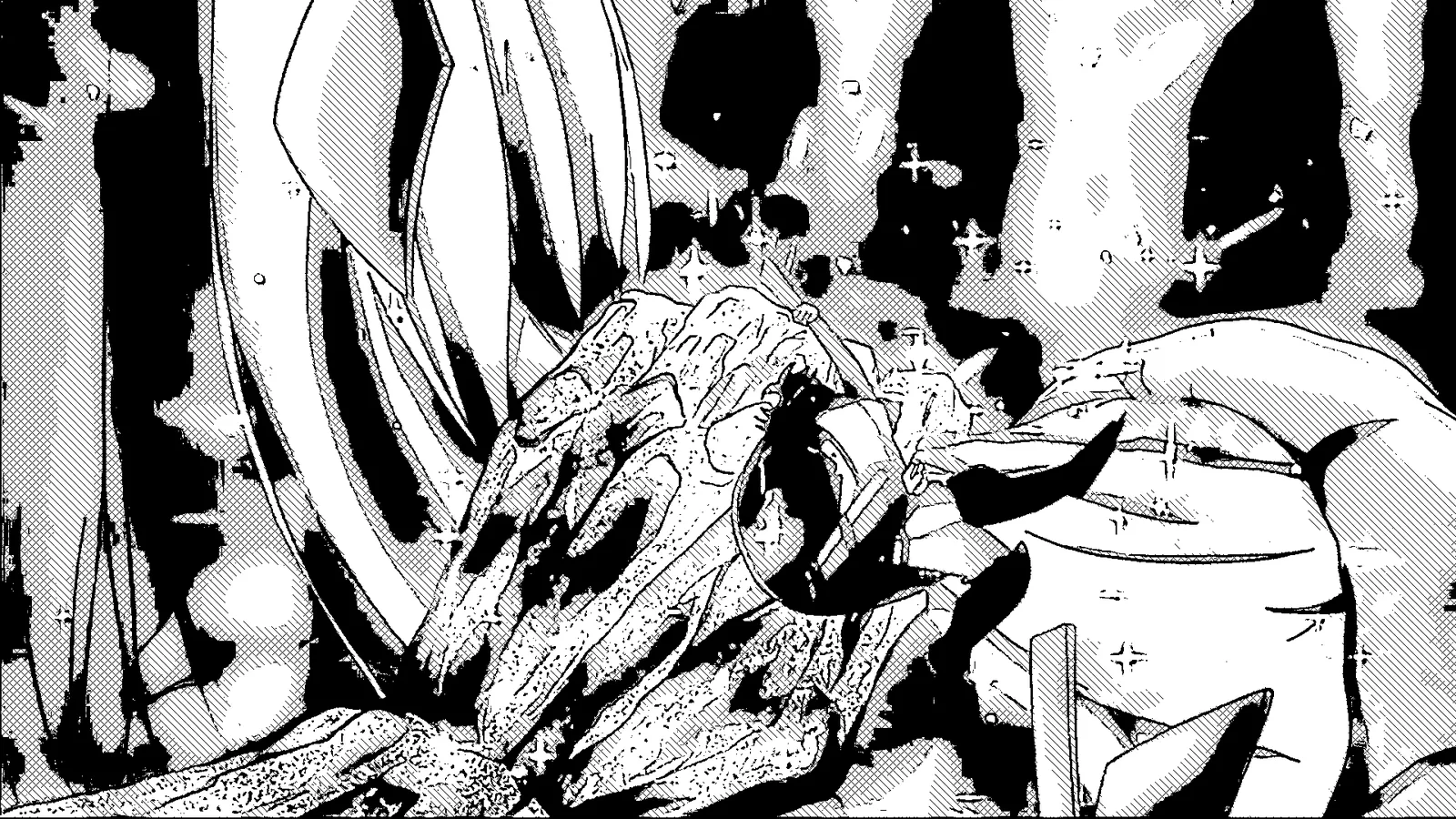
Because Levi knew from experience that the Female Titan could harden her body and could not be killed with the weapons they had at the time.

Mikasa attempts to attack the Female Titan on her own and nearly gets seriously injured.
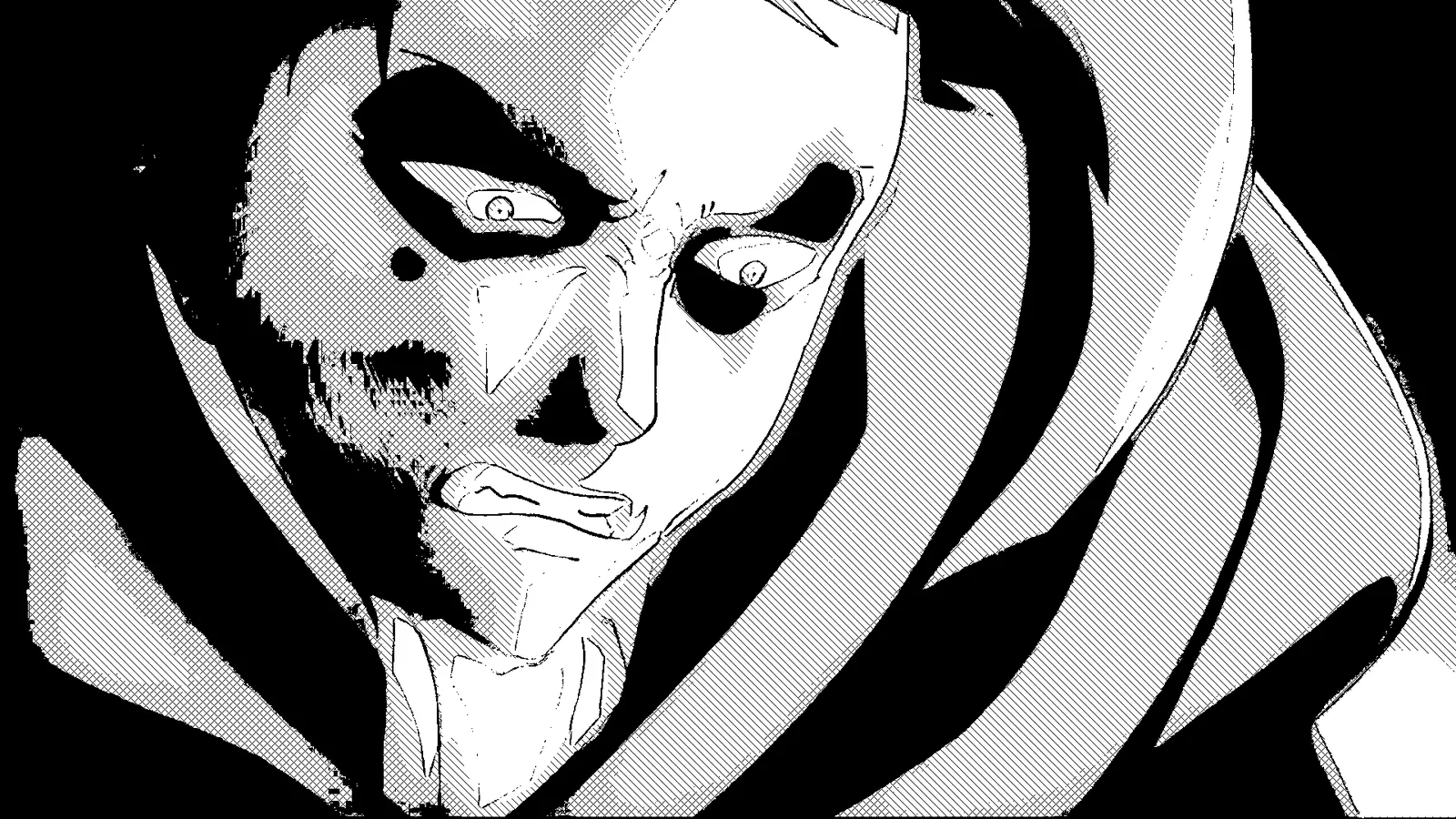
Fortunately, Levi saves Mikasa, but ends up fracturing his ankle.
Let's connect the roots and branches of the operation
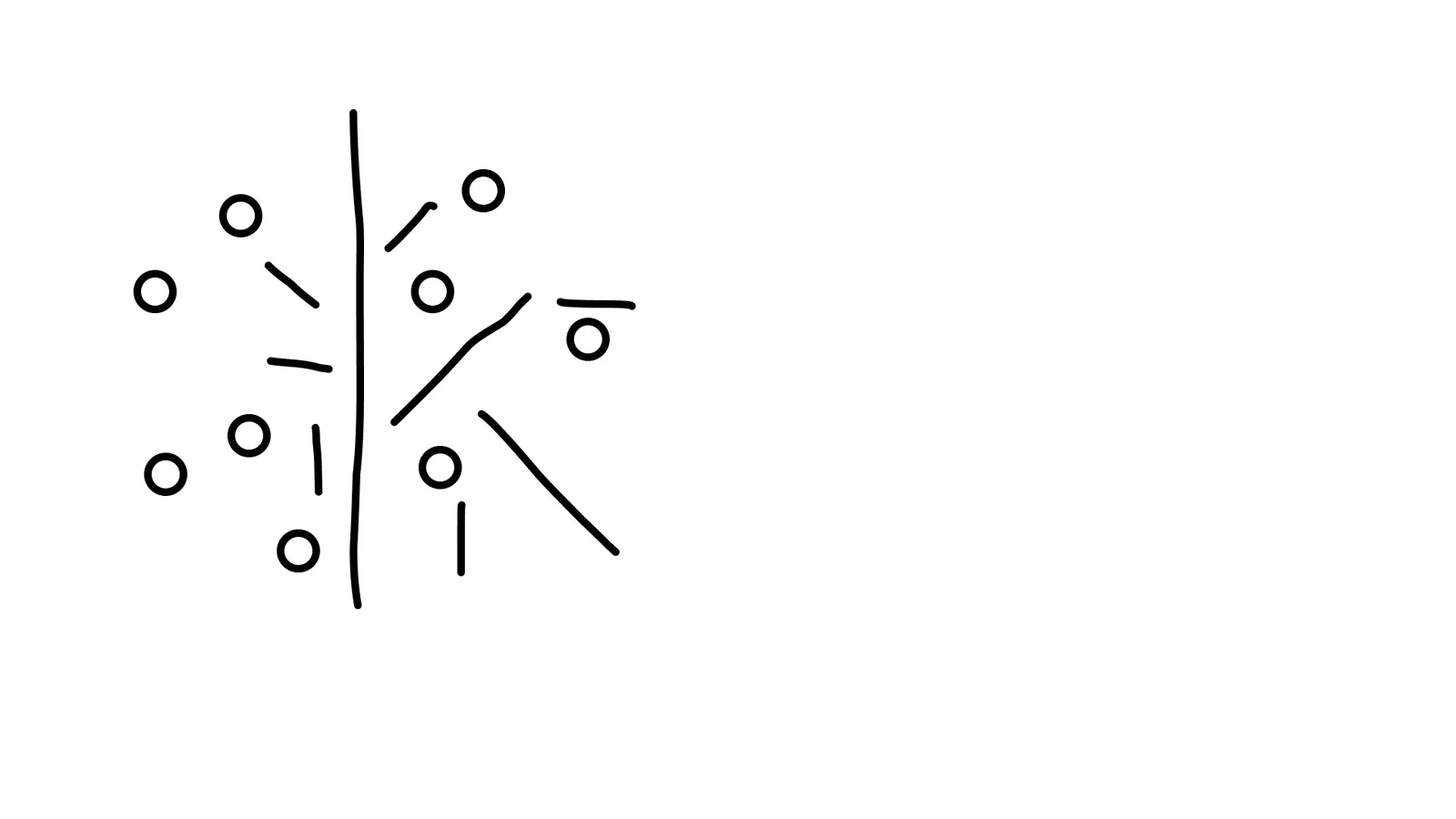
In this way, if the roots and branches of an operation are not properly connected, trying to solve a problem may actually make it more complicated.

Therefore, the essence of the operation and the form for achieving that essence must work together.
2. Thickness
The Thickness of the Branches

The second way to manage the branches of thought is to blend rigid and flexible branches in the right proportion.
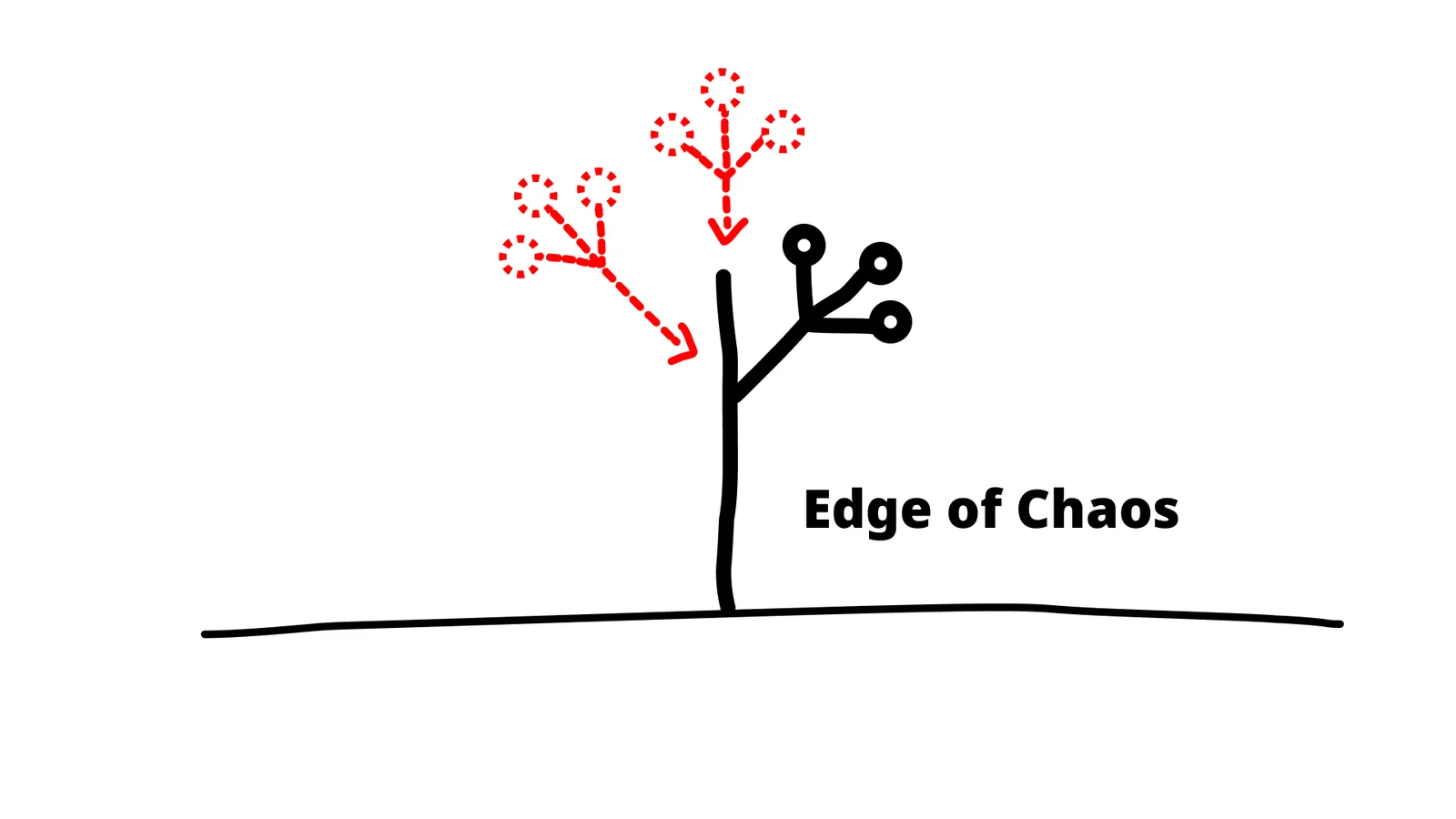
As mentioned in the previous video, complexity scientist Stuart Kauffman described this state as the "Edge of Chaos."

It is a state where order and chaos are properly blended to form a new whole.

In this state, a new, higher-level property that could not be seen in the individual parts emerges.

The Edge of Chaos is difficult to reach, but a tree of knowledge that reaches this state can adapt to changes in its environment by changing itself. However, reaching the Edge of Chaos is not easy.

Because as experience accumulates, thoughts tend to become rigid branches.

The reason thoughts become rigid is the "investment principle."
The Enemy of Thought: The Investment Principle
The "Investment Principle" refers to the phenomenon in which older ideas are valued over new ones.

Marvin Minsky connected the Investment Principle to the tree of knowledge, describing older ideas as thick branches that have received more investment.

This is because we have had more time to learn how to use older ideas than new ones.

Naturally, the older an idea is, the more solid and thicker its branch of thought becomes.

On the other hand, a new idea is a fragile branch that has only just sprouted.

Because of this, new ideas always have to fight an uphill battle compared to older ideas.

The more experience we accumulate in succeeding at something, the thicker those branches become, and naturally, we end up relying only on those old branches. If this process repeats, there is a risk that we will think only in the ways we always have.

Ideas that have grown old and rigid may break when confronted with a major problem.

Even when we know that they are not helping us solve the problem, we keep holding onto these old branches and refuse to let go because they are familiar.

Minsky advises us not to do this, but to give new branches a chance as well.

This is because new branches, though fragile, can open up alternative paths when we reach a dead end.

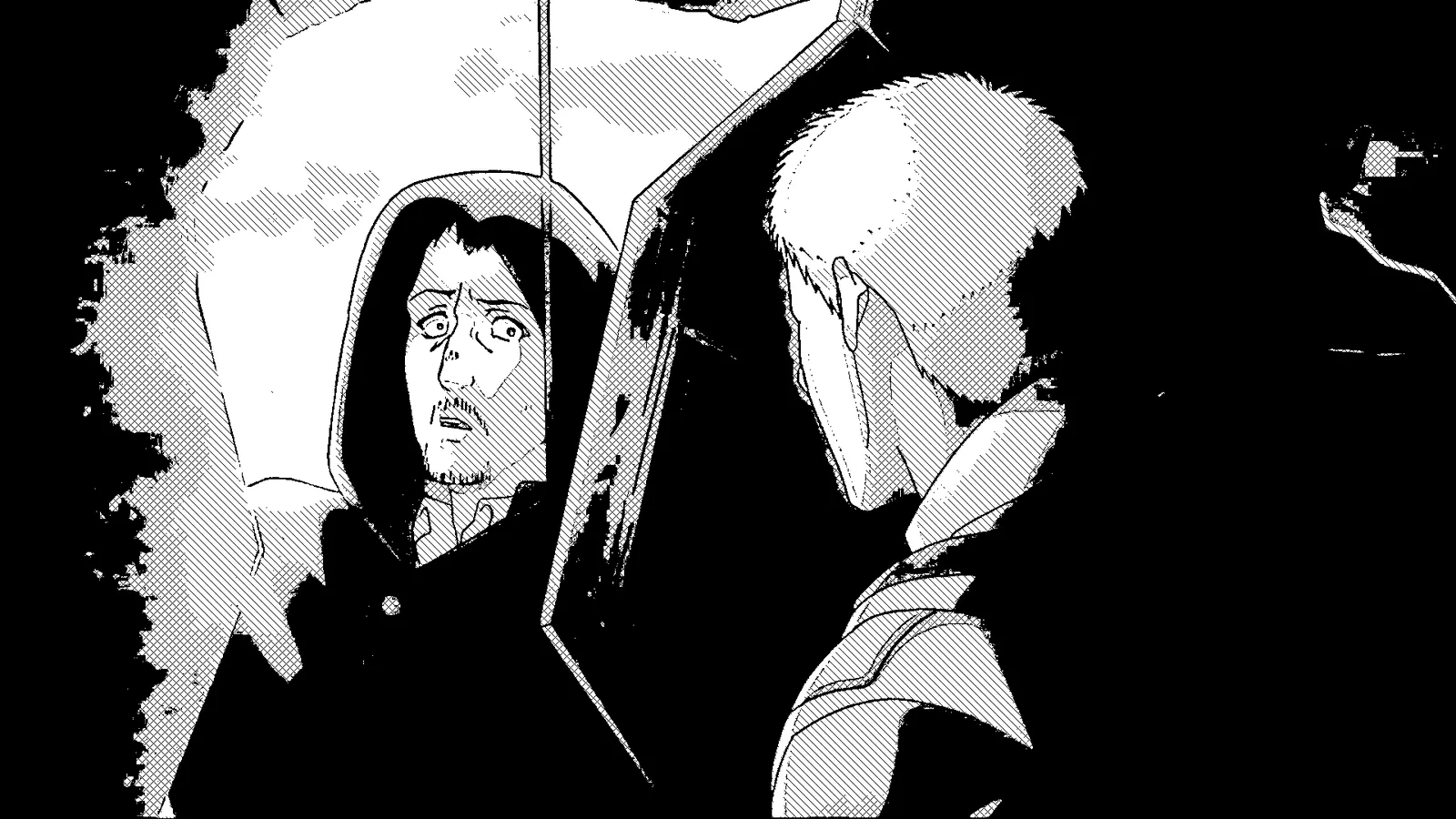
Just as in Attack on Titan, when the other soldiers told Armin that they had no time to waste on his hunches, Erwin sided with Armin.

Erwin tells us to do our best—sometimes strictly, sometimes flexibly—according to the principles of the soldiers.
Erwin's Investment

Commander Erwin of the Survey Corps entrusts Armin, who is merely a rookie, with the crucial mission of finding the hidden enemy.
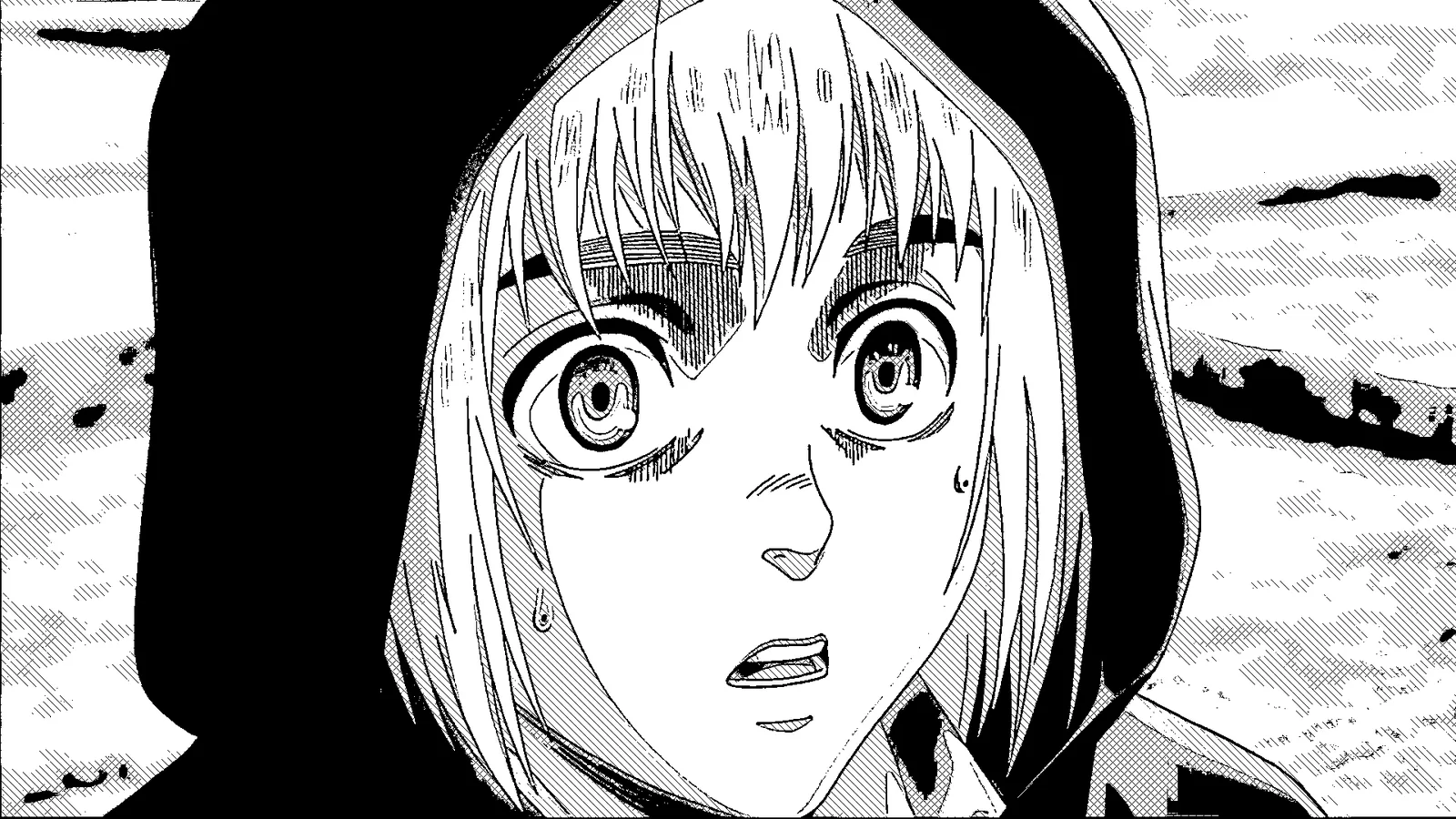
The mission assigned to Armin was to find the enemy hiding near the wall.
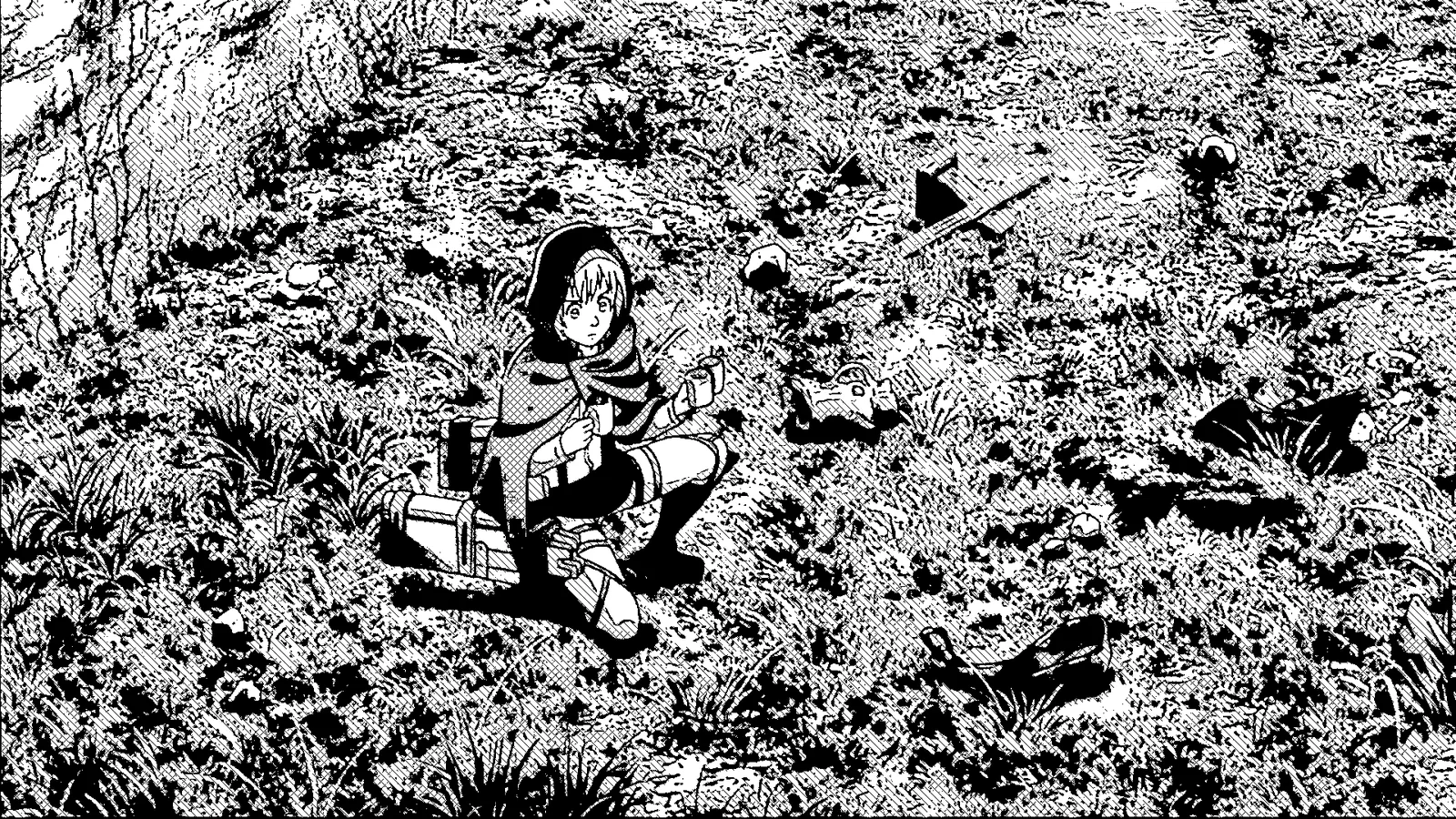
The reason this problem had to be solved was that the Survey Corps had rushed at full speed in a surprise attack to reach the enemy's position, but there was no enemy in sight.

However, there were traces.
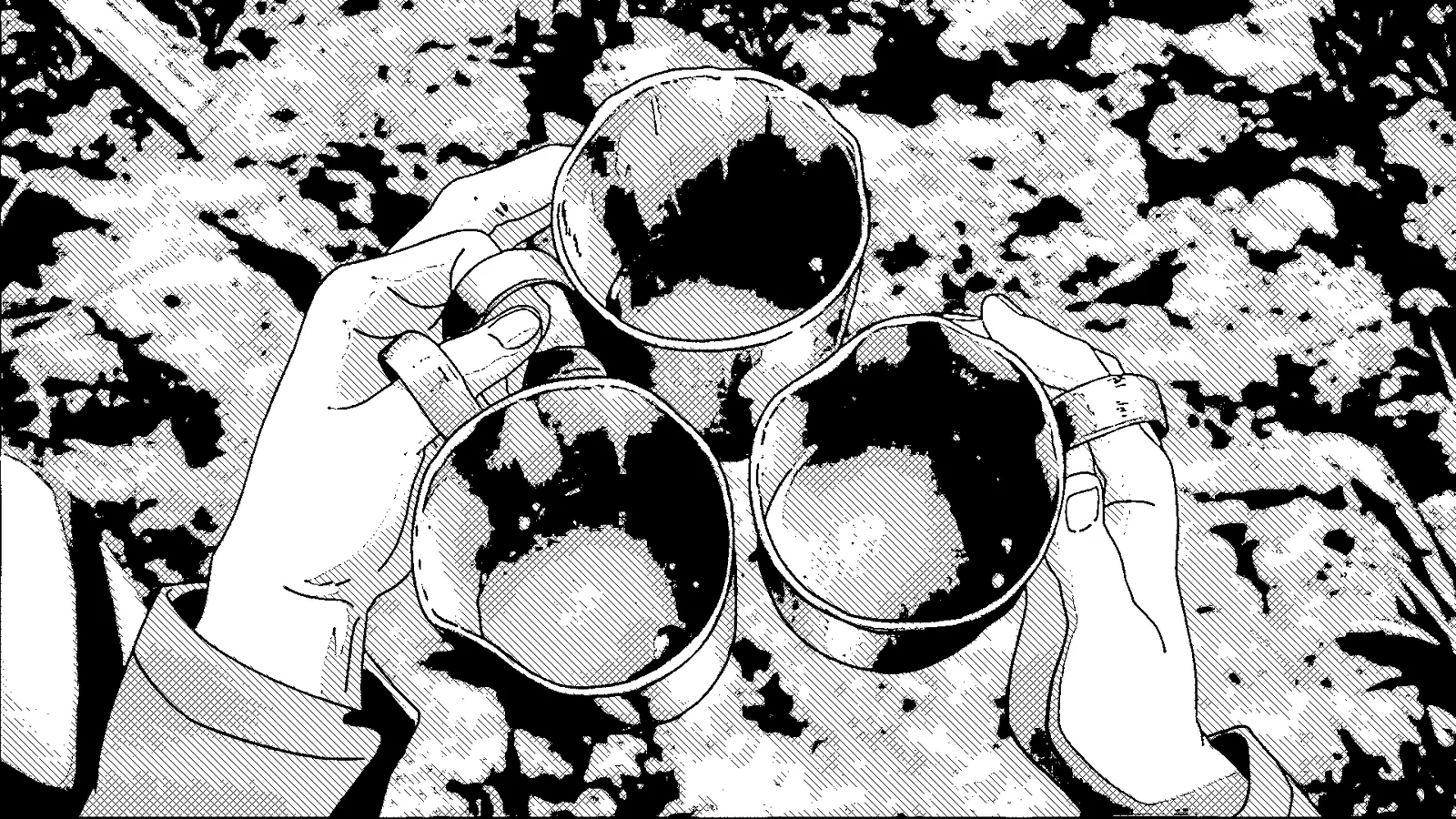
There was a metal cup that was still warm.

This meant that, at least five minutes earlier, the enemy had noticed the Survey Corps' approach and hidden in a place where they had enough time to prepare.
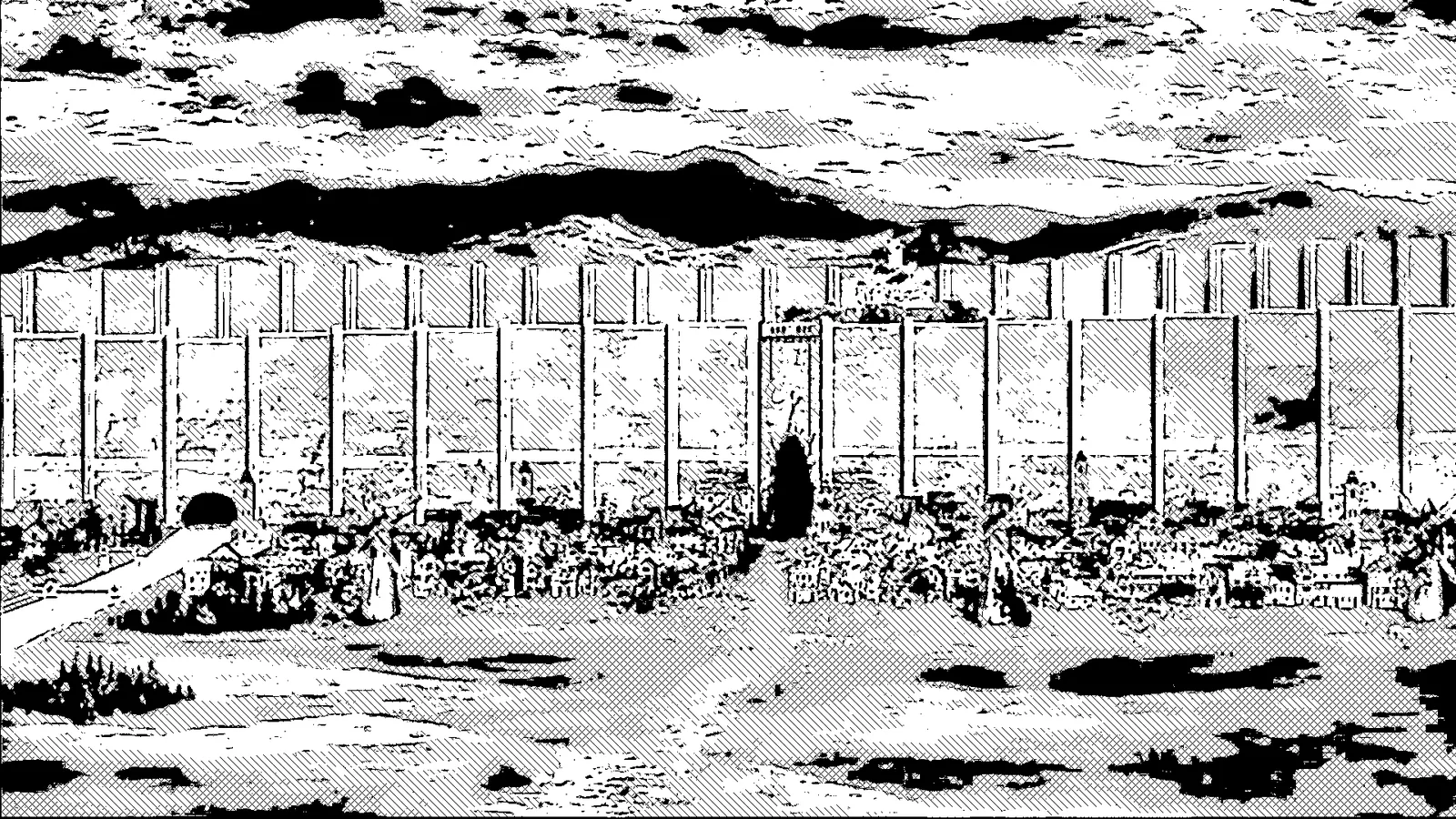
If Armin failed to solve this riddle, they would have to fight a prolonged battle in enemy territory, putting them at a disadvantage.

Why did Erwin give Armin a chance despite the importance of this mission?

It was because Armin was a new branch, not bound solely to the thick branch of common sense.

Compared to the Survey Corps, the enemy had a wealth of information.

Not only did the enemy know a great deal about the Titans, but they had also arrived at the battlefield ahead of time, giving them plenty of time to prepare.
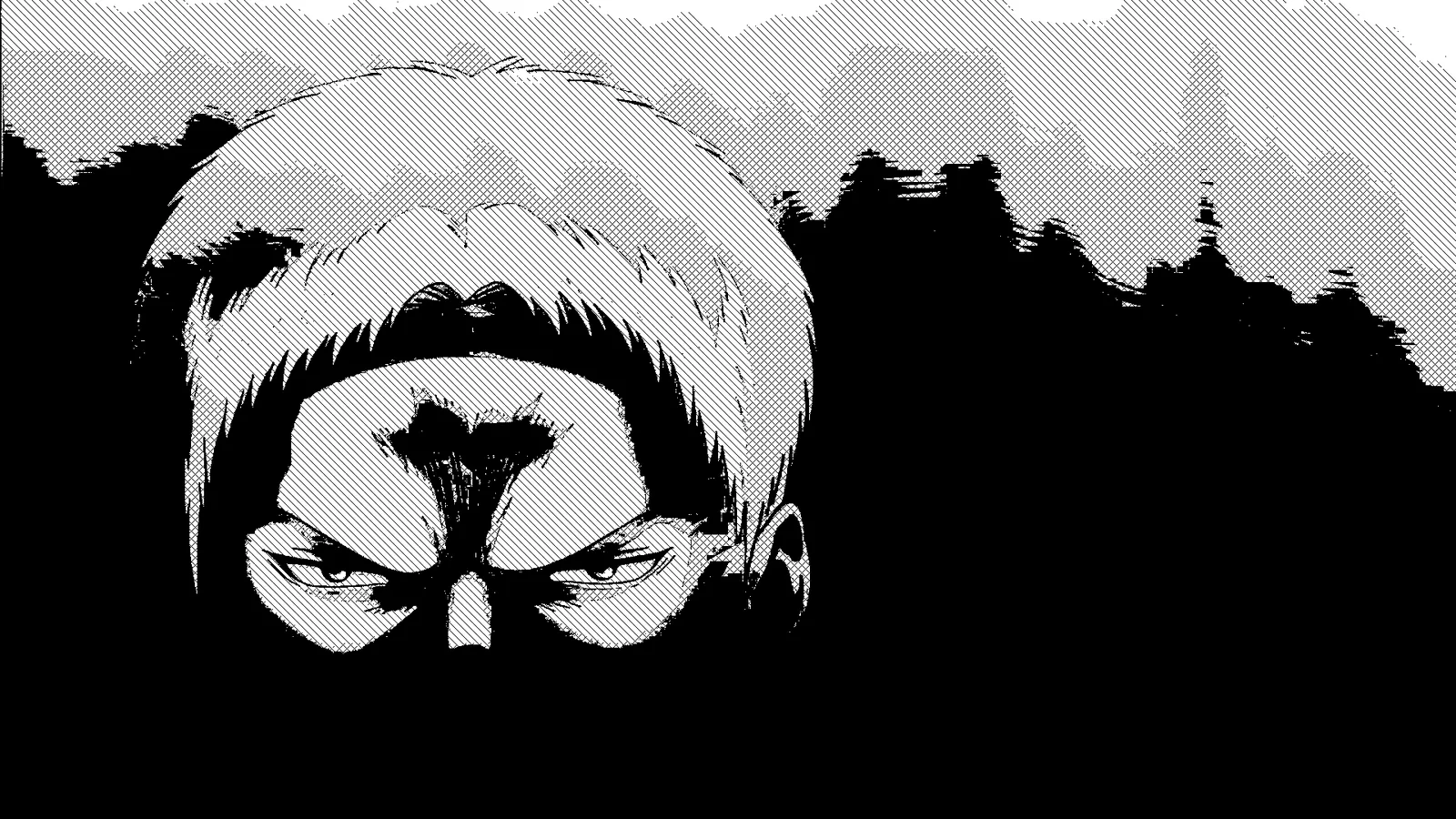
From the enemy's perspective, it was only natural to take advantage of having more information.

The enemy would also expect their less-informed opponents to rely on the thick branch of common sense.

At first, things really did go according to the enemy's expectations.

When the Survey Corps failed to find the enemy near the wall, Armin began investigating the houses near the wall.

However, no matter how hard he searched, there was no enemy on the wall or in the houses near it.

Armin thought it was the end, but by combining old and new ideas, he came up with a new solution.

The thick branch Armin first thought of was the common sense that "there is no space inside the wall."

Because the walls had been formed entirely through Titan hardening, they could not be damaged by ordinary weapons.

However, in a previous battle, it was accidentally revealed that the Female Titan had punched a hole in the wall using hardening, revealing that a living Titan was hidden inside the wall.
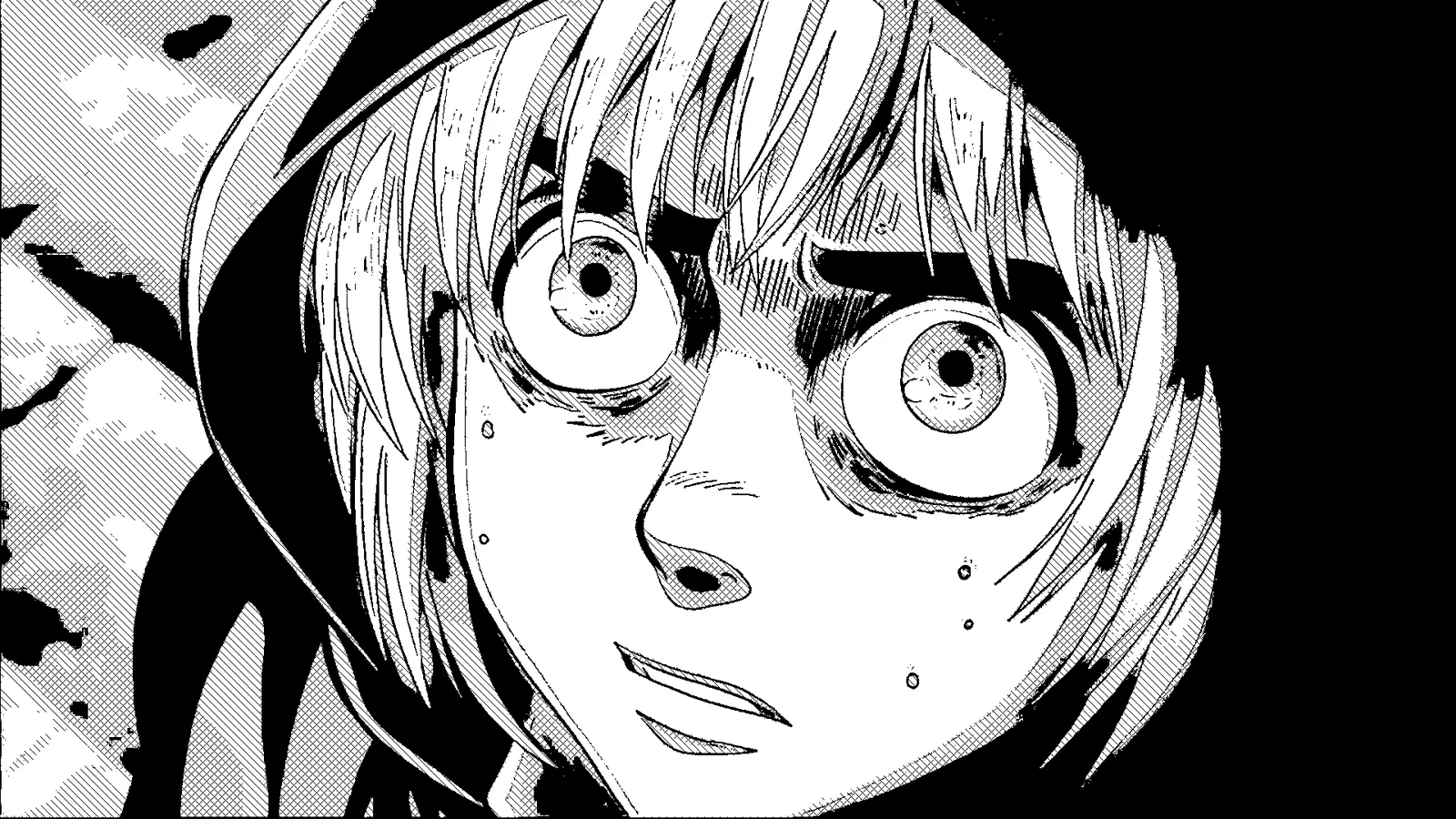
This incident gave Armin's old branch of thought the opportunity to sprout a new branch.

"What if the enemy doesn't know that we saw the Titan hidden inside the wall?" Naturally, the enemy would try to use this fact. Because people tend to rely only on the thick branch of common sense.

To sprout a new branch from this thick branch, Armin kept asking himself questions.
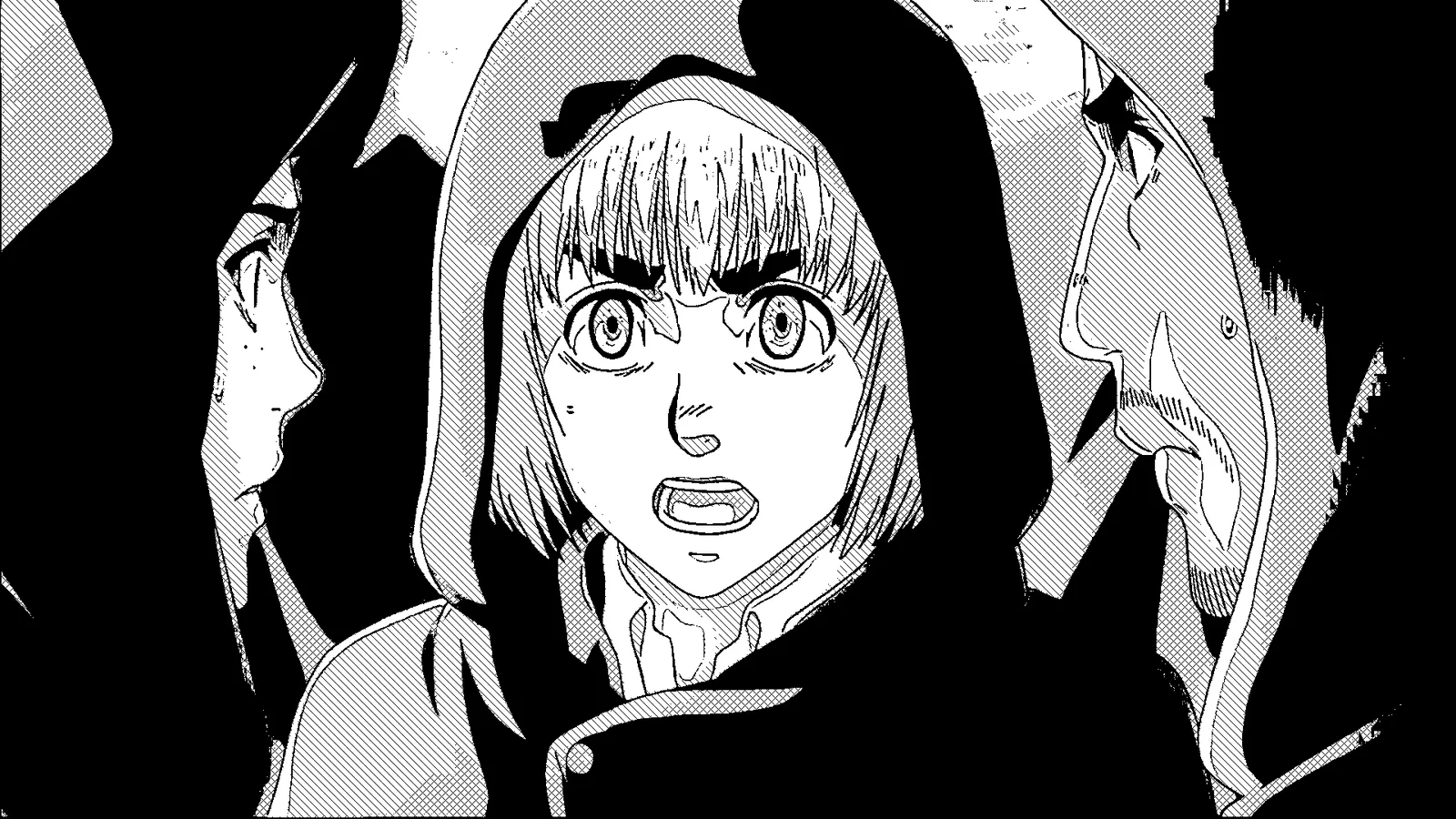
"What if the enemy uses this fact?" "What if there is a blind spot where they can monitor the situation and respond at any time?" The answer Armin arrived at by combining old and new ideas was "inside the wall."

However, the Survey Corps members, bound by common sense, did not believe Armin, a rookie.

Fortunately, Erwin supported Armin's idea.

Just as Armin combined old and new ideas, Erwin restructured the chain of command within the military organization, saying, "Sometimes be strict, sometimes be flexible."

Thanks to this, Armin's idea was put into action, his prediction proved correct, and the Survey Corps was able to rush toward their next objective.
Let's Give New Ideas a Chance
The Survey Corps was able to solve a new problem because they gave new ideas a chance as well.
3. Structure
The Complexity of Branches

The third way to manage the branches of thought is to manage their structure.

When complexity is low, a chain is sufficient, but when complexity is high, information needs to be organized into parallel bundles.

A chain means linking information in a line, while a parallel bundle means linking information into groups.

Herbert Simon, a leading pioneer in cognitive science, also emphasized this point.

He believed that complexity can achieve stability through the way bundled elements combine with one another.

He compared this principle to two watchmakers, Hora and Tempus.
Single Structure vs. Parallel Bundle Organization

Hora and Tempus each had to assemble a watch made of 1,000 parts.

The two had different methods for assembling their watches.

← Swipe →
Tempus assembled his watch by connecting the parts one by one. If he suddenly had to let go because of a phone call, the partially assembled watch would fall apart, forcing him to start all over again.

On the other hand, Hora grouped the parts into sets of 10 and assembled them step by step.

← Swipe →
He then combined these groups of parts into larger bundles of 10, and finally brought together the last 10 bundles to assemble the complete watch.

Thanks to this, even if Hora's work was suddenly interrupted by a phone call, he lost far less of his work.
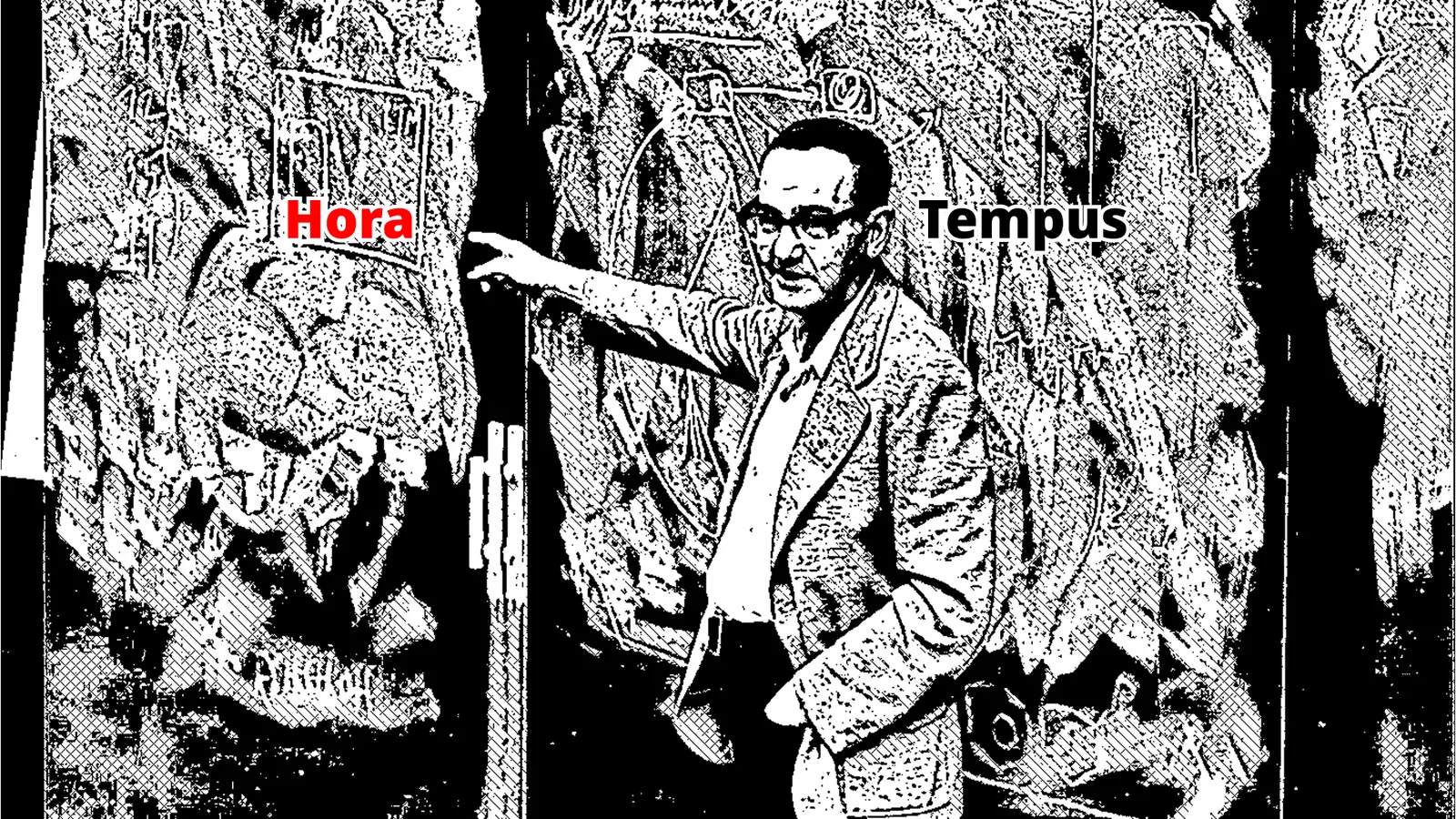
Herbert Simon argued that the way the mind works follows the wisdom of Hora's approach.
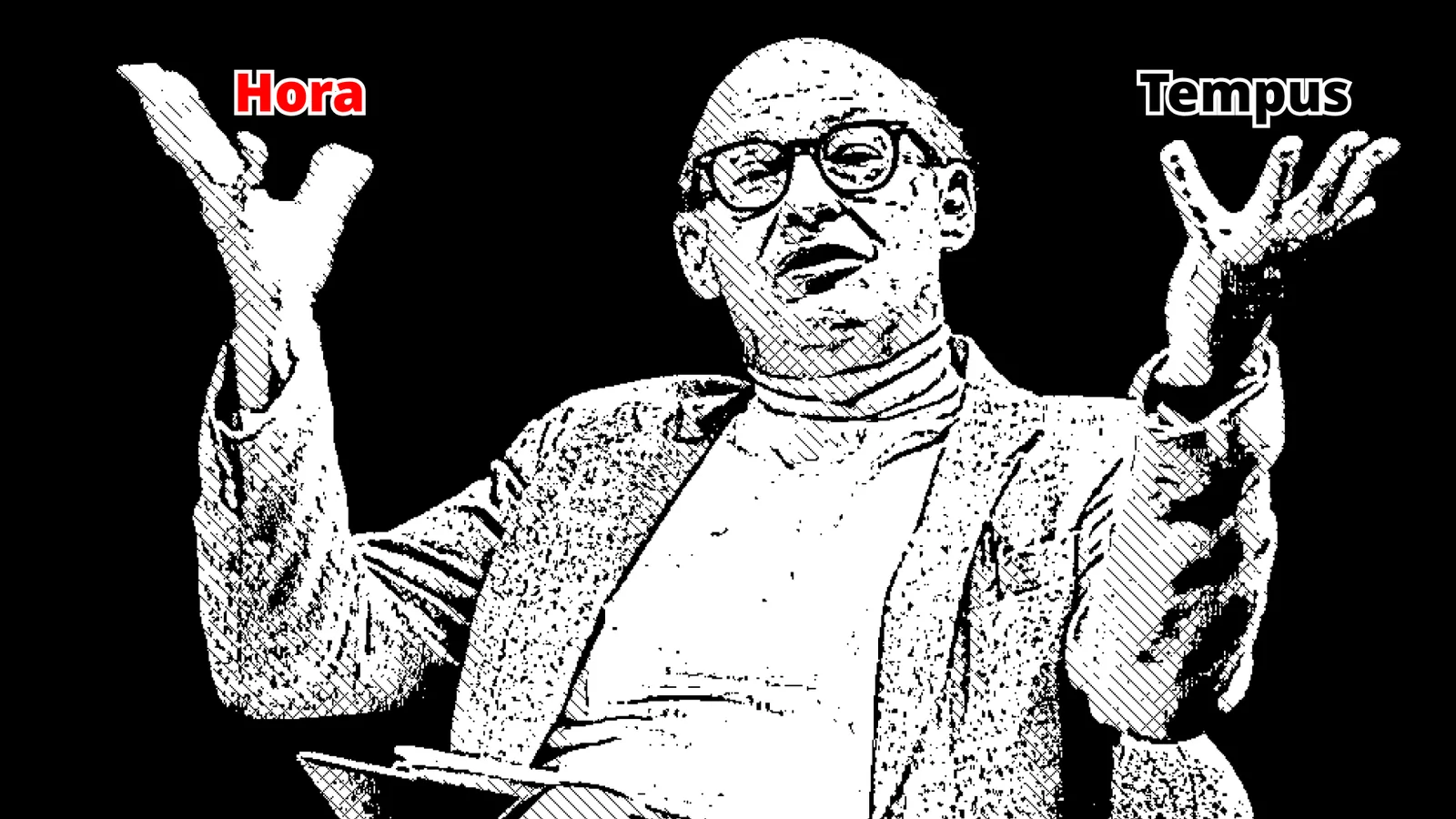
Marvin Minsky, who compared the mind to a Society of Mind, shared a similar view.
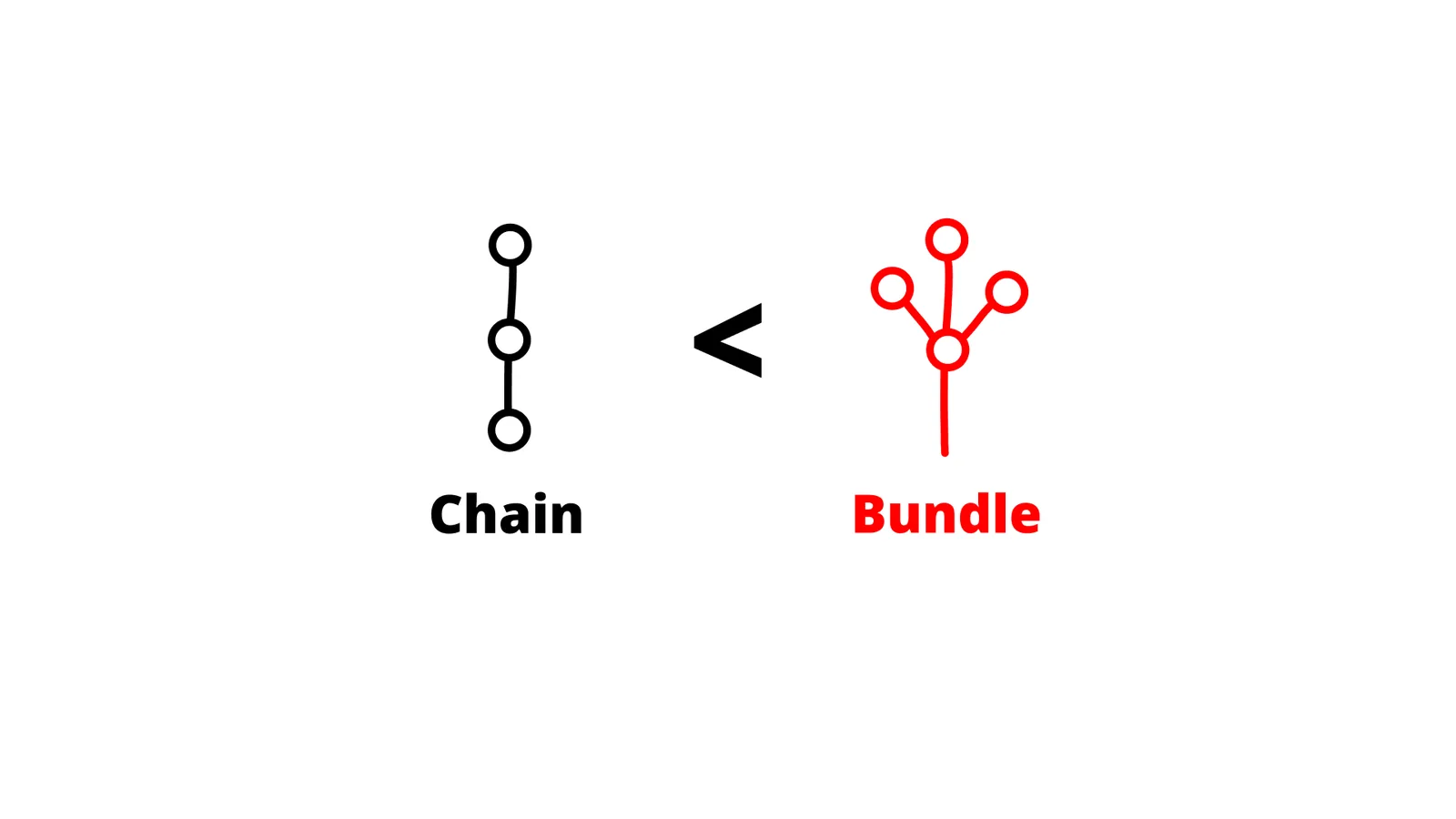
Minsky believed that in reality, unlike games where conditions can be fixed, interruptions and variables constantly arise, so organizing thoughts into parallel bundles is much more useful than organizing them into a single structure.

For example, Tempus represents a structure that solves a problem by chaining all 1,000 small thought agents onto a single branch of thought. It is a structure in which the entire organization of thought can collapse if even one small thought is disrupted by a sudden phone call.

On the other hand, Hora grouped 10 small thoughts on a single branch of thought to create a "small bundle."

Ten of these small bundles formed one "intermediate bundle," and ten intermediate bundles formed a "whole bundle" consisting of 1,000 parts.

← Swipe →
Therefore, even if a phone call causes one thought agent to fail, only one part of the branch is affected.
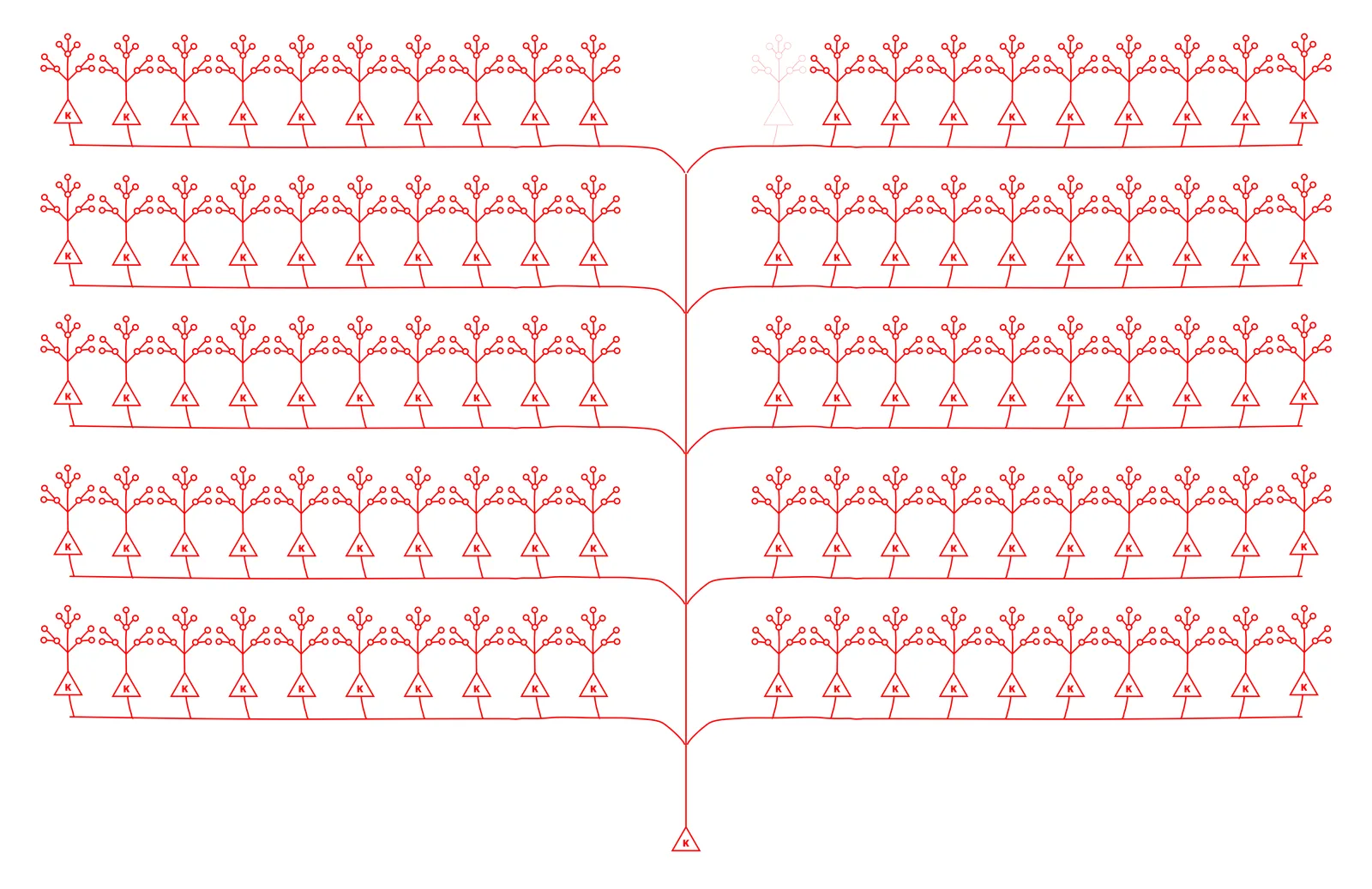
The entire structure does not collapse.

As an example of planning that uses this kind of structure, let's look at King Fritz and Erwin from Attack on Titan.

If King Fritz is Tempus, Erwin is Hora.
King Fritz and Erwin

In Attack on Titan, King Fritz and Erwin devise completely opposite plans using the same information system.

The information system they used was Eldia, a nation whose people could become Titans. Thinking of people as information may seem unfamiliar.
However, cognitive psychologist Daniel Levitin has described organizations as systems that organize and process vast amounts of information, with individuals within them contributing specialized knowledge and expertise.

Then, why do organizations create information systems?

It is to reach a desired future that is difficult to achieve alone.

King Fritz desired a future in which the Eldians, the powerful Titan-creating people, would eventually become extinct.

On the other hand, Erwin overturned King Fritz's plan and moved toward a future in which the Eldians would not become extinct.

There was a difference in the power the two possessed.

King Fritz had the powerful ability of the Founding Titan, which could manipulate the memories of the Eldian people, but Erwin did not.

Shall we compare this difference to our earlier example of assembling a watch with 1,000 parts?

← Swipe →
King Fritz had god-like power that allowed him to connect 900 parts at once, whereas Erwin, as an ordinary human, had to connect the parts one by one.

However, King Fritz's plan failed, while Erwin's plan succeeded.

King Fritz designed his plan as a single structure, whereas Erwin designed his plan as a parallel bundle.

← Swipe →
King Fritz used a method of individually oiling and connecting the remaining 100 parts that his power could not control, or removing them if they were unnecessary.
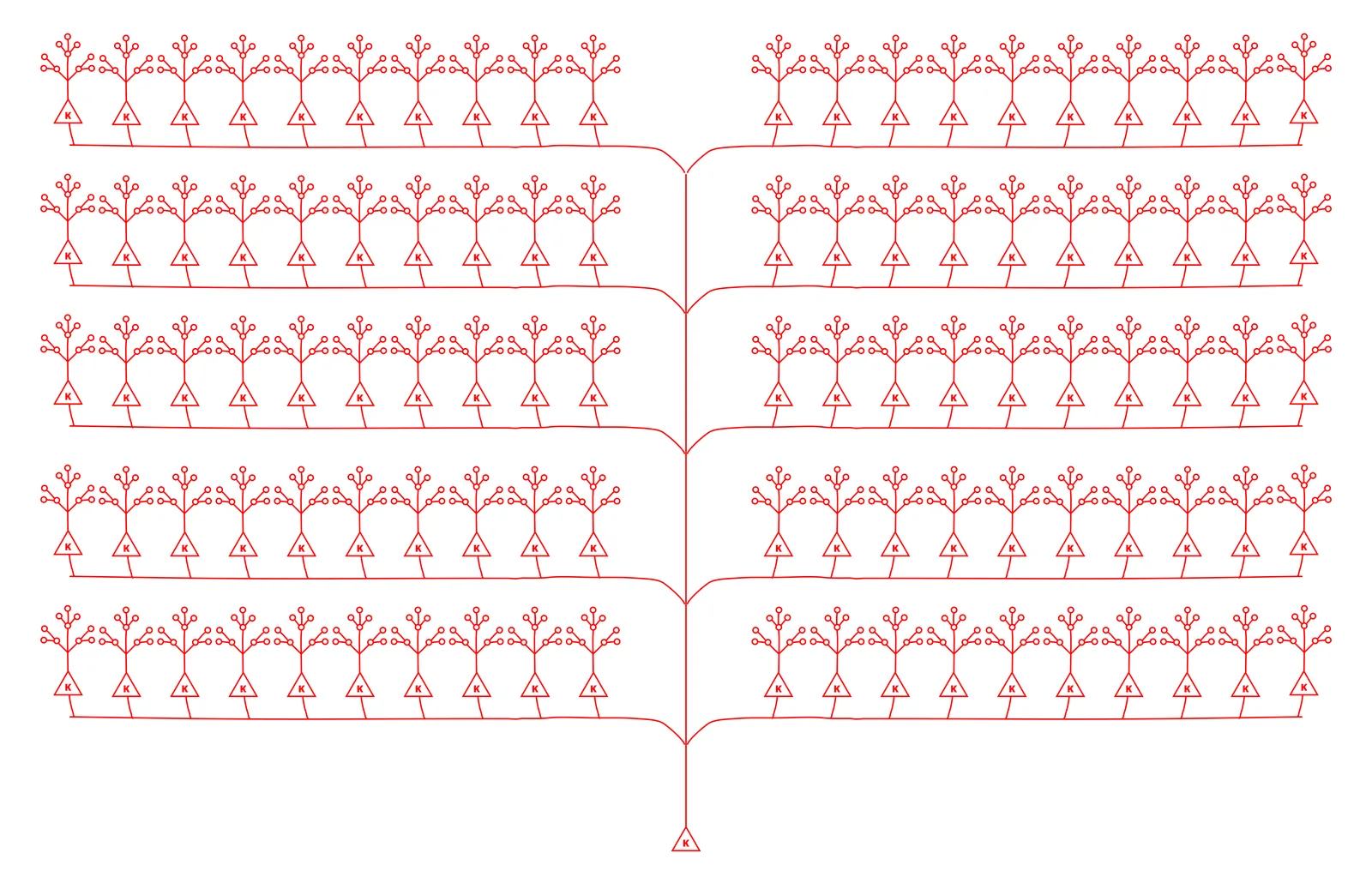
On the other hand, Erwin used a method of dividing the 1,000 parts into multiple bundles and assembling them.

This difference determined success or failure.

Strictly speaking, King Fritz did not design a single structure, but rather a single structure disguised as a parallel structure.

At first glance, it looked like a parallel structure composed of the royal government and the three military branches protecting the nation, but this structure was merely a facade designed to hide the truth.

The organizations actually required for King Fritz's plan to succeed were the true royal government that carried on his will, the puppet royal government that the true royal government had maintained through wealth and privilege, and the Central Military Police Brigade, which secretly eliminated unnecessary parts under the royal government's orders.

Because a single-structure plan fails when even one part breaks, King Fritz had to maintain strict secrecy.

On the other hand, Erwin identified and broke down the weaknesses of King Fritz's single-structure plan, then helped reorganize Eldia into a more functional parallel structure.

Through the coup, Erwin helped remove the puppet royal government, allowing the parallel structure that had been little more than a facade to actually function.

He helped shift a power structure in which authority had been concentrated in the royal family into one in which the three military branches could share responsibility and power.
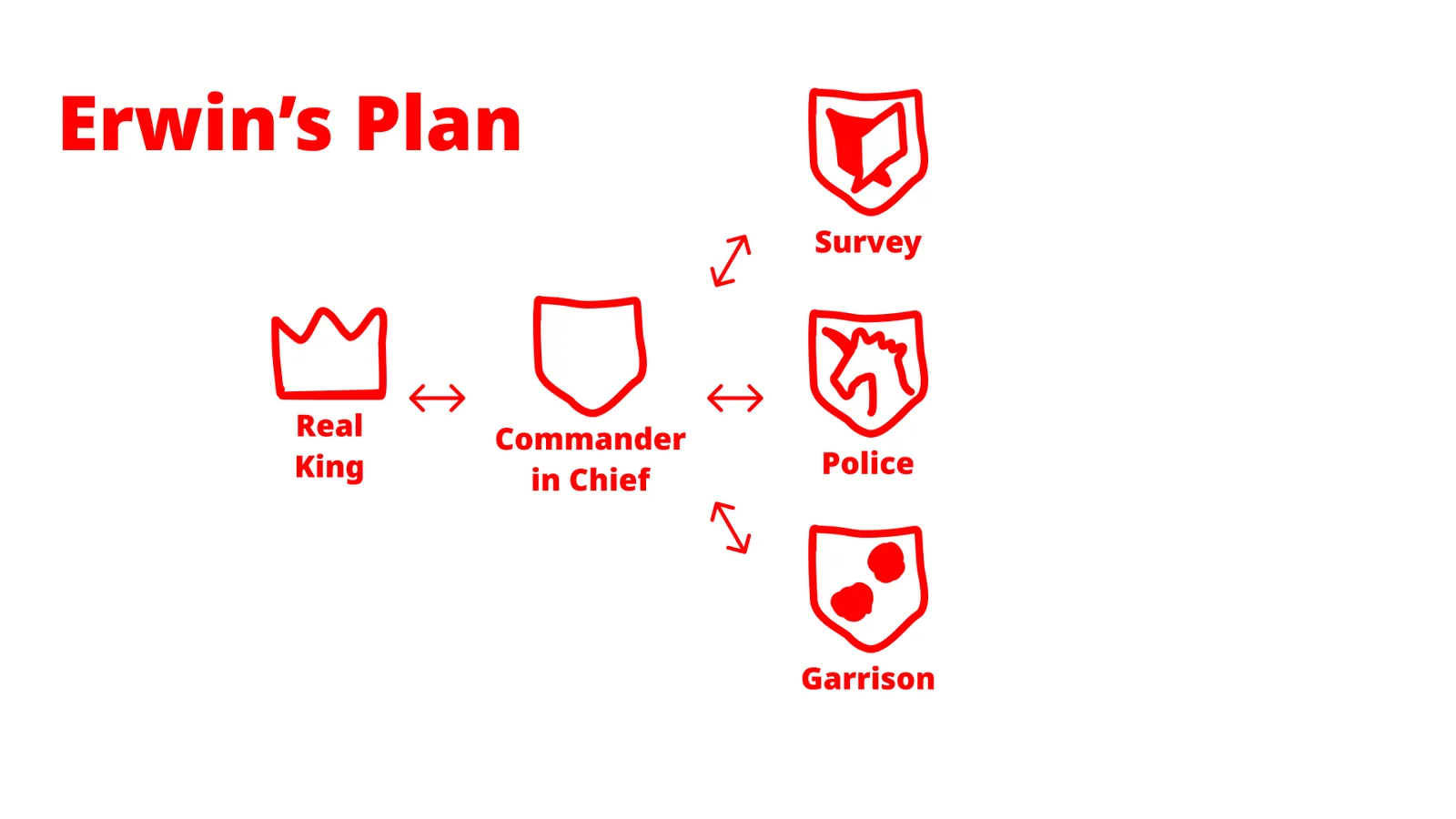
As Eldia became a more functional parallel structure, the Survey Corps was able to communicate with the Military Police, the Garrison, and the royal government to solve problems.
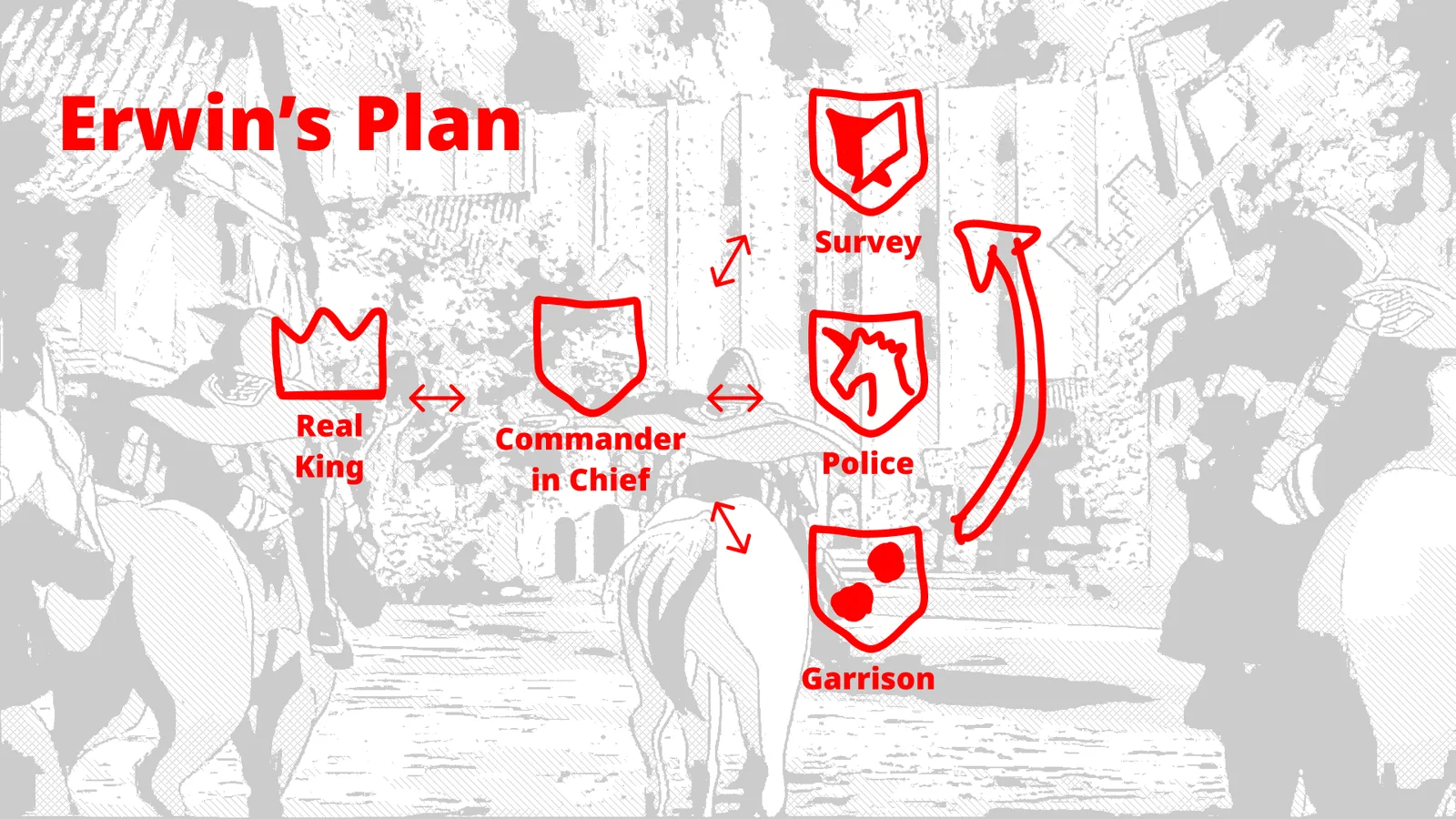
Because the Garrison defended the walls, the Survey Corps could venture beyond the walls to fight the Titans threatening the survival of the Eldian people.

They could also receive support from the Central Military Police's secret gunpowder technology, which enabled them to use a powerful weapon known as the Thunder Spear.

The Eldian system envisioned by King Fritz felt like one in which the Survey Corps had to struggle largely on its own to prevent extinction.

However, in the new organization reshaped through Erwin's actions, the Military Police, the Garrison, and the royal government could communicate with one another and create new solutions.
Let's manage the forest, not just a single tree

As such, when a situation becomes complex, we must evolve our plans from a single structure to a parallel structure.
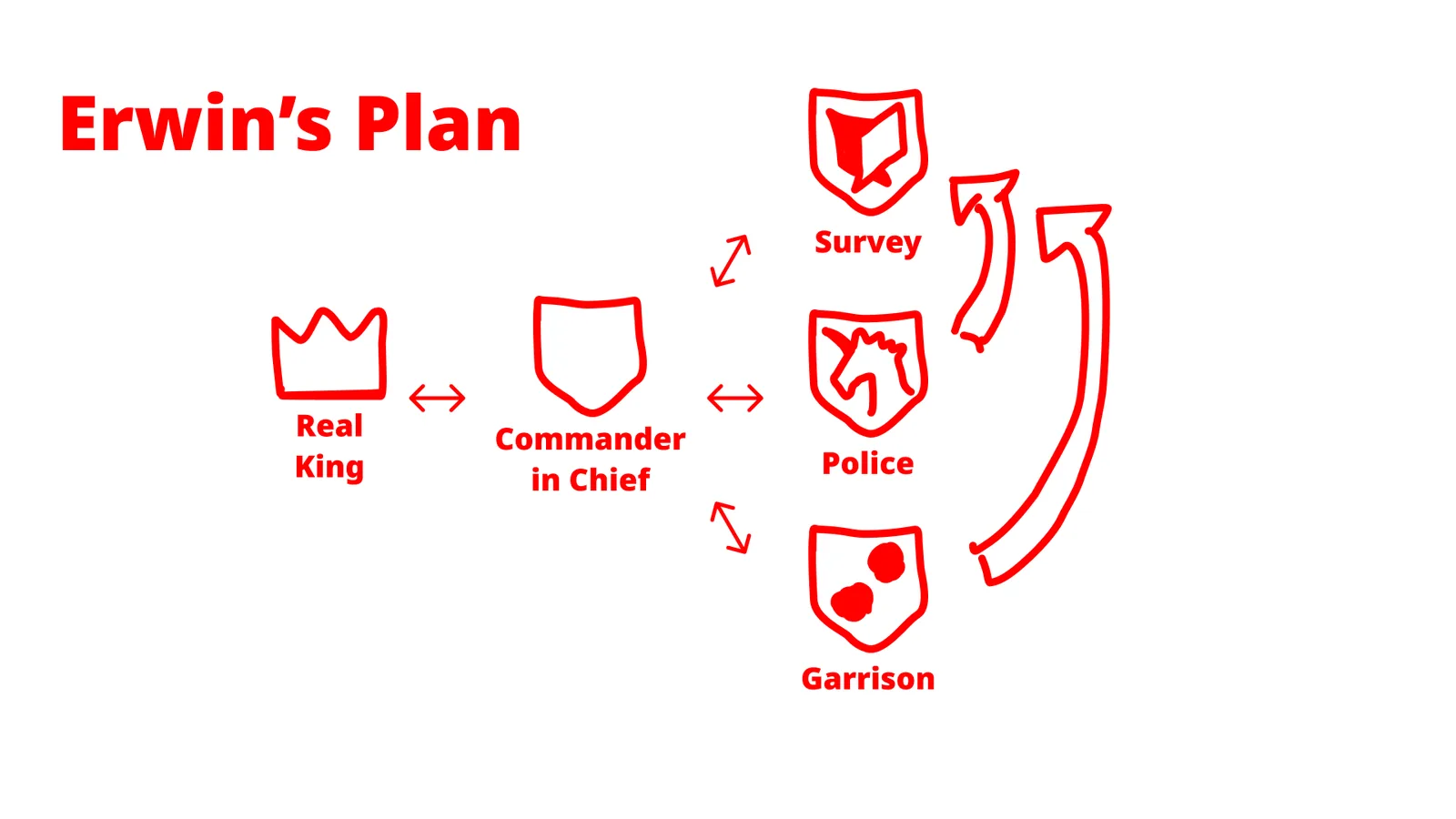
This is because if one path is blocked, we can receive support through other paths and come up with a new solution.
To be Continued
In this video, we looked at how to manage the organization of thought.

In the next video, let's explore how to quickly gather information during wartime, using Commander Erwin as an example.